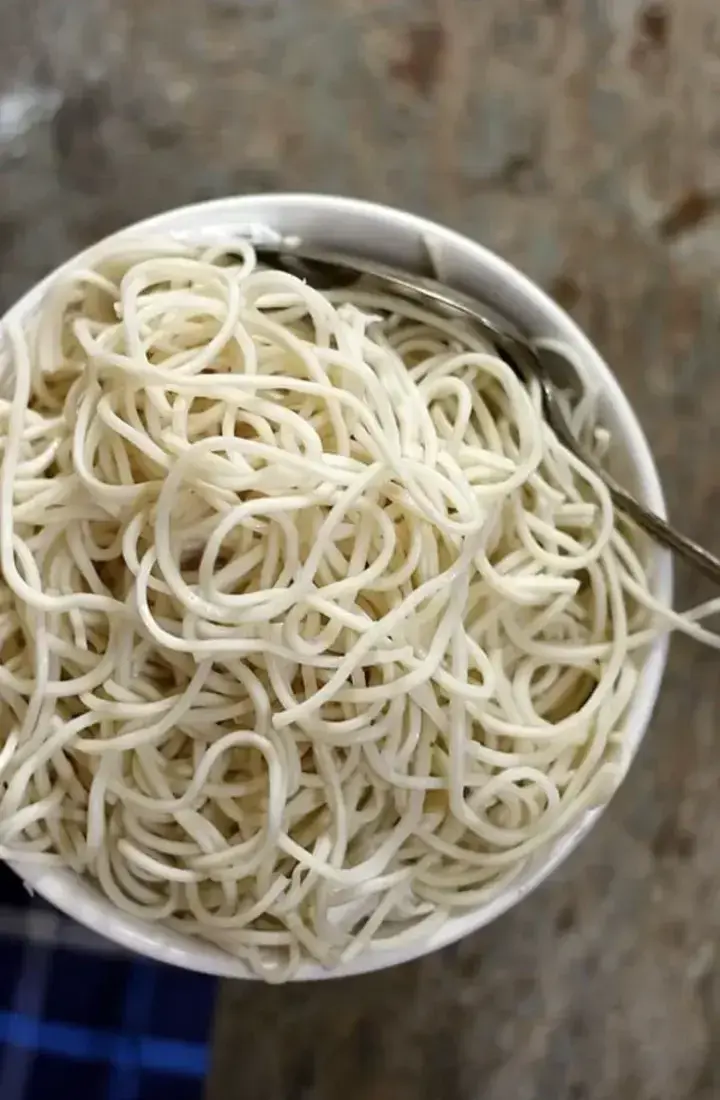
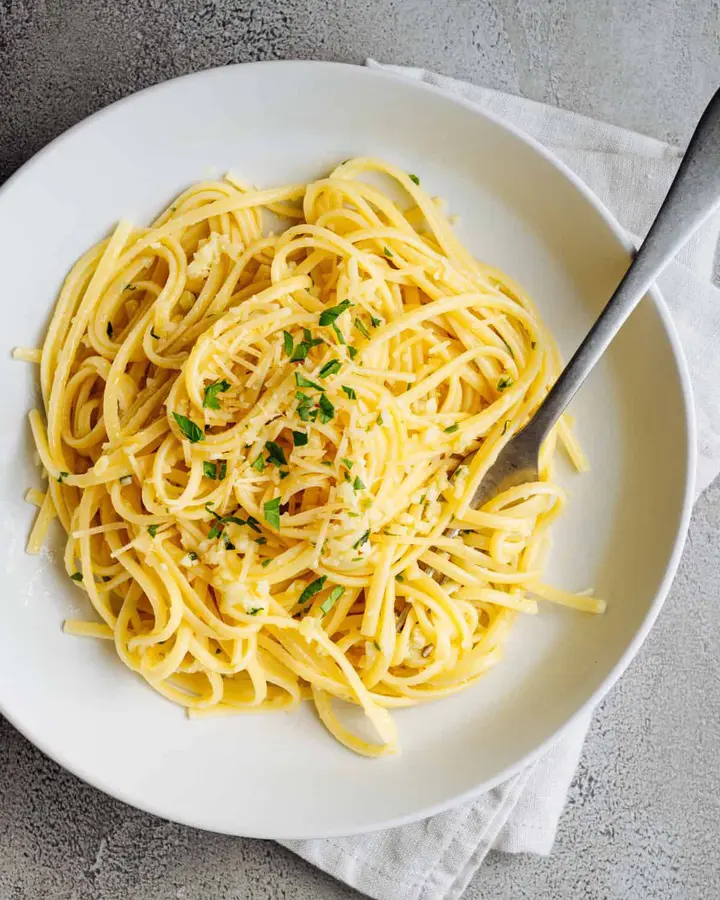
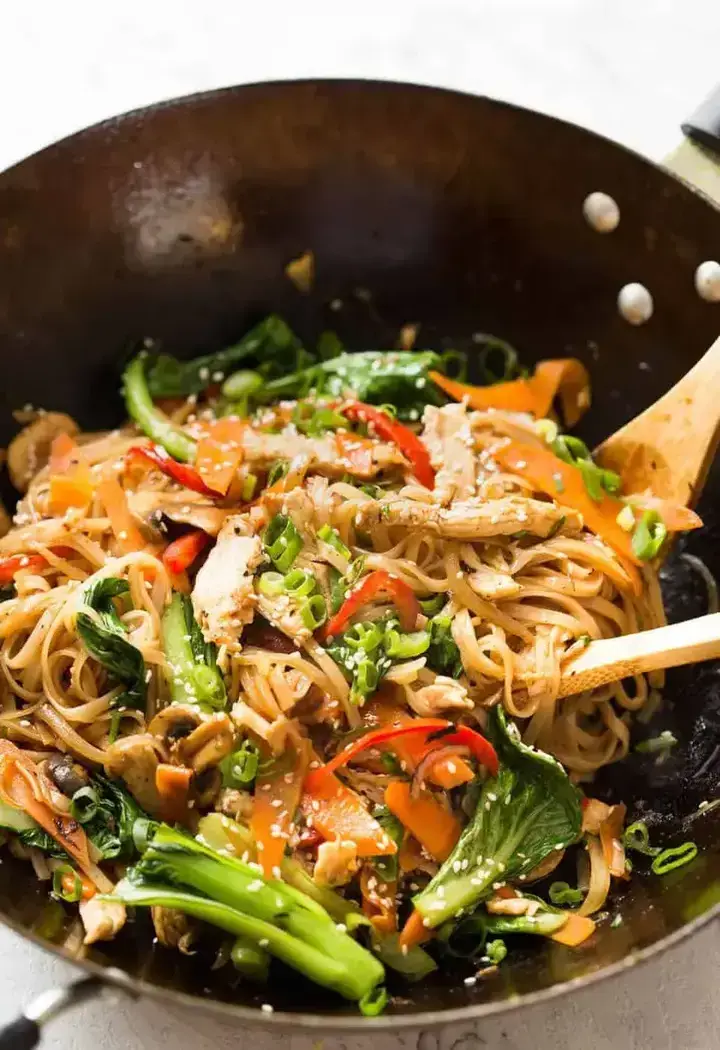
Noodles are one of the most popular dishes around the world. Their popularity has been at its peak since their invention thousands of years back. Noodles are prepared from unleavened dough either rolled flat and cut, stretched, or extruded, into long strips or strings.
This food can be cooked and incorporated with many other dishes and has been a popular choice among all age groups. You can enjoy this delightful dish anytime on any occasion. Among many methods of consuming noodles, boiling is the one that can be used in any form of noodles. Here is step-by-step guidance to boil noodles:
Why Boil Noodles
Boiling noodles is essential because it hydrates and softens the dried or uncooked noodles, making them palatable and digestible. The hot water penetrates the noodles, causing them to expand and cook evenly.
Likewise, boiling also helps remove excess starch, which can make the noodles sticky, ensuring they have the right texture for your dish. Additionally, boiling noodles is a quick and efficient cooking method that preserves the noodles' nutritional value and prepares them to be combined with sauces, vegetables, or proteins for a complete meal.
The right way to boil is absolutely important as anyone who does this without knowledge can overcook or undercook spoiling both taste and nutrition.
Ingredients and Equipments
With the availability of the right ingredients and equipment, you can enjoy the boiling process of your favorite noodles.
Ingredients Required
1. Noodles
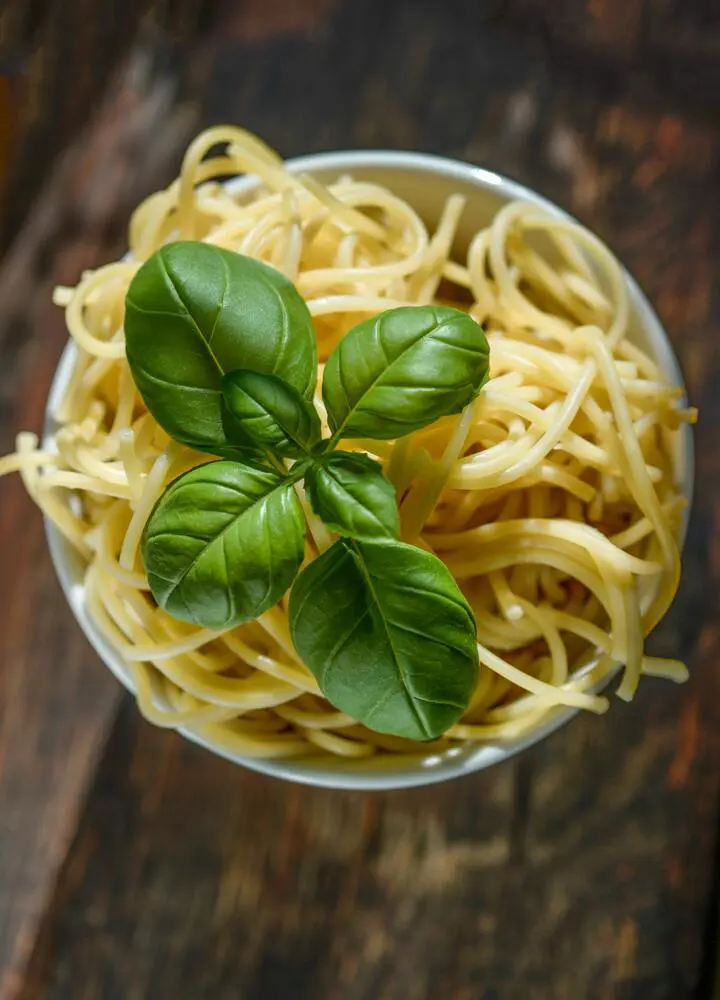
These can be any type of pasta (e.g., spaghetti, penne, macaroni) or Asian noodles. They are the star ingredient and come in various shapes and sizes to suit different recipes.
2. Water
Used to boil the noodles, typically 4-6 quarts per pound of noodles. Water is essential for hydrating and cooking the noodles.
3. Salt (optional)
About 1-2 tablespoons of salt are added to the boiling water. Salt enhances the flavor of the noodles and can help them cook more evenly by raising the boiling point of the water. You can skip this ingredient if you are not comfortable with it.
4. Oil (optional)
A teaspoon of olive oil can be added to the boiling water to prevent the noodles from sticking together, although proper stirring usually eliminates the need for oil. This is a beneficial ingredient though you can skip it as per your desire.
Equipment
Large Pot: A deep and wide pot is necessary to accommodate the volume of water and noodles, allowing them to cook evenly and move freely without clumping together.
Lid (optional): A lid helps bring the water to a boil more quickly by trapping heat inside the pot.
Stirring Spoon: A long-handled spoon or spatula is used to stir the noodles occasionally, preventing them from sticking to each other or the pot and ensuring even cooking.
Colander or Strainer: This is used to drain the noodles after boiling, efficiently removing the hot water and stopping the cooking process.
How To Boil Noodles Perfectly
To boil noodles perfectly, you need to gather ingredients in the right proportion along with the needed equipment.
Noodles (e.g., spaghetti, penne, macaroni)
Water (4-6 quarts per pound of noodles)
Salt (optional, 1-2 tablespoons)
Oil (optional, 1 teaspoon)
Large pot
Lid (optional)
Stirring spoon
Colander or strainer
Instructions
Just follow the below step-by-step guidance to boil the noodles, you will get the perfect result:
1. Fill the Pot with Water
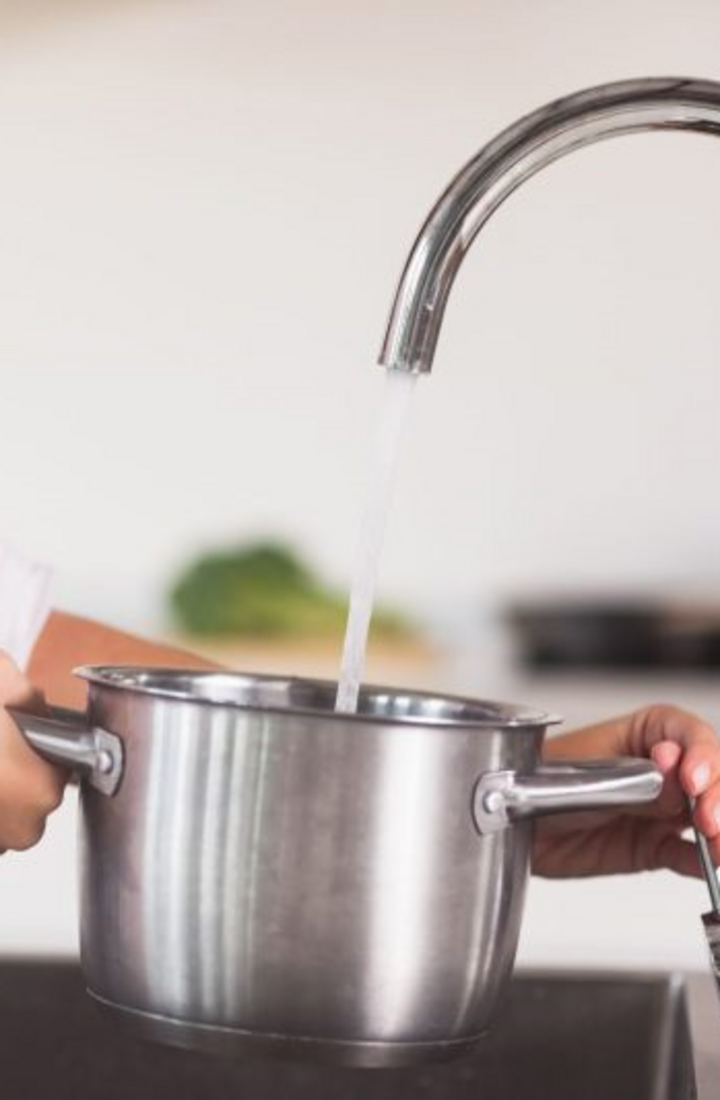
First of all, you need to fill the large pot with water, using 4-6 quarts of water per pound of noodles. This makes sure there is enough water for the noodles to move freely and cook evenly.
Add 1-2 tablespoons of salt to the water. This is done to upgrade the flavor of the noodles and help them cook more evenly by raising the boiling point of the water.
3. Bring the Water to a Boil
Now, place the pot on the stove and cover it with a lid to help the water boil faster.
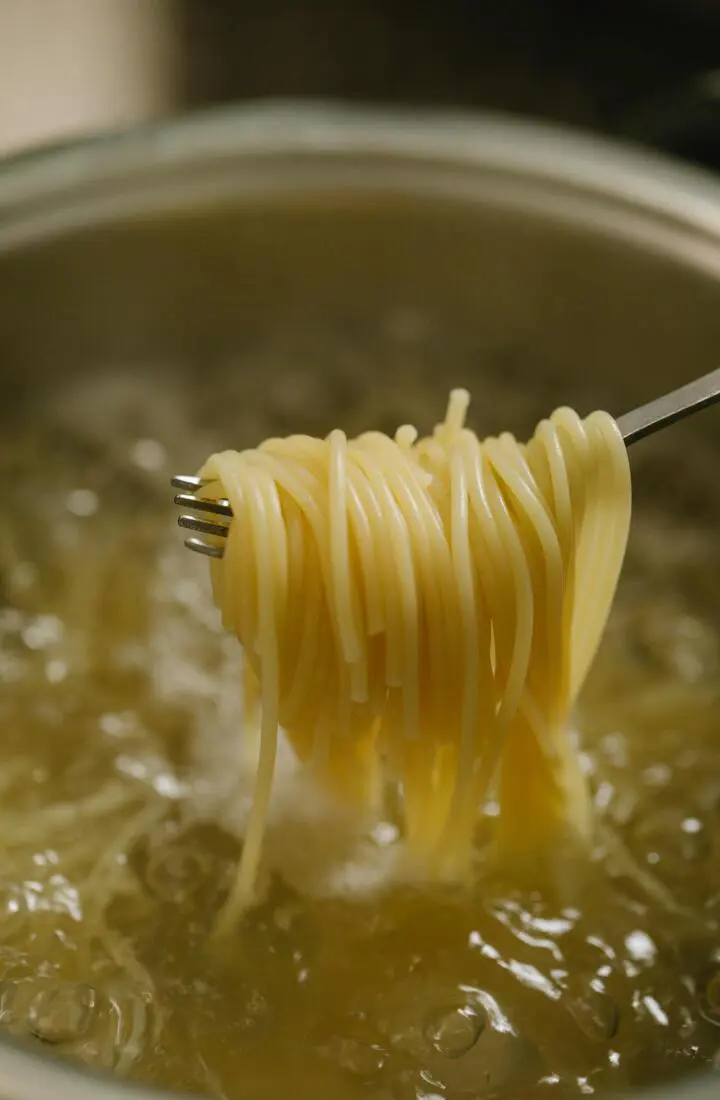
Kindly, turn the heat to high and wait for the water to come to a rolling boil. You’ll know it’s ready when you see large bubbles constantly breaking the surface.
4. Add the Noodles
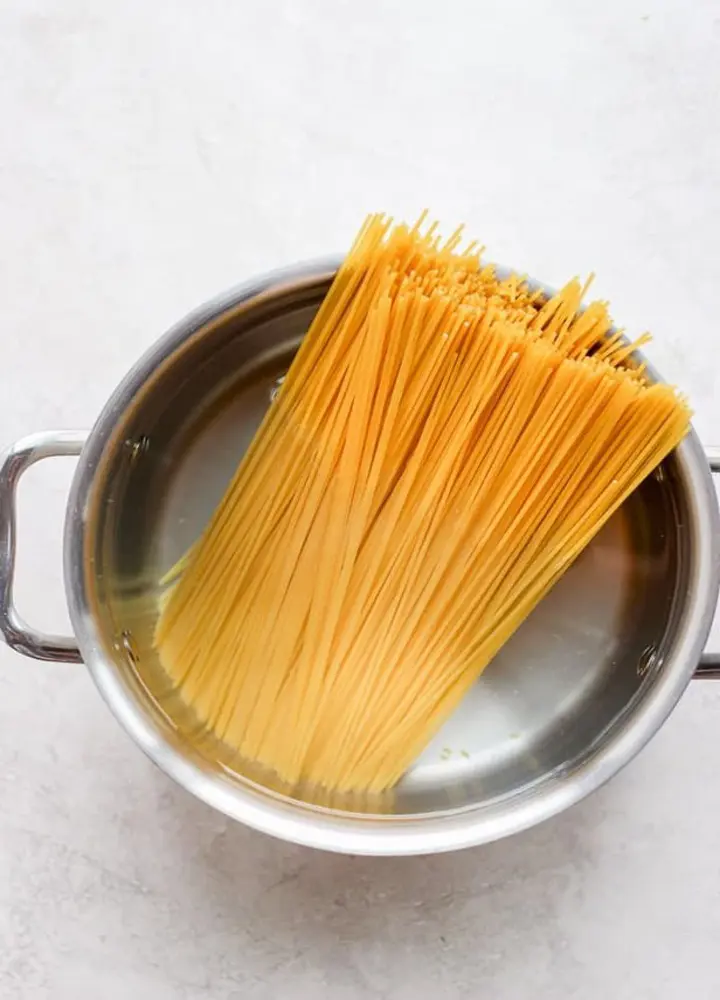
Once the water is boiling, remove the lid and add the noodles to the pot.
Stir the noodles immediately with a long-handled spoon to prevent them from sticking together or to the bottom of the pot.
Then, follow the cooking time indicated on the package instructions for the noodles. Most noodles take 8-12 minutes to cook to an al dente texture, meaning they are firm to the bite.
Stir the noodles occasionally during cooking to keep them from clumping together.
6. Check for Doneness
About a minute before the suggested cooking time is up, taste a noodle to check for doneness. The noodles should be al dente-cooked but still firm when bitten.
If the noodles are not done, continue cooking and check every minute until they reach the desired texture.
7. Drain the Noodles
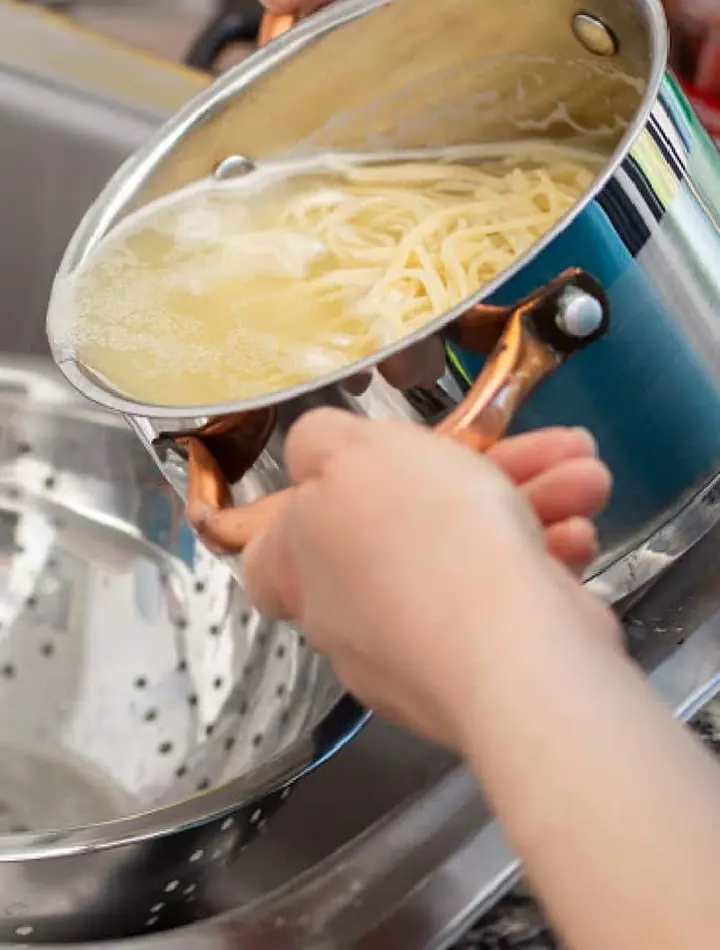
When the noodles are done, just turn off the heat. Then, place a colander or strainer in the sink.
Carefully pour the noodles and water into the colander to drain the water. Also, you need to be cautious of the hot steam.
If you want to prevent the noodles from sticking, you can toss them with a teaspoon of olive oil after draining.
9. Serve or Use in Recipe:
The noodles are now ready to be served with your favorite sauce or added to a recipe. If not serving immediately, you can keep them warm by covering them or placing them back in the pot with a lid.
By following these detailed instructions, you can ensure that your noodles are perfectly cooked every time, ready to be enjoyed in your favorite dishes.
How Long To Boil
The right boiling time is absolutely needed for the best result to ensure that there is no uneven cook. Interestingly, the boiling time for noodles normally depends on the type and thickness of the noodles. Here is a general guide for common types of noodles, check out:
Spaghetti: 8-12 minutes
Penne: 10-12 minutes
Macaroni: 8-10 minutes
Fettuccine: 10-12 minutes
Lasagna Noodles: 10-12 minutes
Angel Hair (Capellini): 4-6 minutes
Rice Noodles: 5-7 minutes (soaked in warm water first)
Ramen Noodles: 3-5 minutes
Udon Noodles: 8-10 minutes
Soba Noodles: 4-6 minutes
Tips
Boiling noodles can be a task of joy if you have proper knowledge of the boiling methods, ingredients, and tools required. Here are some tips for boiling noodles, have a look:
1. Choose the Right Noodles
Different types of noodles require different cooking times and methods. So, it is better to choose noodles that complement your dish and follow their specific cooking recommendations for optimal results.
2. Salt the Water Adequately
As aalt upgrades the flavor of the noodles and the dish as a whole, you need to use enough salt in the boiling water to season the noodles well.
3. Avoid Overcooking
Noodles should be cooked al dente, meaning they should be tender but still have a slight firmness or bite to them. Overcooked noodles become mushy and lose their texture. So keep that in mind.
4. Use Fresh Water
Always start with fresh water when boiling noodles. Reusing water from a previous batch can affect the taste and texture of the noodles.
5. Don't Overcrowd the Pot
Cook noodles in batches if necessary to prevent them from sticking together and ensure even cooking.
6. Taste Test
Taste the noodles a minute or two before the recommended cooking time to avoid overcooking. They should be firm but not crunchy.
7. Rinse (if needed)
Rinse noodles under cold water only if you're making a cold dish like pasta salad or if you want to stop the cooking process quickly. For hot dishes, avoid rinsing as it removes the starch that helps sauces adhere to the noodles.
By following these tips, you'll be able to consistently achieve perfectly cooked noodles that enhance any dish.
When boiling noodles, there are a few common pitfalls to avoid to ensure they turn out perfectly, have a look:
Using Too Little Water: Insufficient water can cause the noodles to stick together and cook unevenly. Always use plenty of water to submerge the noodles completely.
Skipping Salt: Salt enhances the flavor of the noodles. It's important to salt the water adequately (generally about 1-2 tablespoons per gallon of water) before adding the noodles.
Overcooking: Noodles should be cooked al dente, which means they should be tender but still have a slight firmness when bitten into. Overcooking will result in mushy noodles.
Not Stirring Enough: Stir the noodles occasionally, especially right after adding them to the boiling water. This prevents them from clumping together and sticking to the pot or to each other.
Adding Oil to the Water: Some people add oil to the boiling water to prevent noodles from sticking, but this can actually prevent sauces from adhering to the noodles later. Stirring the noodles and using enough water usually prevents sticking without needing oil.
Rinsing Hot Noodles: Unless you're making a cold dish like pasta salad, avoid rinsing hot noodles under cold water. This removes the starch that helps sauces adhere to the noodles, affecting the overall taste and texture of your dish.
Overcrowding the Pot: Cook noodles in a pot that's large enough to accommodate them without overcrowding. This ensures they cook evenly and have enough space to move freely in the boiling water.
Not Testing for Doneness: Always taste-test the noodles a minute or two before the recommended cooking time stated on the package. Different brands and types of noodles may cook at slightly different rates, so it's important to check for the desired texture.
Avoiding these common mistakes will help you achieve consistently delicious and well-cooked noodles every time you boil them.
Storage
Storing boiled noodles properly can help maintain their texture and flavor. Here’s how you can store them:
1. Cooling and Draining
After boiling, you can drain the noodles well in a colander and rinse them briefly with cold water in order to stop the cooking process and remove excess starch.
2. Toss with Oil (Optional)
Toss the drained noodles with a small amount of olive oil or vegetable oil to prevent them from sticking together.
3. Storage Containers
Then, place the cooled and oiled noodles in an airtight container or resealable plastic bag. Make sure to press out any excess air before sealing.
4. Refrigeration
Store boiled noodles in the refrigerator for up to 3-5 days. Properly stored, they should maintain their quality and texture.
5. Freezing (Optional)
If you need to store noodles for longer periods, you can freeze them. Spread the cooled noodles on a baking sheet in a single layer and freeze until solid. Transfer them to a freezer-safe container or bag, removing as much air as possible. Frozen noodles can be stored for up to 2-3 months.
Ways To Serve
Once you are done with your boiled noodles, you can serve them in various ways as they are versatile and can be used in various delicious dishes. Here are detailed ways to use them, check out:
1. Pasta Dishes
You can use your boiled noodles in various pasta dishes such as:
Classic Spaghetti: Kindly toss boiled spaghetti with marinara sauce, meatballs, and freshly grated Parmesan cheese.
Creamy Alfredo: Mix noodles with Alfredo sauce, grilled chicken, and sautéed vegetables like broccoli or peas.
Pasta Primavera: Combine noodles with a mix of sautéed seasonal vegetables, olive oil, garlic, and a sprinkle of Parmesan.
2. Asian Stir-Fries
Stir-Fried Noodles: Use noodles in stir-fry dishes with soy sauce, sesame oil, vegetables (like bell peppers, mushrooms, and snap peas), and your choice of protein (tofu, chicken, shrimp, etc.).
Lo Mein: Toss noodles with a mixture of soy sauce, oyster sauce, garlic, ginger, and stir-fried vegetables and meat.