Jasmine rice is a fragrant, long-grain rice commonly used in Thai, Vietnamese, and other Southeast Asian cuisines. Its soft texture and delicate aroma make it a favorite for everyday meals and special dishes alike.
Jasmine rice is a variety of long-grain rice known for its unique floral aroma, soft texture, and slightly sticky consistency when cooked. It originates from Thailand and is widely used in Southeast Asian cuisine. Unlike other long-grain rice varieties, jasmine rice is slightly sticky, making it ideal for pairing with curries, stir-fries, and grilled dishes.
Cooking jasmine rice may seem simple, but achieving fluffy, perfectly cooked grains requires the right technique. This guide will walk you through everything you need to know about cooking jasmine rice, including preparation, cooking methods, tips, and storage.
Ingredients for Jasmine Rice
For 1 cup of uncooked jasmine rice (serves 2–3 people):
-
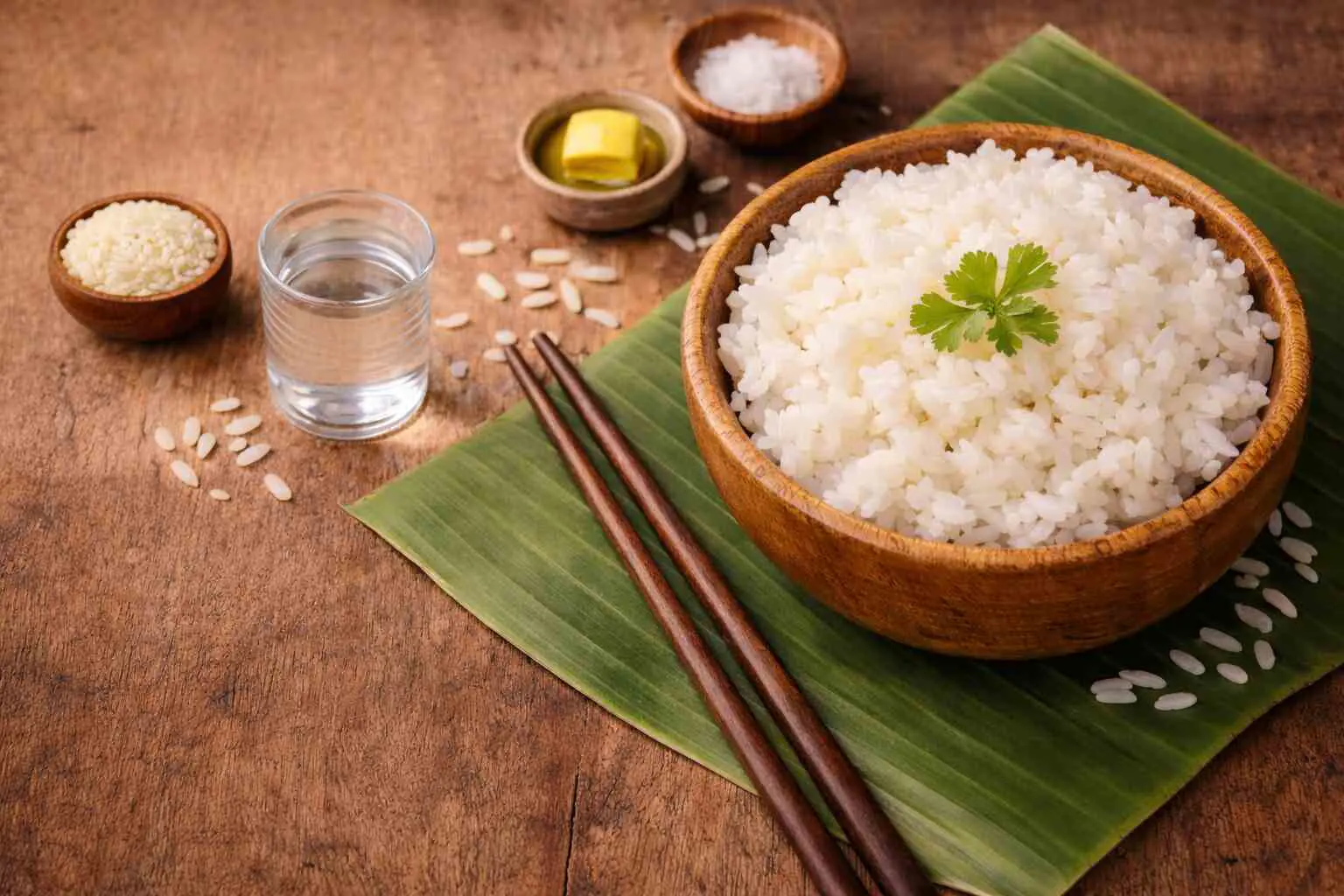
1 cup jasmine rice – rinsed
-
1 ½ cups water – for stovetop or rice cooker
-
½ teaspoon salt (optional) – enhances flavor
-
1 teaspoon butter or oil (optional) – for richer taste and aroma
If cooking brown jasmine rice, increase water to 1 ¾ cups and simmer slightly longer, about 25–30 minutes.
Choosing the Right Jasmine Rice
The first step in cooking perfect jasmine rice is choosing the right type:
-
White Jasmine Rice: The most common type, with a soft texture and delicate aroma.
-
Brown Jasmine Rice: Less processed, retaining its bran layer and nutrients, with a nuttier flavor and slightly chewier texture.
-
Organic Jasmine Rice: Free from synthetic fertilizers and pesticides, offering a cleaner taste.
Choose based on your taste preferences and nutritional goals.
How to Prepare Jasmine Rice
Proper preparation ensures that your jasmine rice cooks evenly and achieves the ideal texture.
1. Measure the Rice
Use a standard measuring cup to portion your rice. A typical serving is ½ cup of uncooked rice per person.
2. Rinse the Rice
Rinsing jasmine rice removes excess starch, preventing clumping and creating fluffier grains. Place the rice in a fine-mesh strainer or bowl, rinse under cold water, and swirl gently. Repeat 2–3 times until the water runs clear.
3. Soak the Rice (Optional)
Soaking jasmine rice for 20–30 minutes can help it cook more evenly and enhance its texture. This step is optional but recommended for a softer, more fragrant result.
Methods to Cook Jasmine Rice
There are several ways to cook jasmine rice, depending on your kitchen setup and preferences.
1. Stovetop Method
The stovetop method is traditional and simple:
Ingredients:
Instructions:
-
Combine rice and water in a medium saucepan.
-
Add salt if desired.
-
Bring to a boil over medium-high heat.
-
Once boiling, reduce heat to low and cover the pan with a tight-fitting lid.
-
Simmer for 15–20 minutes without lifting the lid.
-
Turn off heat and let the rice sit, covered, for 10 minutes.
-
Fluff with a fork and serve.
2. Rice Cooker Method
Rice cookers simplify the process and yield consistent results:
Instructions:
-
Add rinsed jasmine rice and water to the rice cooker using the 1:1.5 ratio.
-
Close the lid and start the cooking cycle.
-
When the rice cooker switches to “warm,” let the rice sit for 5–10 minutes.
-
Fluff the rice before serving.
3. Instant Pot / Pressure Cooker Method
Cooking jasmine rice in an Instant Pot is fast and convenient:
Instructions:
-
Combine rinsed rice and water in a 1:1 ratio in the Instant Pot.
-
Close the lid and set the valve to sealing.
-
Cook on high pressure for 4 minutes.
-
Allow natural pressure release for 10 minutes.
-
Fluff the rice and serve.
How to Store Cooked Jasmine Rice
Proper storage extends the shelf life and prevents bacterial growth:
-
Refrigeration: Store cooled rice in an airtight container for up to 5 days.
-
Freezing: Freeze in portions for up to 1 month. Reheat using a steamer or microwave with a splash of water to restore moisture.
Serving Suggestions for Jasmine Rice
Jasmine rice pairs beautifully with:
-
Thai curries, like green curry or massaman curry
-
Stir-fried vegetables and meats
-
Grilled seafood and chicken
-
Steamed dumplings or spring rolls
Its light and fragrant nature complements bold flavors without overpowering them.
Conclusion
Cooking jasmine rice perfectly is simple once you understand the right techniques and water ratios. Whether you use a stovetop, rice cooker, or pressure cooker, following these steps ensures fluffy, fragrant rice every time. With proper preparation, storage, and serving suggestions, jasmine rice can become a versatile staple in your kitchen.