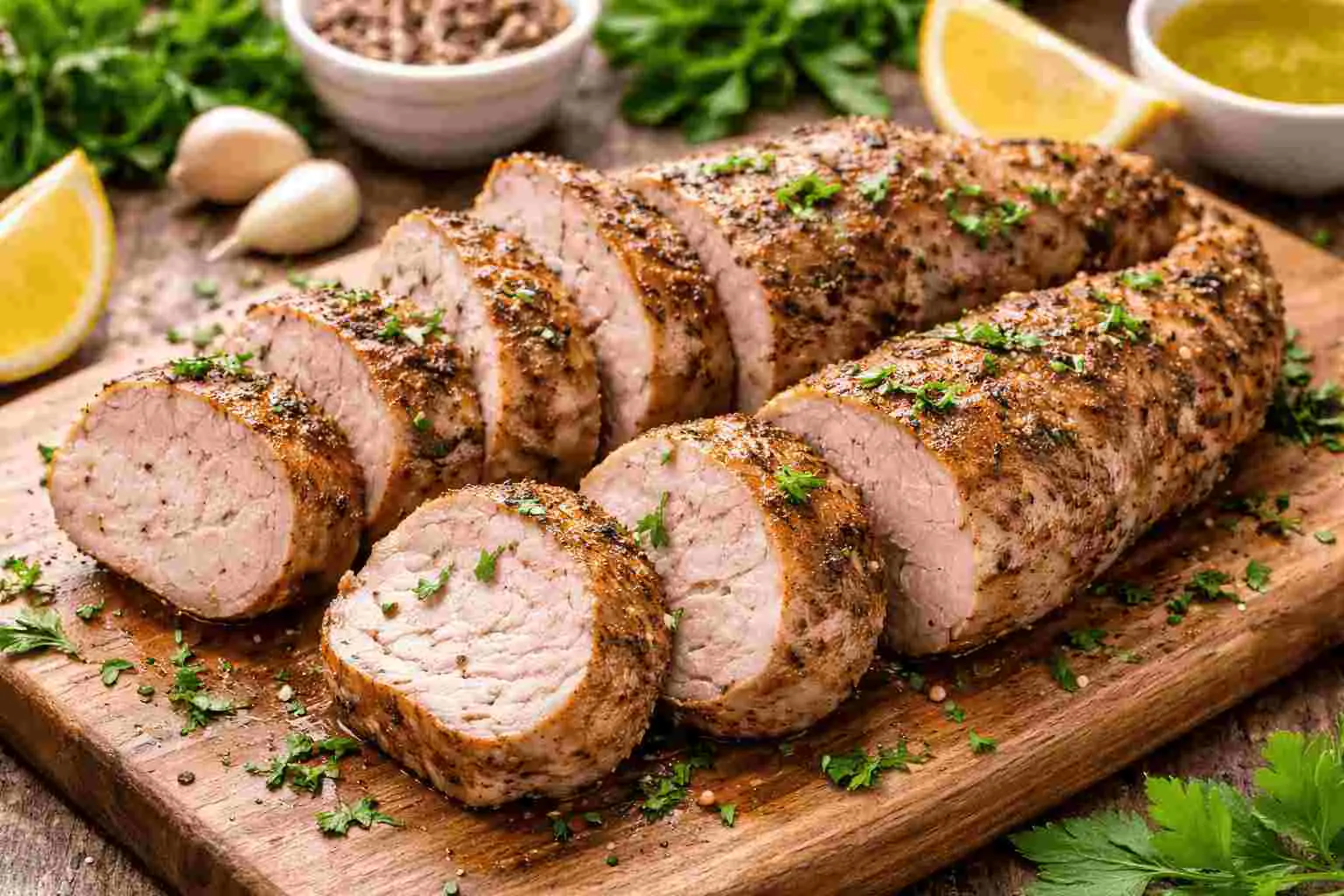
Pork tenderloin is one of the leanest and most nutritious cuts of pork available. Known for its tender texture and mild flavor, it fits well into balanced diets focused on high protein, moderate calories, and essential nutrients.
Whether you’re managing weight, building muscle, or simply eating healthier, understanding pork tenderloin nutrition facts can help you make smarter food choices. This guide breaks down pork tenderloin calories, protein content, vitamins, minerals, and health benefits, along with tips on how to enjoy it as part of a healthy diet.
Pork Tenderloin Nutrition Facts (Per 100g, Cooked)
Here is an approximate nutritional breakdown of cooked pork tenderloin:
-
Calories: 140–150 kcal
-
Protein: 26–27 grams
-
Total Fat: 3–4 grams
-
Saturated Fat: ~1 gram
-
Cholesterol: ~70 mg
-
Carbohydrates: 0 grams
-
Iron: ~7% of Daily Value
-
Zinc: ~20% of Daily Value
-
Vitamin B6: ~35% of Daily Value
-
Vitamin B12: ~10% of Daily Value
These values may vary slightly depending on cooking method and portion size.
Pork Tenderloin Calories: Is It Low-Calorie?
Pork tenderloin calories are relatively low compared to many other cuts of pork and red meat. A 3-ounce (85g) cooked serving typically contains about 120–130 calories, making it suitable for calorie-conscious diets.
Because most of its calories come from protein rather than fat, pork tenderloin helps promote fullness without excessive calorie intake. Grilling, roasting, or baking it without heavy sauces keeps the calorie count low and nutrition intact.
Pork Tenderloin Protein Content
One of the standout features of pork tenderloin is its high protein content. With roughly 26 grams of protein per 100 grams, it rivals chicken breast and lean beef.
Protein from pork tenderloin:
-
Supports muscle growth and repair
-
Helps maintain lean body mass
-
Keeps you full for longer periods
-
Supports metabolic and immune functions
This makes pork tenderloin an excellent choice for athletes, fitness enthusiasts, and individuals following high-protein or low-carb diets.
Fat Content and Cholesterol
Pork tenderloin is naturally low in fat, especially when trimmed of visible fat. Most of its fat is unsaturated, which is considered healthier for heart health when consumed in moderation.
While it does contain cholesterol, research shows that dietary cholesterol has less impact on blood cholesterol levels than previously thought. When eaten as part of a balanced diet, pork tenderloin can fit into heart-healthy eating plans.
Vitamins in Pork Tenderloin
Pork tenderloin is rich in several essential vitamins, particularly B vitamins:
-
Vitamin B6: Supports brain function, metabolism, and red blood cell production
-
Vitamin B12: Essential for nerve health and DNA formation
-
Niacin (B3): Helps convert food into energy and supports skin health
-
Thiamine (B1): Plays a key role in energy metabolism
Pork is one of the best natural sources of thiamine, making it nutritionally unique among meats.
Minerals and Micronutrients
In addition to vitamins, pork tenderloin provides important minerals:
-
Zinc: Supports immune health and wound healing
-
Iron: Helps transport oxygen in the blood
-
Phosphorus: Essential for bone and tooth health
-
Selenium: Acts as an antioxidant supporting thyroid function
These nutrients contribute to overall vitality and long-term health.
Health Benefits of Pork Tenderloin
1. High-Quality Protein Source
Pork tenderloin provides complete, high-quality protein that supports muscle growth, repair, and maintenance. It also helps keep you full for longer, reducing unnecessary snacking.
2. Low in Fat and Calories
As one of the leanest cuts of pork, pork tenderloin contains less fat and fewer calories than many other red meats. This makes it suitable for weight management and calorie-controlled diets.
3. Supports Muscle Health
The amino acids in pork tenderloin help preserve lean muscle mass, especially important for active individuals and older adults looking to prevent muscle loss.
4. Rich in B Vitamins
Pork tenderloin is an excellent source of B vitamins like B6, B12, and thiamine, which support energy production, brain function, and red blood cell formation.
5. Boosts Immune Function
Zinc and selenium found in pork tenderloin help strengthen the immune system and protect the body against infections and oxidative stress.
6. Promotes Heart Health (When Eaten Lean)
Because it is low in saturated fat, pork tenderloin can support heart health when prepared using healthy cooking methods such as grilling or baking.
7. Supports Metabolism and Energy Levels
The combination of protein and B vitamins helps improve metabolic efficiency and maintain steady energy throughout the day.
Healthiest Ways to Cook Pork Tenderloin
To preserve its nutritional value:
-
Grill, bake, roast, or pan-sear with minimal oil
-
Avoid deep-frying or heavy cream-based sauces
-
Pair with vegetables, whole grains, or legumes
Cooking pork tenderloin to an internal temperature of 145°F (63°C) ensures safety while keeping it juicy.
Final Thoughts
Pork tenderloin nutrition facts show that it’s a lean, protein-rich meat with moderate calories and valuable vitamins and minerals. With impressive pork tenderloin protein levels and relatively low fat, it’s a smart choice for anyone looking to eat healthier without sacrificing flavor.
When cooked properly and enjoyed in moderation, pork tenderloin can be a nutritious and satisfying part of a balanced diet.