Beef Stroganoff A Timeless Classic Dish


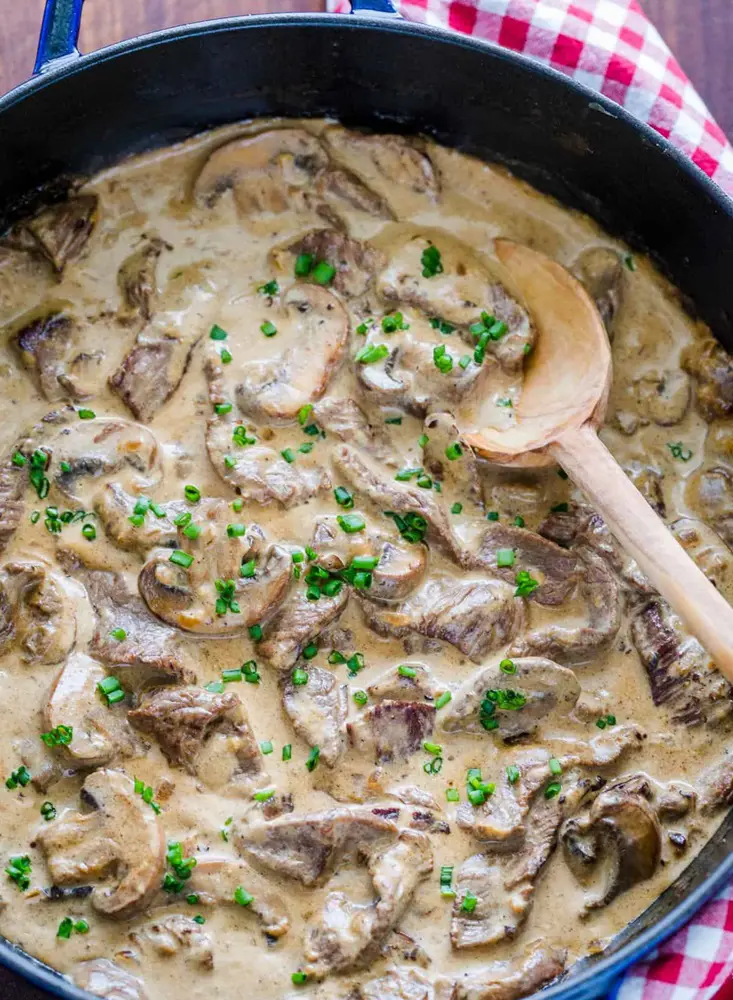
Beef Stroganoff, a beloved dish with Russian origins, has transcended its roots to become a global culinary classic.
This delectable dish, characterized by tender beef strips, and creamy mushroom sauce, and often served over noodles or rice, has a fascinating history, cultural significance, and modern adaptations that make it a staple in kitchens worldwide.
Historical Background
Beef Stroganoff's origins can be traced back to 19th-century Russia. The dish is named after the Stroganov family, a wealthy and influential Russian family known for their patronage of the arts and sciences.
It is believed that the dish was created by French chefs working for the Stroganov household, blending French culinary techniques with Russian ingredients.
The earliest known recipe for Beef Stroganoff appeared in "A Gift to Young Housewives," a Russian cookbook by Elena Molokhovets, published in 1871. The original recipe was simple: sautéed beef cubes in a mustard and bouillon sauce, finished with a small amount of sour cream.
Over time, the dish evolved, incorporating onions and mushrooms, and expanding in popularity beyond Russia.
Cultural Significance
In Russia, Beef Stroganoff is more than just a meal; it is a symbol of cultural and culinary fusion. The dish embodies the blend of Russian heartiness and French sophistication, reflecting a time when Russian aristocracy sought to emulate European elegance. It became a common feature in Russian households, especially during festive occasions and family gatherings.
As Beef Stroganoff spread across Europe and eventually to the United States, it adapted to local tastes and ingredients. During the mid-20th century, the dish gained immense popularity in America, becoming a comforting and elegant dinner option. Its ease of preparation and rich flavor profile made it a favorite in home kitchens and restaurants alike.
Classic Beef Stroganoff Recipe
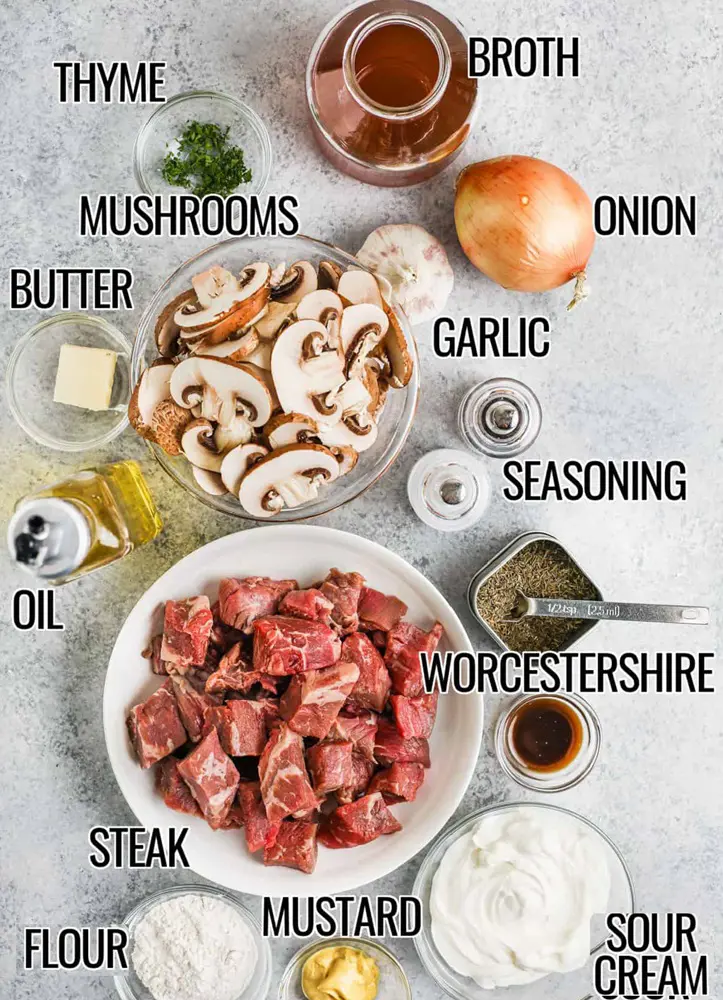
To appreciate Beef Stroganoff, one must first understand its traditional preparation. Here’s a classic recipe that captures the essence of this timeless dish:
Ingredients:
- 1 pound beef tenderloin or sirloin, thinly sliced into strips
- 1 tablespoon vegetable oil
- 2 tablespoons butter
- 1 medium onion, finely chopped
- 2 cloves garlic, minced
- 1 pound mushrooms, sliced
- 1 tablespoon flour
- 1 cup beef broth
- 1 tablespoon Dijon mustard
- 1 cup sour cream
- Salt and pepper to taste
- Fresh parsley, chopped (for garnish)
- Egg noodles or rice, cooked (for serving)
Instructions:
-
Prepare the Beef: Season the beef strips with salt and pepper. Heat the vegetable oil in a large skillet over medium-high heat. Sear the beef strips until browned, about 2-3 minutes per side. Remove the beef from the skillet and set aside.
-
Sauté the Vegetables: In the same skillet, melt the butter. Add the chopped onion and cook until translucent, about 5 minutes. Add the garlic and mushrooms, cooking until the mushrooms are tender and browned, approximately 8-10 minutes.
-
Create the Sauce: Sprinkle the flour over the mushroom mixture and stir well to combine. Gradually pour in the beef broth, stirring constantly to prevent lumps. Bring the mixture to a simmer and cook until the sauce thickens about 5 minutes.
-
Incorporate the Beef and Finish the Sauce: Return the beef strips to the skillet, along with any accumulated juices. Stir in the Dijon mustard and sour cream, mixing until the sauce is smooth and creamy. Cook for an additional 2-3 minutes, allowing the flavors to meld together.
-
Serve: Season with additional salt and pepper to taste. Serve the Beef Stroganoff over cooked egg noodles or rice, garnished with freshly chopped parsley.
Modern Adaptations and Trends
While the classic Beef Stroganoff recipe remains beloved, modern chefs and home cooks have experimented with various adaptations to suit contemporary tastes and dietary preferences. Some of these innovations include:
-
Healthier Versions: With a growing emphasis on health and wellness, many have sought to lighten Beef Stroganoff. Substituting Greek yogurt for sour cream, using leaner cuts of beef, or incorporating more vegetables like bell peppers and spinach are common modifications.
-
Dietary Restrictions: Adaptations for dietary needs have also become popular. Vegetarian versions replace beef with mushrooms, tofu, or tempeh. Gluten-free recipes utilize gluten-free flour and pasta alternatives, ensuring that everyone can enjoy this classic dish.
-
Instant Pot and Slow Cooker Variations: In the fast-paced modern world, convenience is key. Instant Pot and slow cooker versions of Beef Stroganoff have emerged, allowing for hands-off cooking while still delivering robust flavors. These methods often result in even more tender meat and rich, infused sauces.
-
Global Influences: Beef Stroganoff has been infused with flavors from various cuisines as a testament to its adaptability. For instance, incorporating soy sauce and ginger for an Asian twist, or adding spices like paprika and cayenne for a spicier kick, demonstrates the dish's versatility.
Beef Stroganoff in Contemporary Cuisine
Today, Beef Stroganoff continues to hold a cherished place in both home kitchens and upscale dining establishments. Its comforting, rich flavor makes it a go-to choice for family dinners, while its sophisticated roots allow it to shine in gourmet settings.
- In-Home Kitchens: Home cooks appreciate Beef Stroganoff for its straightforward preparation and the ability to satisfy diverse palates. It is a frequent choice for weeknight dinners, special occasions, and potlucks. The flexibility in ingredients and methods allows for creative expression, making it a dish that evolves with each generation.
- In Restaurants: In the restaurant scene, Beef Stroganoff often appears on menus of establishments that specialize in comfort food or classic European cuisine. Chefs might elevate the dish with premium cuts of beef, wild mushrooms, or artisanal pasta. Some contemporary restaurants even offer deconstructed versions, presenting the components in a new and artistic manner.
Nutritional Profile
Understanding the nutritional aspects of Beef Stroganoff is essential, especially given the modern focus on balanced diets. A traditional serving of Beef Stroganoff, when prepared with sirloin, mushrooms, onions, and sour cream, offers a hearty nutritional profile:
- Calories: Approximately 400-500 per serving, depending on the portion size and specific ingredients used.
- Protein: Beef is a rich source of protein, with a typical serving providing around 25-30 grams.
- Fats: The dish contains both saturated and unsaturated fats, with sour cream and butter contributing to the total fat content.
- Carbohydrates: The carbohydrate content primarily comes from the accompanying noodles or rice.
- Vitamins and Minerals: Beef Stroganoff provides several essential nutrients, including iron, vitamin B12, and zinc from the beef, as well as vitamin D and antioxidants from the mushrooms.
Pairing Suggestions
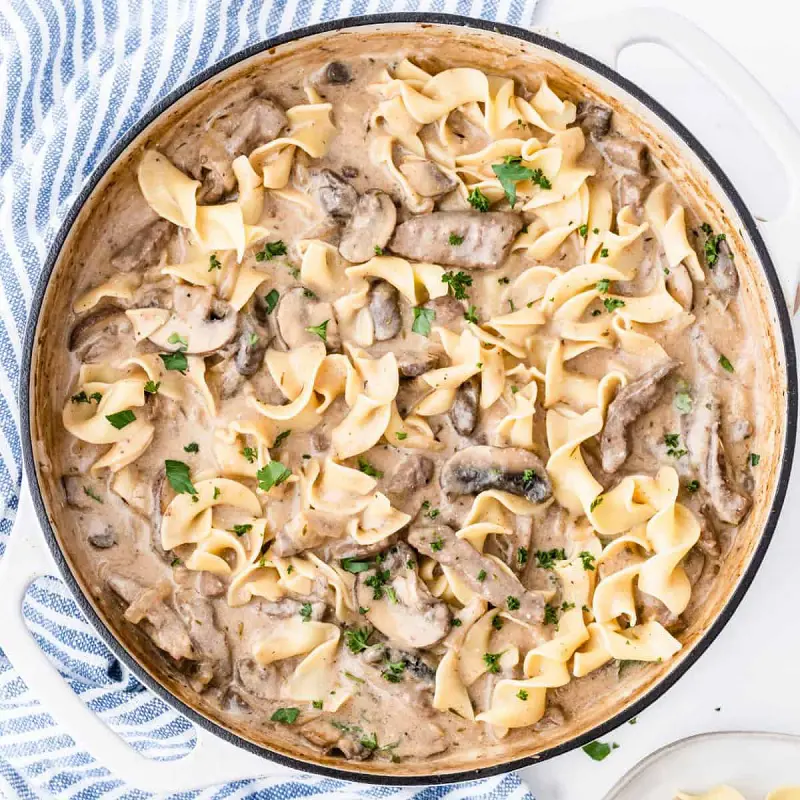
To enhance the dining experience, thoughtful pairing of beverages and side dishes can complement Beef Stroganoff's rich flavors:
Beverages:
- Wine: Red wines with moderate tannins, such as Merlot or Pinot Noir, pair beautifully with the creamy and savory notes of Beef Stroganoff. White wines like Chardonnay can also complement the dish, especially when prepared with a lighter sauce.
- Beer: A robust beer, such as a porter or stout, can match the depth of the dish. For those preferring a lighter option, a Pilsner or a Belgian-style ale works well.
Side Dishes:
- Vegetables: Steamed or roasted vegetables, like green beans, asparagus, or carrots, provide a fresh contrast to the richness of Beef Stroganoff.
- Salads: A crisp green salad with a light vinaigrette helps balance the creamy sauce and adds a refreshing element to the meal.
- Bread: Serving Beef Stroganoff with crusty bread or garlic bread allows diners to soak up the delicious sauce, enhancing the overall experience.
Cooking Tips and Techniques
To achieve the perfect Beef Stroganoff, consider the following tips and techniques:
-
Choosing the Right Cut of Beef: Tender cuts such as sirloin, tenderloin, or ribeye are ideal for Beef Stroganoff. These cuts cook quickly and remain tender, ensuring a pleasant texture.
-
Proper Searing: Searing the beef strips at a high temperature helps develop a rich, caramelized crust. Avoid overcrowding the pan to ensure even browning.
-
Building Flavors: Take the time to sauté the onions and mushrooms thoroughly. This step enhances the dish's depth of flavor. Deglazing the pan with a bit of wine or broth before adding the flour can also add complexity.
-
Balancing the Sauce: The sour cream should be added towards the end of the cooking process to prevent curdling. If the sauce becomes too thick, a splash of broth or cream can help achieve the desired consistency.
-
Resting the Beef: Allowing the beef to rest after searing helps retain its juices, resulting in a more succulent dish. Adding the beef back to the sauce just before serving ensures it remains tender.
Conclusion
Beef Stroganoff is more than just a dish; it is a culinary journey that spans centuries and continents. From its noble beginnings in Russia to its status as a beloved comfort food worldwide, Beef Stroganoff embodies a blend of tradition, innovation, and timeless appeal.
Whether enjoyed in its classic form or with modern twists, this dish continues to captivate and satisfy palates, proving that some recipes truly are eternal. So, gather your ingredients, embrace the rich history, and indulge in the delightful flavors of Beef Stroganoff.