Hiccups are sudden, involuntary contractions of the diaphragm that can be both annoying and uncomfortable. They usually come on without warning and can last anywhere from a few seconds to several minutes.
While hiccups are generally harmless, they can disrupt daily activities, conversations, and even sleep. Fortunately, there are several effective methods to stop hiccups, ranging from simple home remedies to lifestyle adjustments.
Understanding the triggers of hiccups and trying these remedies can help you find relief quickly. In this article, we’ll explore various ways to stop hiccups and prevent them from occurring in the future.
Why Hiccups Happen
Before diving into remedies, it’s helpful to know why hiccups occur. Hiccups happen when the diaphragm, the muscle responsible for breathing, contracts involuntarily. This sudden contraction causes the vocal cords to close, producing the characteristic "hic" sound.
Some common triggers include:
-
Eating too quickly or overeating
-
Drinking carbonated beverages or alcohol
-
Sudden temperature changes in the stomach
-
Emotional stress or excitement
-
Swallowing air while chewing gum or smoking
Most hiccups resolve on their own, but persistent hiccups lasting more than 48 hours may require medical attention.
Immediate Home Remedies for Hiccups
1. Hold Your Breath
One of the simplest and most effective techniques is to hold your breath. Take a deep breath and hold it for 10–20 seconds. This increases carbon dioxide levels in the blood, which can help the diaphragm relax and stop hiccups.
2. Drink Cold Water
Slowly sipping cold water can stimulate the vagus nerve, which interacts with the diaphragm and may help halt hiccups. Some people find that drinking water quickly in small sips or drinking from the far side of a glass works even better.
3. Swallow a Teaspoon of Sugar
The granules of sugar may stimulate the vagus nerve, helping to reset the diaphragm’s rhythm. Simply place a teaspoon of sugar in your mouth, let it dissolve slightly, and swallow it.
4. Use a Paper Towel with Water
Place a paper towel over a glass of water and drink through it. This forces you to pull harder with your diaphragm, which can stop hiccups by changing the breathing pattern.
5. Try Gentle Pressure Techniques
Applying gentle pressure to certain areas can help:
-
Pull your knees to your chest and lean forward slightly.
-
Gently press on your diaphragm, just below your ribcage.
-
Press your palm against your forehead while swallowing.
Breathing and Swallowing Techniques
1. Breathe Into a Paper Bag
Breathing slowly into a small paper bag increases carbon dioxide in your bloodstream, which may relax the diaphragm. Do not use a plastic bag or breathe too quickly to avoid dizziness.
2. Perform the “Valsalva Maneuver”
Close your mouth, pinch your nose, and try to exhale gently as if blowing up a balloon. This technique increases pressure in the chest and can reset diaphragm spasms.
3. Swallowing Water Backward
Some people find relief by bending forward and drinking water backward over the edge of a glass. This unusual angle may stimulate the nerves controlling the diaphragm.
Natural and Herbal Remedies
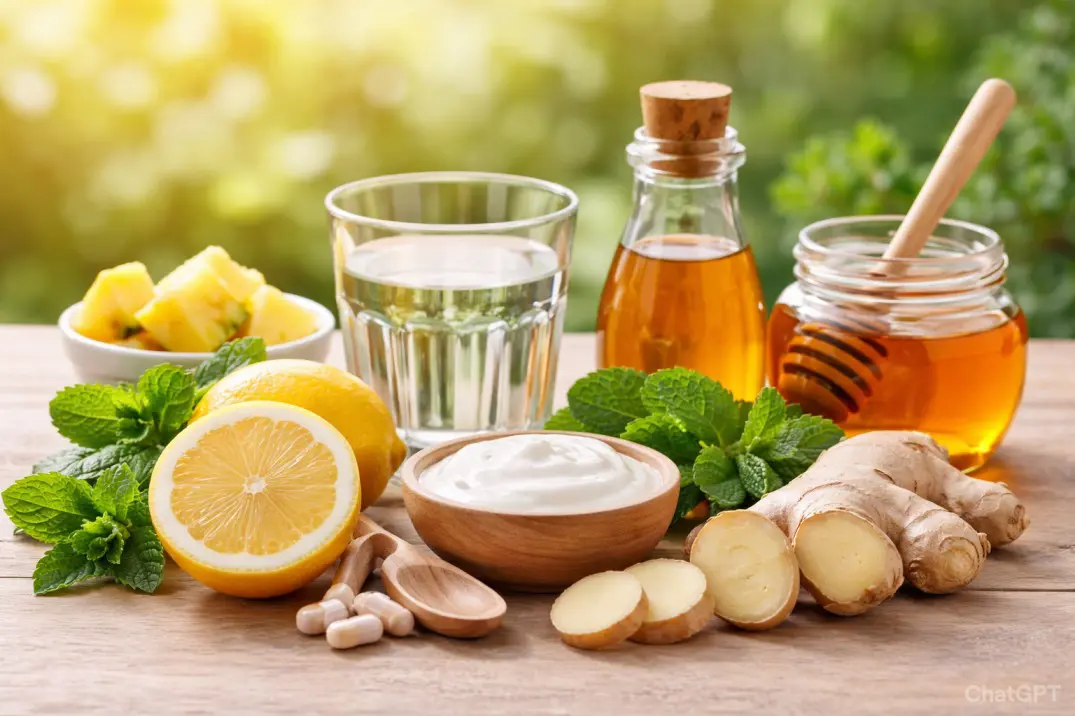
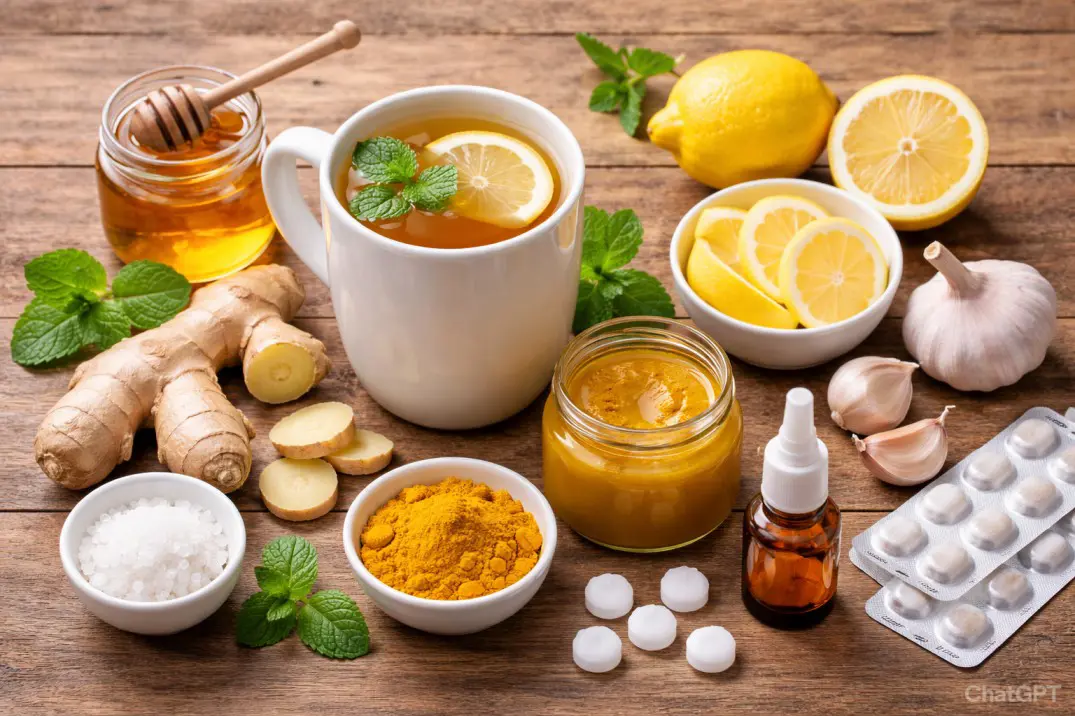
1. Ginger
Ginger can calm the stomach and reduce spasms in the digestive tract. You can chew a small piece of fresh ginger or drink ginger tea for hiccup relief.
2. Peppermint
Peppermint has antispasmodic properties that can relax the diaphragm. Drinking peppermint tea or sucking on a peppermint candy may help.
3. Honey
Honey can coat the throat and soothe irritation that might trigger hiccups. Take a teaspoon of honey straight or mix it in warm water or tea.
4. Lemon
Sucking on a lemon wedge or drinking lemon juice stimulates the vagus nerve, which can interrupt hiccup cycles.
Lifestyle Changes to Prevent Hiccups
While occasional hiccups are normal, making small adjustments can reduce their frequency:
-
Eat slowly and chew food thoroughly
-
Avoid carbonated beverages and alcohol in excess
-
Avoid chewing gum or sucking on hard candies excessively
-
Manage stress through meditation or deep breathing exercises
-
Avoid sudden temperature changes in your stomach by eating and drinking at moderate temperatures
When to See a Doctor
Most hiccups are temporary and harmless. However, seek medical attention if hiccups:
-
Persist for more than 48 hours
-
Interfere with eating, sleeping, or breathing
-
Are accompanied by chest pain, severe abdominal pain, or vomiting
Persistent hiccups may indicate underlying medical conditions such as acid reflux, nerve damage, or metabolic disorders.
Conclusion
Hiccups can be an irritating interruption in daily life, but most cases are harmless and easily treated with home remedies. Simple techniques like holding your breath, drinking water, or using sugar can provide fast relief. Natural remedies like ginger, honey, and peppermint can also help calm the diaphragm.
In addition to remedies, adopting lifestyle habits such as eating slowly and managing stress can prevent future hiccups. By understanding your body and trying these remedies, you can stop hiccups quickly and minimize their impact on your day.