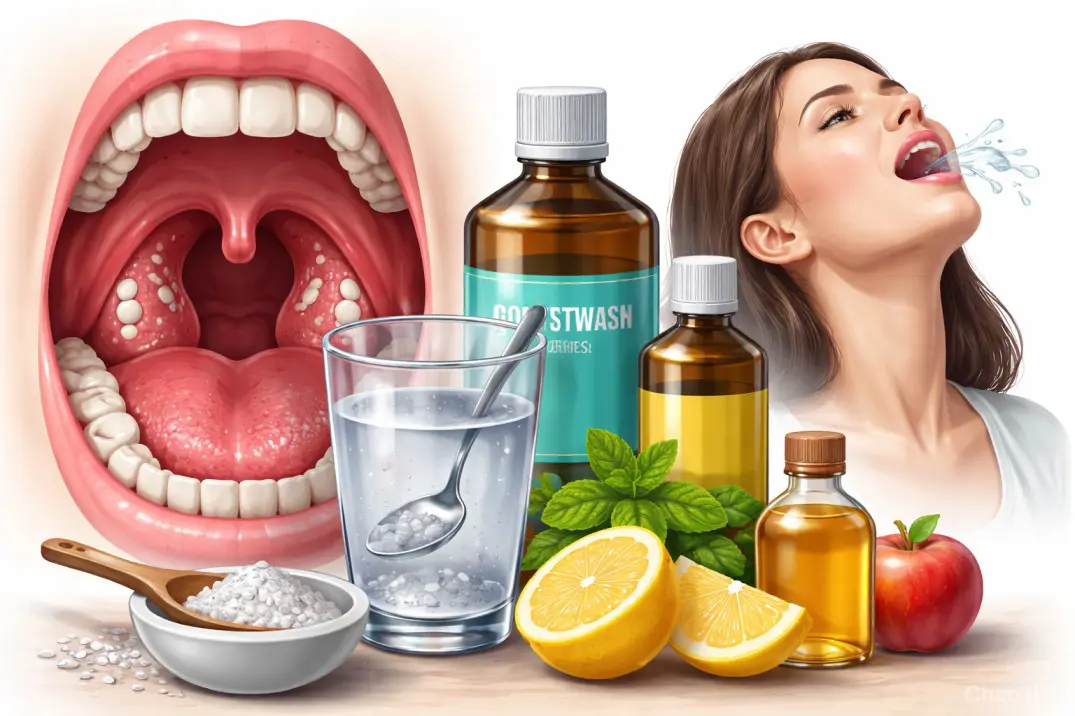
Phlegm is a thick, sticky substance produced by the respiratory system, mainly the throat, lungs, and sinuses. It plays a protective role by trapping dust, allergens, and microbes, preventing them from entering your lungs.
While normal amounts of phlegm are healthy, excessive accumulation can cause discomfort, difficulty swallowing, coughing, and throat irritation. Several factors can increase phlegm production, including colds, sinus infections, allergies, smoking, pollution, and underlying health conditions like bronchitis or acid reflux. Recognizing the cause is the first step toward effectively reducing phlegm.
Drink Plenty of Fluids
Staying hydrated is one of the simplest ways to thin phlegm. Water, herbal teas, and clear broths help loosen mucus, making it easier to expel. Warm liquids, in particular, can soothe the throat and reduce irritation.
Tips:
-
Aim for 8–10 glasses of water daily.
-
Herbal teas like ginger or chamomile can add anti-inflammatory benefits.
-
Avoid caffeinated or sugary drinks that may dehydrate you.
Use Steam Therapy
Steam helps to moisten the throat and nasal passages, loosening thick mucus. Breathing in warm, moist air can significantly reduce congestion and phlegm.
Methods:
-
Take a hot shower and inhale the steam.
-
Fill a bowl with hot water, lean over it, cover your head with a towel, and breathe deeply for 5–10 minutes.
-
Adding eucalyptus or peppermint oil can enhance relief.
Gargle with Salt Water
Saltwater gargling is a time-tested remedy for throat irritation and mucus buildup. It helps to break down phlegm, reduce swelling, and kill bacteria.
How to Gargle:
-
Mix half a teaspoon of salt in a glass of warm water.
-
Gargle for 30 seconds and spit it out.
-
Repeat 2–3 times a day for best results.
Try Natural Remedies
Certain natural ingredients can help reduce phlegm and soothe the throat.
-
Honey: Has antibacterial properties and coats the throat, easing irritation. Add a teaspoon to warm water or herbal tea.
-
Ginger: Acts as a natural anti-inflammatory and decongestant. Chew fresh ginger or steep it in hot water.
-
Lemon: Its acidic nature helps break down mucus. Mix with warm water and honey for a soothing drink.
-
Garlic: Contains allicin, which has antimicrobial properties. Include it in meals or consume raw if tolerated.
Avoid Irritants
Some substances increase mucus production or worsen phlegm. Identifying and reducing exposure can significantly improve throat health.
Common Irritants:
-
Smoke from cigarettes or fires
-
Pollutants and dust
-
Dairy products (in some people, they can thicken mucus)
-
Processed foods high in sugar
Minimizing these triggers can help the throat clear itself naturally.
Maintain Proper Humidity
Dry air can make phlegm thick and sticky, worsening throat discomfort. Using a humidifier in your bedroom or living areas keeps the air moist, making mucus easier to clear.
Tips:
-
Clean the humidifier regularly to avoid bacterial buildup.
-
Use cool or warm mist depending on comfort.
-
Indoor plants can also add natural moisture to the air.
When to See a Doctor
Persistent or severe phlegm could indicate an underlying condition requiring medical attention. Seek professional advice if you notice:
Conditions such as chronic bronchitis, pneumonia, asthma, or acid reflux can cause prolonged phlegm buildup and require treatment.
Lifestyle Habits to Prevent Phlegm
In addition to remedies, adopting healthy habits can reduce phlegm production over time:
-
Wash hands regularly to prevent infections.
-
Avoid exposure to allergens when possible.
-
Maintain a balanced diet rich in fruits, vegetables, and hydration.
-
Exercise regularly to boost respiratory health.
-
Elevate your head while sleeping to prevent mucus accumulation.
Conclusion
Getting rid of phlegm in the throat involves a combination of home remedies, lifestyle changes, and, when necessary, medical intervention. Staying hydrated, using steam therapy, natural remedies like honey and ginger, and avoiding irritants are effective ways to thin and expel mucus.
If phlegm persists or worsens, consulting a healthcare professional is essential to address any underlying issues. By combining preventive habits with these remedies, you can maintain a clear throat and improve overall respiratory health.