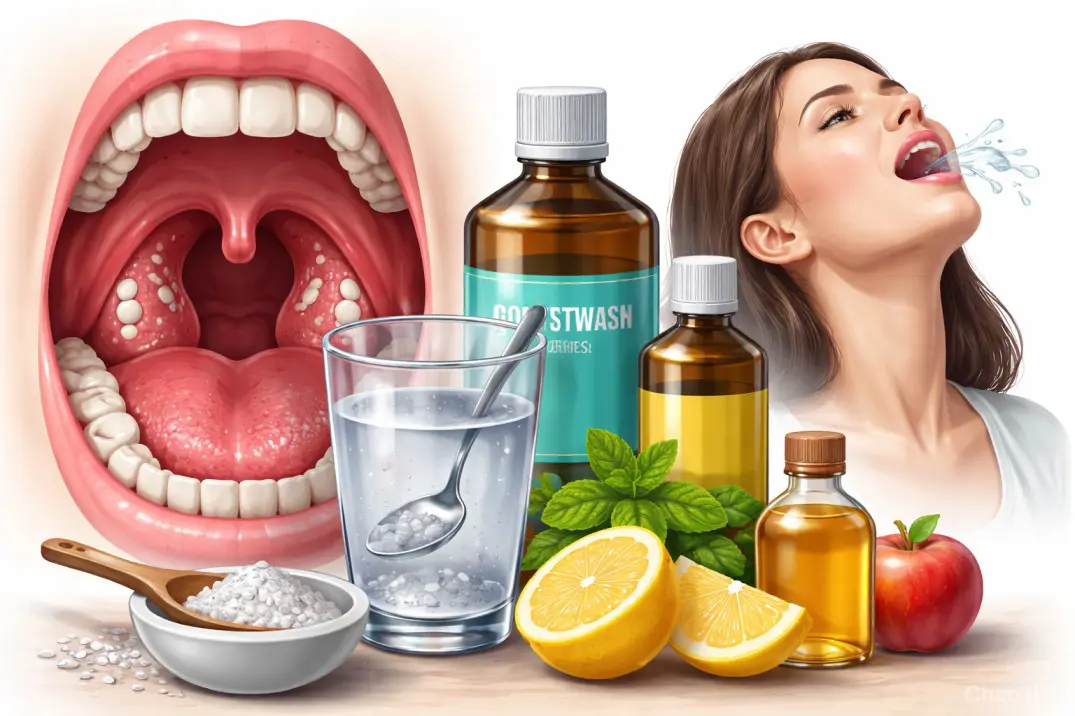
Tonsil stones, also known as tonsilloliths, are small, hard deposits that form in the crevices of the tonsils. They are usually composed of bacteria, dead cells, mucus, and trapped food particles.
While they are generally harmless, they can be uncomfortable and cause unpleasant symptoms such as bad breath, sore throat, or a feeling of something stuck in your throat.
Tonsil stones are more common in people who have chronic inflammation of the tonsils or deep tonsil crypts (small pockets in the tonsils). Understanding the causes, symptoms, and available remedies can help you manage them effectively and prevent recurrence.
Causes of Tonsil Stones
Several factors contribute to the formation of tonsil stones:
-
Poor Oral Hygiene: Bacteria and food particles accumulate in the mouth and tonsil crevices.
-
Chronic Tonsillitis: Recurrent inflammation can enlarge the tonsil pockets, making stone formation more likely.
-
Post-Nasal Drip: Excess mucus can trap debris in the tonsils.
-
Dietary Habits: High intake of dairy products and sugary foods may increase the risk.
By identifying the cause, you can choose the most effective method for removal and prevention.
Symptoms of Tonsil Stones
Tonsil stones are not always visible, but common signs include:
-
Bad breath (halitosis)
-
White or yellowish formations on the tonsils
-
Sore throat or difficulty swallowing
-
Ear pain in some cases
-
Feeling of something stuck in the throat
If symptoms are severe or persistent, it’s important to consult a healthcare professional.
Home Remedies to Get Rid of Tonsil Stones
For small or mild tonsil stones, home remedies are often effective and can prevent them from recurring. Below are some practical approaches:
1. Gargle with Salt Water
Salt water can help reduce bacteria, loosen debris, and soothe the throat. Mix 1 teaspoon of salt in a glass of warm water and gargle for 30–60 seconds, twice daily. Regular gargling can help prevent new stones from forming.
2. Use a Cotton Swab or Finger
If tonsil stones are visible, you can gently press the tonsil tissue with a clean cotton swab or finger to dislodge them. Be careful to avoid injury. It’s best to do this in front of a mirror with proper lighting.
3. Oral Irrigator
A low-pressure water irrigator can flush out stones safely. This method is particularly useful for stones that are hard to reach. Avoid high-pressure settings, as they can damage delicate tonsil tissue.
4. Maintain Excellent Oral Hygiene
Brushing teeth at least twice a day, flossing, and using an antibacterial mouthwash reduce the bacteria and food particles that contribute to stone formation. Tongue cleaning can also help, as bacteria often accumulate there.
5. Stay Hydrated
Drinking plenty of water helps wash away food particles and bacteria, keeping the mouth clean and reducing the likelihood of stone formation.
6. Apple Cider Vinegar (Optional)
Diluted apple cider vinegar may help break down tonsil stones due to its acidic properties. Mix 1 teaspoon of apple cider vinegar in a glass of warm water and gargle briefly. Do not overuse, as excessive acidity can damage teeth enamel.
With consistent care using these remedies, small tonsil stones can often be removed naturally, and recurrence can be minimized.
Medical Treatments for Tonsil Stones
If home remedies are ineffective or stones recur frequently, medical interventions may be necessary:
1. Manual Removal by an ENT
An ear, nose, and throat (ENT) specialist can remove stones safely using specialized tools.
2. Laser Tonsil Cryptolysis
This procedure reduces the size of tonsil crevices, preventing debris from accumulating.
3. Tonsillectomy
In severe or recurrent cases, complete removal of the tonsils may be recommended. This is generally considered a last resort.
Preventive Measures
Preventing tonsil stones is easier than treating them:
-
Good Oral Hygiene: Brush teeth twice daily and floss regularly.
-
Gargle Regularly: Saltwater or non-alcoholic mouthwash can prevent bacteria buildup.
-
Stay Hydrated: Drink plenty of water throughout the day.
-
Dietary Adjustments: Reduce dairy and sugary foods that promote mucus production.
-
Treat Sinus Issues: Managing post-nasal drip can reduce debris accumulation in the tonsils.
When to See a Doctor
Although tonsil stones are usually harmless, see a doctor if you experience:
-
Severe pain or difficulty swallowing
-
Large or persistent stones
-
Frequent infections or tonsillitis
-
Bleeding from the tonsils
A healthcare professional can provide targeted treatment and rule out other conditions.
Conclusion
Tonsil stones can be annoying and uncomfortable, but with proper care, they are manageable. Start with home remedies like saltwater gargles, good oral hygiene, and hydration.
If they persist or cause significant discomfort, consult an ENT specialist for professional removal or preventive treatments. Maintaining a clean mouth and tonsils is key to keeping your throat healthy and your breath fresh.