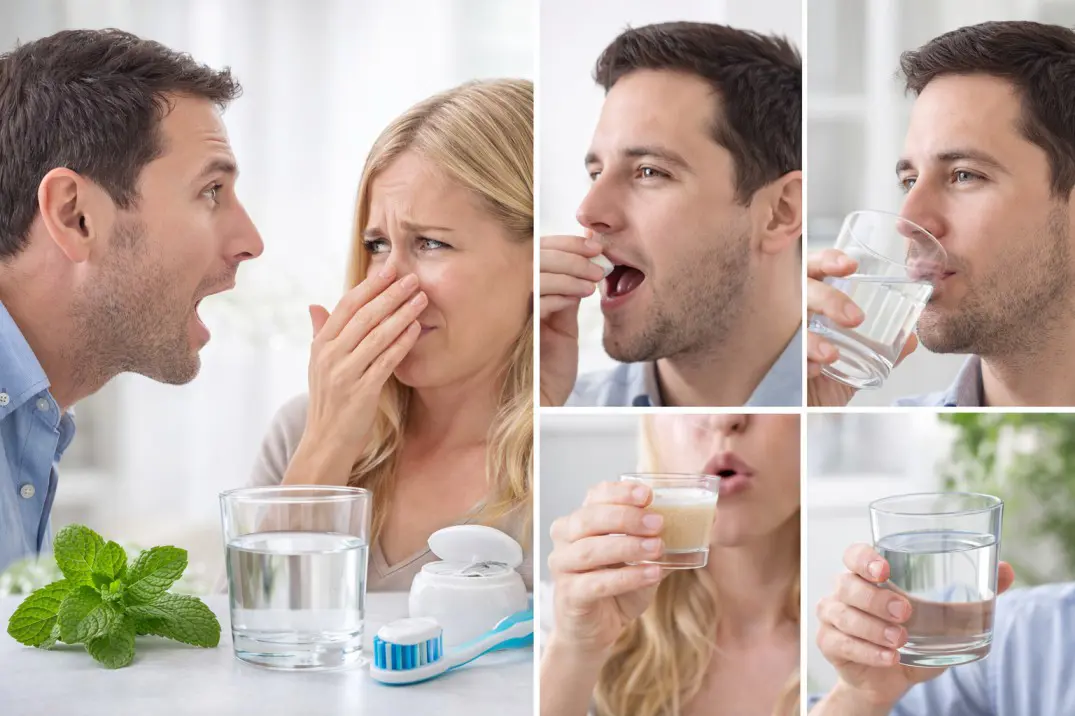
How to Get Rid of Sulfur Burps: Causes, Remedies & Prevention

Source : istock

Have you ever experienced a burp that smells like rotten eggs? Sulfur burps can be embarrassing, uncomfortable, and sometimes even concerning. While occasional burping is normal, persistent sulfur burps can indicate digestive issues or dietary imbalances.

Sulfur burps, also known as rotten egg burps, are characterized by a strong, unpleasant odor caused by the presence of sulfur in your digestive system. Understanding why sulfur burps occur is the first step to eliminating them effectively.

What Causes Sulfur Burps?

  1. Dietary Choices
    Certain foods naturally contain sulfur, such as eggs, garlic, onions, broccoli, cabbage, and red meat. Eating these foods in large amounts can lead to sulfur burps.

  2. Digestive Disorders
    Conditions like gastroesophageal reflux disease (GERD), irritable bowel syndrome (IBS), and gastritis can disrupt digestion and contribute to sulfur burps.

  3. Infections
    Bacterial infections in the gut, such as H. pylori, or parasitic infections can produce excess sulfur during digestion.

  4. Medications and Supplements
    Some antibiotics, multivitamins, and sulfur-containing supplements may cause temporary sulfur burps as a side effect.

  5. Poor Digestion
    Slow digestion or food lingering too long in the stomach can ferment, producing hydrogen sulfide gas, which results in the characteristic rotten egg smell.

Immediate Home Remedies for Sulfur Burps

If you’re dealing with sulfur burps, some simple home remedies can provide quick relief. These methods help neutralize stomach gas, improve digestion, and reduce the unpleasant smell.

1. Drink Plenty of Water

Staying hydrated helps flush out excess sulfur and supports smooth digestion. Aim for 8–10 glasses of water daily.

2. Apple Cider Vinegar (ACV)

ACV balances stomach acid and aids digestion. Mix 1–2 teaspoons in a glass of warm water and drink before meals to help reduce burps.

3. Ginger

Ginger eases bloating and promotes digestion. Try fresh ginger, ginger tea, or ginger supplements after meals to calm your stomach.

4. Peppermint Tea

Peppermint relaxes the digestive tract, helping gas pass more easily and reducing foul-smelling burps.

5. Baking Soda Solution

A teaspoon of baking soda in warm water can temporarily neutralize stomach acid, providing fast relief. Use sparingly to avoid disrupting your body’s electrolytes.

Dietary Adjustments to Reduce Sulfur Burps

  1. Limit Sulfur-Rich Foods
    Reduce intake of high-sulfur foods like eggs, cabbage, cauliflower, garlic, and certain meats.

  2. Increase Fiber Intake
    Fiber promotes regular bowel movements and prevents food fermentation in the gut, which can reduce gas and sulfur burps. Opt for fruits, vegetables, and whole grains.

  3. Eat Smaller, Frequent Meals
    Smaller meals ease digestion and reduce the likelihood of undigested food producing sulfur gas.

  4. Avoid Carbonated Drinks and Alcohol
    Carbonation and alcohol can increase stomach gas and worsen sulfur burps.

Lifestyle Habits to Prevent Sulfur Burps

  • Chew Food Thoroughly: Properly chewed food reduces the burden on your digestive system and minimizes fermentation.

  • Exercise Regularly: Physical activity stimulates digestion and helps move gas through the digestive tract.

  • Manage Stress: Stress can negatively impact digestion, leading to bloating and sulfur burps. Practices like yoga, meditation, or deep breathing can help.

  • Avoid Lying Down After Meals: Wait at least 2–3 hours before lying down to prevent acid reflux and burping.

When to See a Doctor

While most sulfur burps are harmless and can be managed with home remedies and diet, persistent or severe symptoms may indicate an underlying medical issue. Seek medical attention if you experience:

  • Frequent, persistent sulfur burps for more than a week

  • Nausea, vomiting, or abdominal pain

  • Unexplained weight loss

  • Blood in stool or vomit

A doctor may test for infections, digestive disorders, or other underlying conditions and recommend appropriate treatment.

Medical Treatments for Chronic Sulfur Burps

  1. Antacids and Acid Reducers
    Medications like proton pump inhibitors (PPIs) or H2 blockers can reduce stomach acid and help with burping caused by GERD.

  2. Antibiotics
    If a bacterial infection like H. pylori is causing sulfur burps, a course of antibiotics may be prescribed.

  3. Probiotics
    Supplements containing beneficial bacteria can restore gut balance and reduce gas and sulfur production.

Conclusion

Sulfur burps can be unpleasant, but they are often manageable through dietary changes, home remedies, and healthy lifestyle habits. Staying hydrated, avoiding sulfur-rich foods in excess, and promoting healthy digestion can go a long way in preventing this issue.

However, persistent or severe symptoms should not be ignored and may require professional medical evaluation. By understanding the causes and taking proactive steps, you can reduce or even eliminate sulfur burps naturally and enjoy better digestive health.