As a recipe developer, I’ve worked with every cut of meat imaginable, from Wagyu ribeye to heritage pork belly. But if you were to ask me what the pinnacle of the carnivorous experience is, I wouldn’t point you toward a steakhouse in Manhattan. I’d point you toward the wild.
Elk tenderloin is, quite simply, the most exquisite protein on the planet. Often referred to as the "backstrap" (though the true tenderloin is the smaller muscle tucked inside the rib cage), it offers a texture so buttery it rivals the finest beef filet mignon, but with a flavor profile that is infinitely more complex. It is earthy, slightly sweet, and remarkably clean—a far cry from the "gamey" reputation that often scares off the uninitiated.
Because it is exceptionally lean, cooking elk tenderloin requires a shift in mindset. If you treat it like a fatty store-bought steak, you’ll end up with something resembling a hockey puck. Treat it with respect, however, and you’ll produce a meal that your guests will talk about for years.
The Elk Advantage: Why It Outshines Beef
Before we pick up the cast iron, let’s talk about why elk belongs on your table. Nutritionally, elk is a powerhouse. It contains more protein per gram than beef but has about half the calories and significantly less saturated fat. It is rich in iron, zinc, and vitamin B12, making it a "superfood" in the world of red meat.
From a culinary perspective, the magic lies in the diet. Wild elk forage on native grasses, shrubs, and berries. This diverse diet translates into a meat that doesn't rely on fat (marbling) for flavor. Instead, the flavor is built into the muscle fibers themselves.
Step 1: Preparation and the Art of the Trim
The first rule of elk tenderloin is that silver skin is the enemy. Silver skin is that iridescent, tough connective tissue that runs along the exterior of the meat. Unlike the fat on a ribeye, silver skin will not melt during cooking; instead, it will shrink and toughen, turning a tender bite into something chewy.
How to Remove Silver Skin
- Use a sharp fillet knife: You need a thin, flexible blade.
- Create a tab: Slip the tip of the knife under the silver skin at one end of the tenderloin.
- The "Fish Skin" Technique: Angle your blade slightly upward against the silver skin. Hold the "tab" you created with your other hand and slide the knife along the length of the meat. If done correctly, the silver skin should come off in a clean ribbon with almost no meat attached.
Step 2: The Golden Rule of Temperature
If you take away nothing else from this article, remember this: Do not cook elk past medium-rare.
Because elk has very little intramuscular fat, it lacks the "buffer" that beef has. Once the internal temperature crosses 140°F (60°C), the proteins tighten and the moisture evaporates instantly.
- Rare: 120°F - 125°F
- Medium-Rare (The Sweet Spot): 130°F - 135°F
- Medium: 140°F (Entering the danger zone for toughness)
Pro Tip: Always pull your elk off the heat when it is 5 degrees below your target temperature. Carryover cooking is real, and it is aggressive with lean game meats.
The Signature Recipe: Pan-Seared Elk Tenderloin with Garlic-Herb Butter
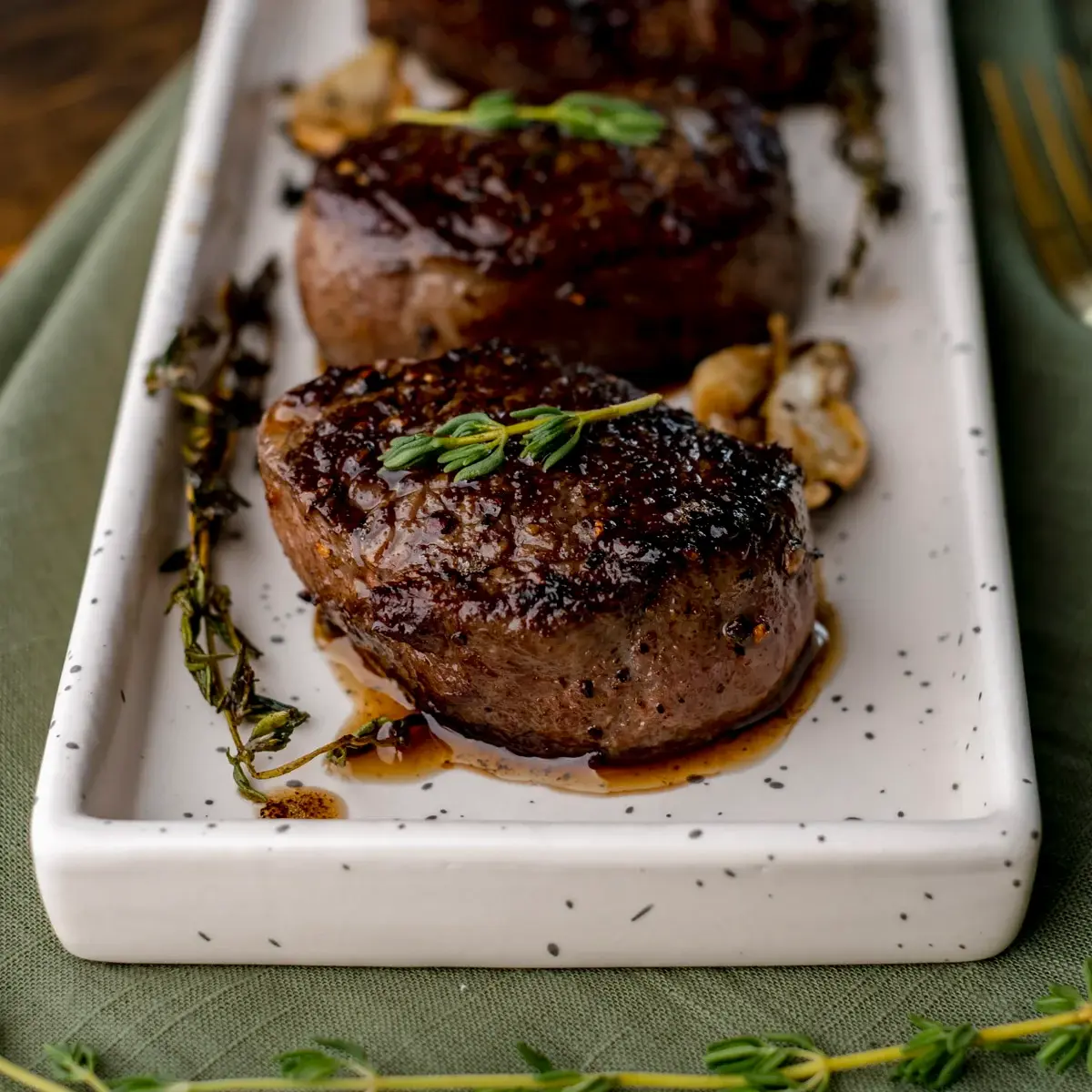
This is my "gold standard" method. It creates a gorgeous crust through the Maillard reaction while keeping the interior succulent.
Ingredients
- 1.5 lb Elk Tenderloin (trimmed)
- 2 tbsp Avocado oil (or any high-smoke point oil)
- 3 tbsp Unsalted butter
- 4 Garlic cloves, smashed
- 3 sprigs Fresh rosemary or thyme
- Flaky sea salt and freshly cracked black pepper
Instructions
1. Temper the Meat
Remove the elk from the refrigerator at least 45 minutes before cooking. If you put a cold tenderloin into a hot pan, the outside will overcook before the center even begins to warm. Pat the meat bone-dry with paper towels—moisture is the enemy of a good sear.
2. Season Generously
Season the meat with salt and pepper just before it hits the pan. If you salt it too early (and don't wait long enough), the salt will draw moisture to the surface and prevent that crust we’re looking for.
3. The Sear
Heat a heavy cast-iron skillet over high heat until the oil is shimmering and just starting to wisps of smoke. Lay the tenderloin in the pan, searing for about 3 minutes without moving it. Turn and sear the other side for another 2–3 minutes until a deep mahogany crust forms.
4. The Butter Baste (Arrosé)
Reduce the heat to medium. Toss in the butter, smashed garlic, and herbs. Once the butter foams, tilt the pan and use a large spoon to continuously pour that flavored fat over the elk. This "bastes" the meat, adding moisture and deep aromatic flavor.
5. The Rest
Check the internal temperature. When it hits 128°F, remove it immediately. Place it on a warm plate and pour the remaining pan juices over it. Tent it loosely with foil and let it rest for at least 10 minutes. This allows the muscle fibers to relax and reabsorb the juices.
Elevating the Dish: The Blackberry-Port Reduction
While elk is delicious on its own, it pairs beautifully with tart, acidic fruits that cut through its richness.
The Recipe: In the same pan you used for the elk, sauté a minced shallot. Deglaze the pan with ½ cup of Port wine or a dry Red Zinfandel, scraping up the browned bits (fond). Add ½ cup of beef or venison stock and a handful of fresh blackberries. Simmer until reduced by half. Finish with a cold pat of butter for a glossy, restaurant-quality sauce.
Alternative Method: The Reverse Sear
For thicker cuts of elk (over 2 inches), the reverse sear is foolproof.
- Low Oven: Place seasoned elk on a wire rack in a 225°F oven.
- Monitor: Cook until the internal temperature reaches 115°F.
- Flash Sear: Remove from the oven and sear in a screaming hot pan for only 45 seconds per side to get the crust. This method ensures an even, edge-to-edge pink interior.
Common Mistakes to Avoid
- Using Olive Oil for Searing: Extra virgin olive oil has a low smoke point. It will burn and turn bitter before the elk gets a crust. Stick to avocado, grapeseed, or ghee.
- Slicing Too Soon: If you cut into the meat the moment it leaves the pan, you will see a "puddle" on your cutting board. That puddle is the flavor leaving the meat. Wait the full 10 minutes.
- Over-seasoning: You don't need heavy rubs or "game" seasonings. Salt, pepper, garlic, and butter are all you need to let the natural quality of the elk shine.
Finishing Touches
When you finally slice into your elk tenderloin—cutting against the grain into thick medallions—you should see a beautiful, uniform rose-pink center. Serve it alongside roasted root vegetables, a wild rice pilaf, or a creamy parsnip purée.
Cooking elk tenderloin is more than just making dinner; it’s a celebration of a wild, sustainable resource. It requires patience and precision, but the reward is a culinary experience that no beef steak can ever truly match.