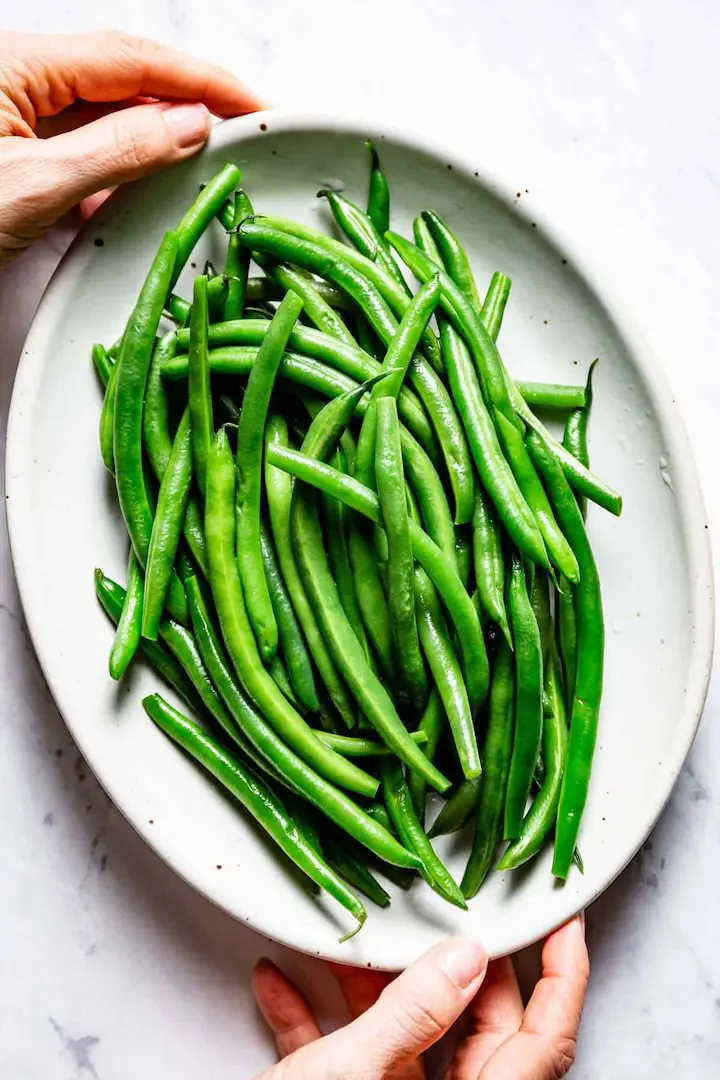
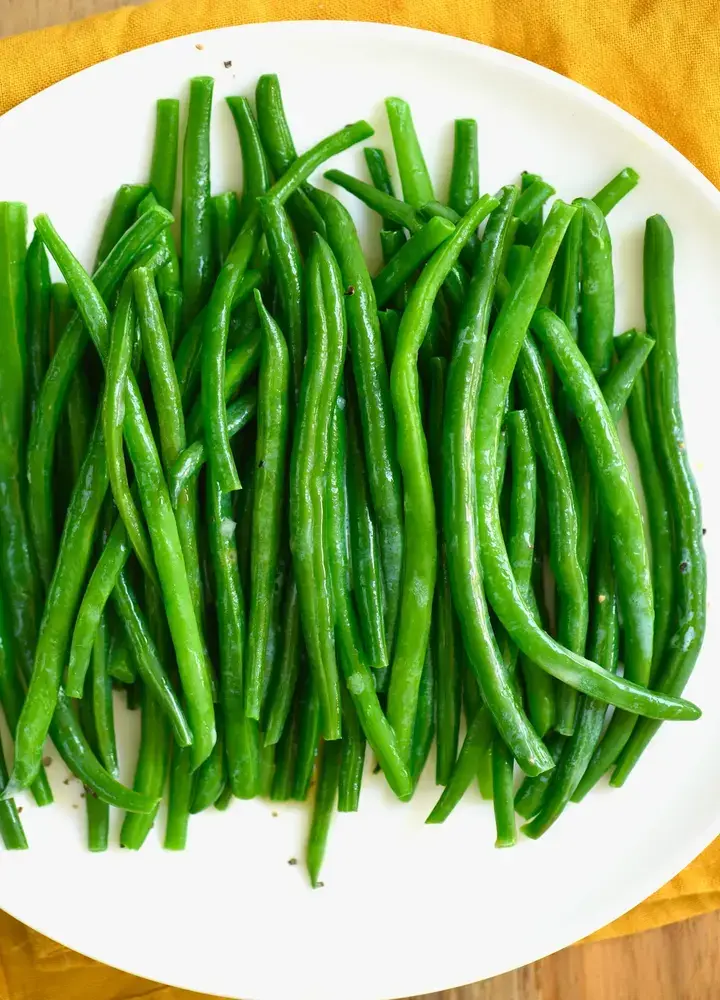
Green beans, or snap beans, are a popular vegetable because they are crunchy and taste fresh. They grow in long, thin pods that you can eat whole. These are common beans that are good for you as they have lots of vitamins A, C, and K. You can cook them in many ways: steam, boil, stir-fry, or eat them raw.
Not just that, this vegetable has a mild taste that goes well with many dishes, so you can use them in lots of recipes. The flavor is intensified further when you boil them. This article delves into process of boiling beans and what makes them special.
Ingredients
Here are the ingredients for boiling green beans, have a look:
1. Green Beans: The main ingredient. Fresh green beans are best for boiling as they have a crisp texture and vibrant color.
2. Water: Used to boil the green beans. It cooks the beans and softens them to the desired tenderness.
3. Salt (optional): Enhances the flavor of the green beans during the boiling process. You can skip it if you prefer a low-sodium option.
How To Boil Green Beans?
Boiling green beans is not that difficult job, however, the right way to boil definitely matters. If you have a good knowledge of boiling, then you can retain both taste as well as nutrition in your greens. Have a look at the proper guidance for boiling green beans in the below segment:
Ingredients
You need the following ingredients to make a proper boil in your green beans:
1 pound (450 grams) of fresh green beans
1 teaspoon of salt (for boiling water)
1 tablespoon of butter or olive oil (optional)
Salt and pepper to taste (optional)
Instructions
You need to follow several steps to boil the green beans, check out:
1. Prepare the Green Beans
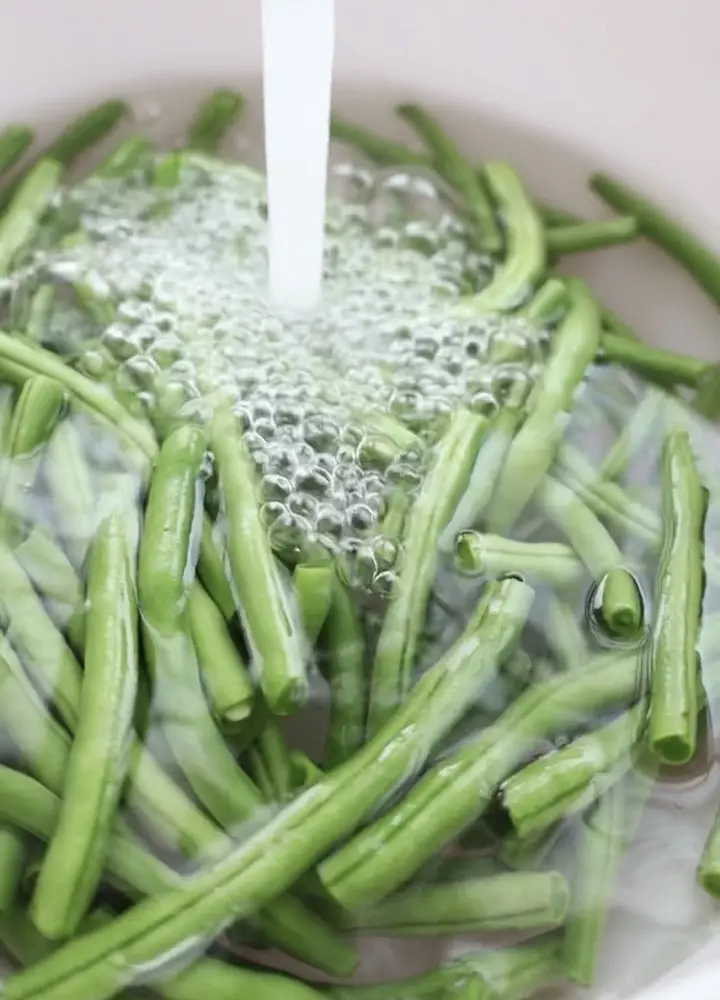
Wash 1 pound of fresh green beans thoroughly under running water to remove any dirt.
Then, trim the ends off the green beans using a knife or kitchen scissors. You can also leave them whole or cut them into smaller pieces, depending on your preference.
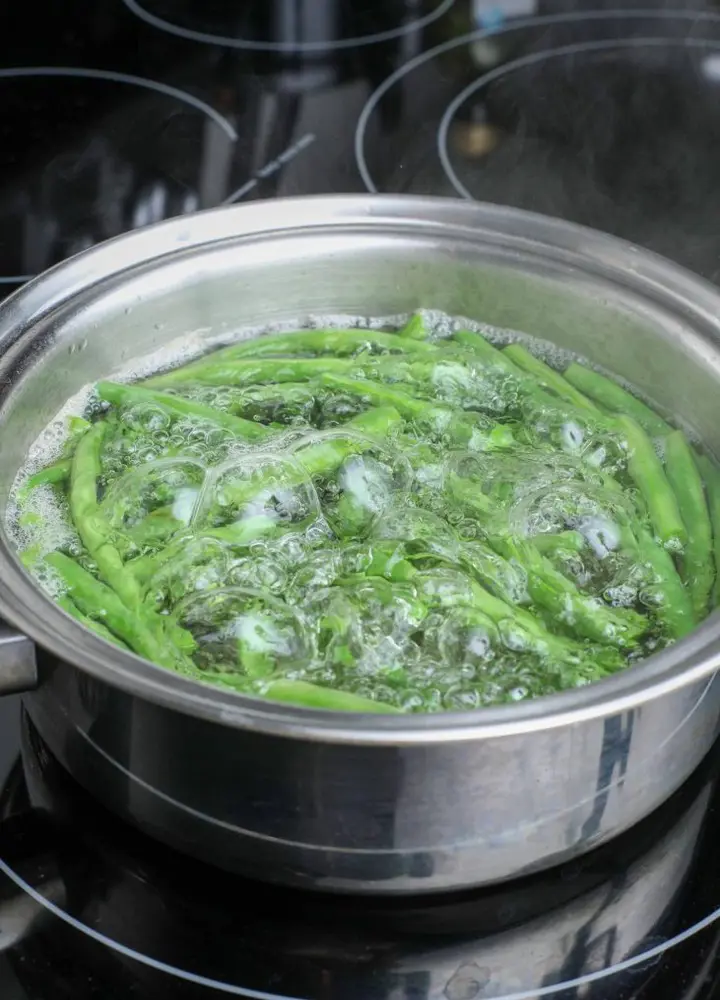
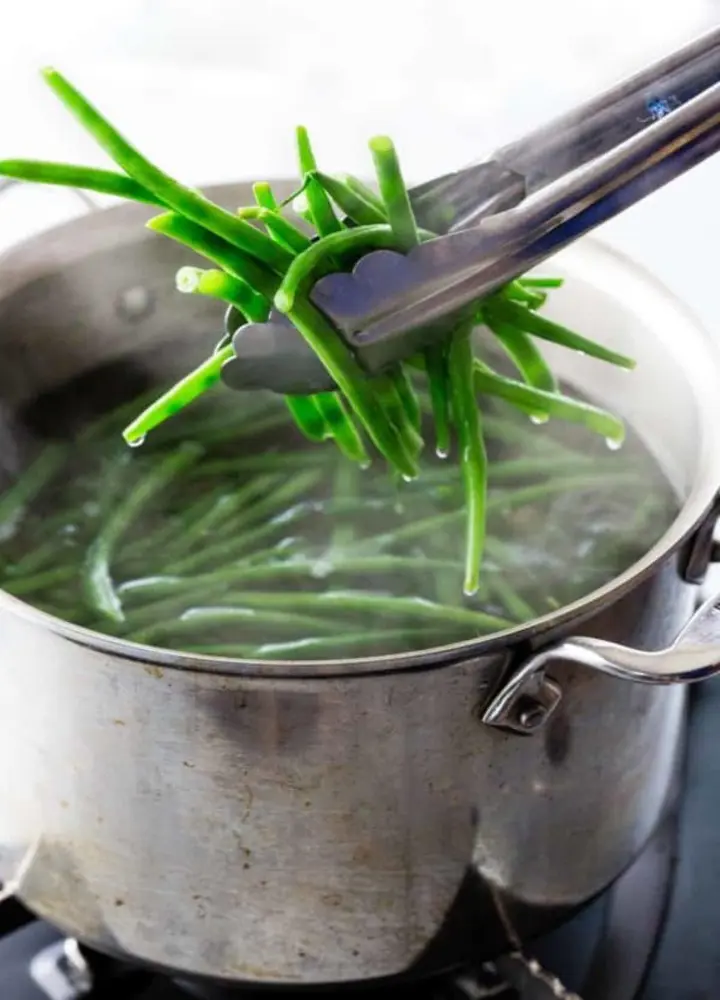
Boiling green beans typically takes about 5-7 minutes, depending on the desired texture. For a crisp-tender result, you can boil them for around 5 minutes. If you like them softer, then, you can extend the boiling time to about 7 minutes. You can begin by bringing a large pot of salted water to a rolling boil.
Overcooked green beans can become mushy and lose their vibrant green color, which looks unattractive as well. Once the beans reach your preferred texture, you can immediately drain them in a colander to stop the cooking process.
Optionally, you can rinse them with cold water to preserve their color and halt further cooking.
Tips For Boiling Green Beans
Boiling green beans is a responsible job. Certain missteps can lead to loss of both taste as well as nutrition, thereby wasting your time and hampering your health too.
Don't worry, you can make this process easy and quick with a few helpful tips:
1. Use Fresh Green Beans: The best way to boil is to choose fresh, firm, and bright green beans for the best flavor and texture. Avoid beans that are wilted or have brown spots.
2. Trim the Ends: Trim the ends off the green beans before boiling. This action makes them more tender and removes any tough parts.
3. Salt the Water: Adding a teaspoon of salt to the boiling water upgrades the flavor of the green beans and further helps retain their vibrant green color.
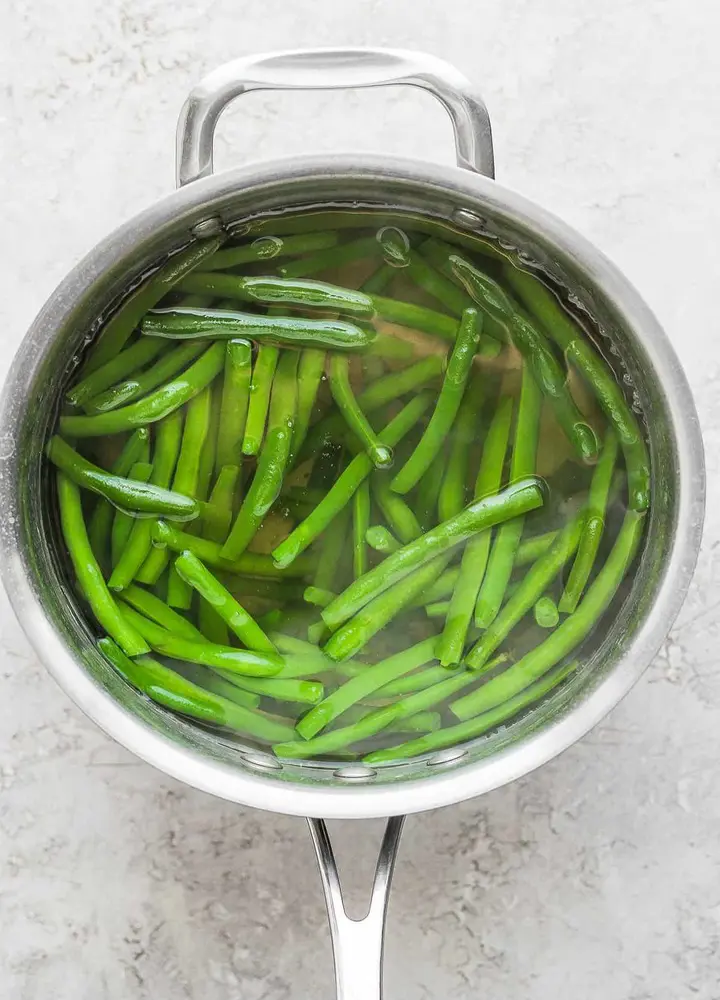
4. Use Plenty of Water: You can use a large pot with enough water to fully submerge the green beans. This ensures even cooking and prevents overcrowding.
5. Boil at a Steady Heat: After adding the green beans to the boiling water, you can reduce the heat to medium-high to maintain a steady boil. Boiling too vigorously can cause the beans to cook unevenly.
6. Check for Doneness: Boil the green beans for 5-7 minutes, depending on your preferred texture. For crisp-tender beans, you can boil for about 5 minutes. For softer beans, boil for up to 7 minutes. Then, test for doneness by biting into a bean.
7. Avoid Overcooking: Overcooked green beans can become mushy and lose their bright color. So, keep a close eye on them and check frequently to avoid overcooking.
8. Immediate Draining: Once the beans are cooked to your liking, you need to immediately drain them in a colander to stop the cooking process. You can also rinse them with cold water to preserve their color and texture.
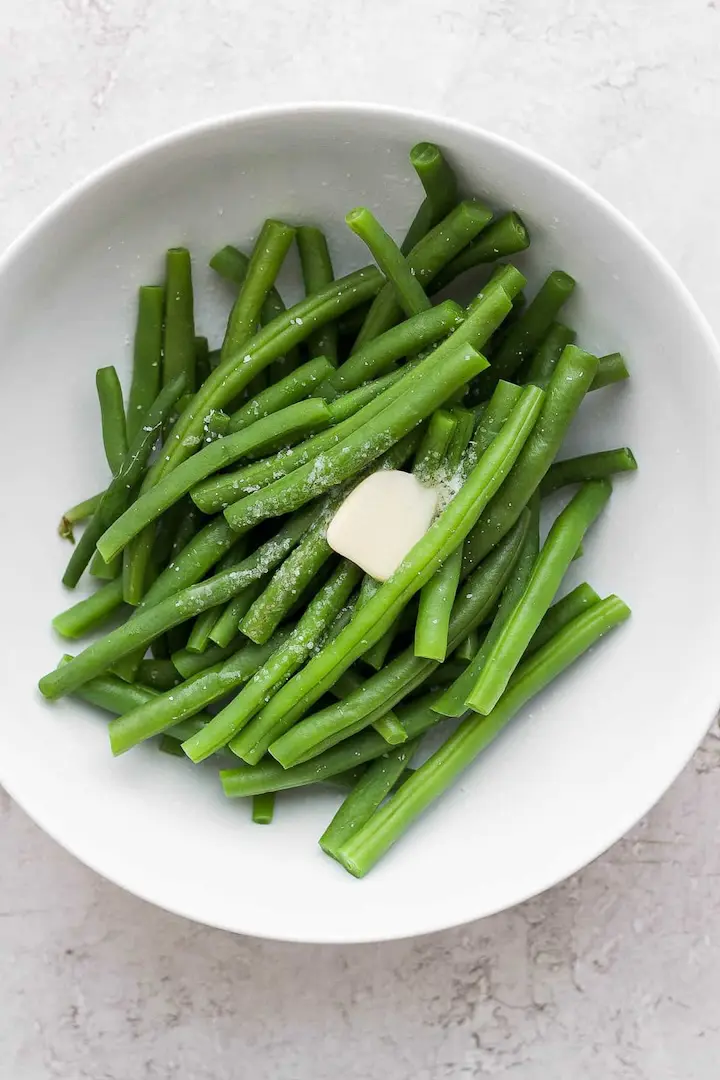
9. Seasoning: For extra flavor, toss the drained green beans with a bit of butter or olive oil and season them with salt and pepper to taste.
10. Serving: Serve the boiled green beans warm as a side dish, or use them in salads, casseroles, or other recipes.
Common Mistakes In Boiling Green Beans
Boiling green beans might seem straightforward, but several common mistakes can lead to less-than-ideal results. So, avoiding some common mistakes can provide a better result in the boiling process.
Here are some of the most frequent mistakes and how to avoid them, check out:
1. Using Old or Poor-Quality Beans: Old or wilted green beans won't taste as good and can have a tough texture. So, always use fresh, firm, and brightly colored beans for the best results.
2. Not Trimming the Ends: Failing to trim the ends can leave the green beans with tough, fibrous tips. So, be careful that you always trim both ends before boiling to ensure they cook evenly and have a tender texture.
3. Not Using Enough Water: Using too little water can cause uneven cooking. So, it's a better idea to always use a large pot with plenty of water to ensure the beans cook evenly.
4. Skipping the Salt: Adding salt to the boiling water improves the flavor and helps the beans retain their bright green color. Don’t forget to add about 1 teaspoon of salt to the water.
5. Overcrowding the Pot: If the pot is too crowded, the beans won't cook evenly. Hence, you need to ensure there is enough space for the beans to move around freely in the boiling water.
6. Boiling Too Vigorously: Boiling the beans too vigorously can break them apart and cause uneven cooking. After adding the beans, reduce the heat to maintain a gentle, steady boil.
7. Overcooking: Overcooked green beans become mushy and lose their vibrant color. Boil the beans for 5-7 minutes, checking for doneness frequently to ensure they remain crisp-tender.
8. Not Draining Immediately: Leaving the beans in the hot water after they are done cooking can cause them to overcook. So, drain them immediately once they reach the desired texture.
9. Skipping the Cold Rinse: Rinsing the beans with cold water immediately after draining can help stop the cooking process and preserve their color and texture. Skipping this step can lead to overcooked, dull-colored beans. So, make sure that you do not skip this step.
10. Not Seasoning: Boiled green beans can be bland without proper seasoning. After boiling, gently toss them with butter or olive oil and season with salt and pepper to enhance their flavor.
Storage
Properly storing boiled green beans ensures they stay fresh and safe to eat. Here are some tips for storing boiled green beans, have a look:
1. Cool Them Quickly
After boiling, you need to cool the green beans quickly to stop the cooking process and prevent bacterial growth. You can do this by draining them in a colander and then rinsing them with cold water.
2. Pat Them Dry
Gently pat the green beans dry with a clean kitchen towel or paper towel to remove excess moisture. This step helps prevent sogginess and freezer burn if you're freezing them.
3. Use an Airtight Container
You should store the cooled and dried green beans in an airtight container or a resealable plastic bag. Removing as much air as possible helps preserve their freshness.
4. Refrigeration
Store the airtight container or bag in the refrigerator. Boiled green beans can be kept in the refrigerator for up to 3-5 days.
5. Freezing for Longer Storage
If you need to store the green beans for a longer period, you can freeze them. Kindly, place the cooled and dried green beans on a baking sheet in a single layer and freeze until solid. Then you can transfer them to a freezer-safe bag or container. Frozen green beans can be stored for up to 10-12 months.
6. Labeling
Label the container or bag with the date so you can keep track of how long they've been stored.
7. Reheating
To reheat refrigerated or thawed green beans, you can quickly sauté them in a pan with a bit of butter or oil, or microwave them until heated through. Avoid overcooking during reheating to maintain their texture.
Ways to Use Boiled Green Beans
Boiled green beans are versatile and can be used in various delicious ways. Here are some ideas, check out:
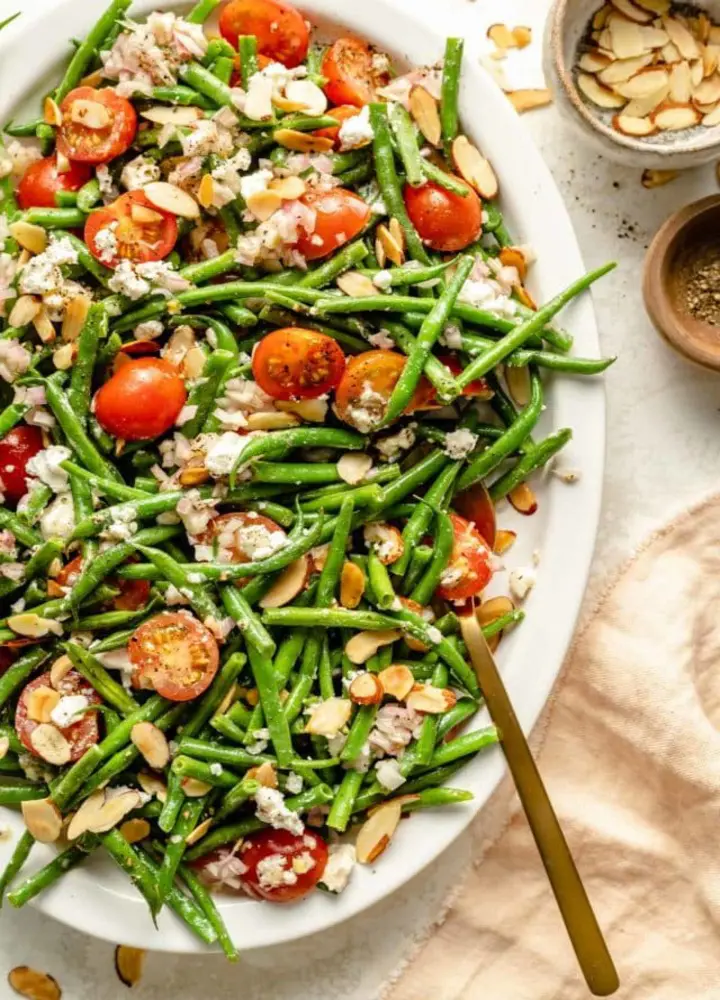
1. Green Bean Salad: Green bean salad is an easy and delicious side dish. Just toss boiled green beans with cherry tomatoes, red onion slices, feta cheese, and a simple vinaigrette dressing for a refreshing salad. It will provide a brilliant taste as well as good for health.
2. Green Bean Casserole: This is another best way to use boiled green beans. You can use them as a base for a classic green bean casserole, mixing them with cream of mushroom soup, crispy fried onions, and seasonings before baking. This can be a great meal option.
3. Stir-Fry: Add boiled green beans to a stir-fry with your choice of protein (chicken, beef, tofu), bell peppers, onions, and a stir-fry sauce for a quick and nutritious meal. You will love the outcome.
4. Green Bean Almondine: Saute boiled green beans with butter, garlic, and sliced almonds until the almonds are toasted and fragrant. Then, season with lemon juice, salt, and pepper and see the magic. This can be a delicious side dish that you can enjoy anytime.
5. Vegetable Medley: You can combine boiled green beans with other steamed or boiled vegetables like carrots, broccoli, and cauliflower. Season with herbs and a drizzle of olive oil for a healthy side dish.
6. Green Bean Pasta Salad: If you want variation with your favorite pasta recipe, then this can be the best option, Just mix boiled green beans with cooked pasta, cherry tomatoes, olives, fresh basil, and a tangy dressing (like balsamic vinaigrette) for a satisfying pasta salad.
7. Green Bean Soup: You can puree the boiled green beans with chicken or vegetable broth, garlic, onion, and herbs to make a creamy green bean soup. Serve hot with crusty bread, you will love it.
8. Side Dish: Serve boiled green beans simply seasoned with salt, pepper, and a drizzle of olive oil alongside grilled chicken, fish, or steak. This can also be consumed on holidays and special occasions. Try, this, you will love it.
9. Green Bean Wraps: Use large, sturdy lettuce leaves or tortillas to wrap boiled green beans with hummus, avocado slices, and other fresh vegetables for a light and healthy wrap.
10. Green Bean Dip: Blend boiled green beans with garlic, Greek yogurt or cream cheese, lemon juice, and herbs to make a creamy dip. Serve with pita bread or vegetable sticks.