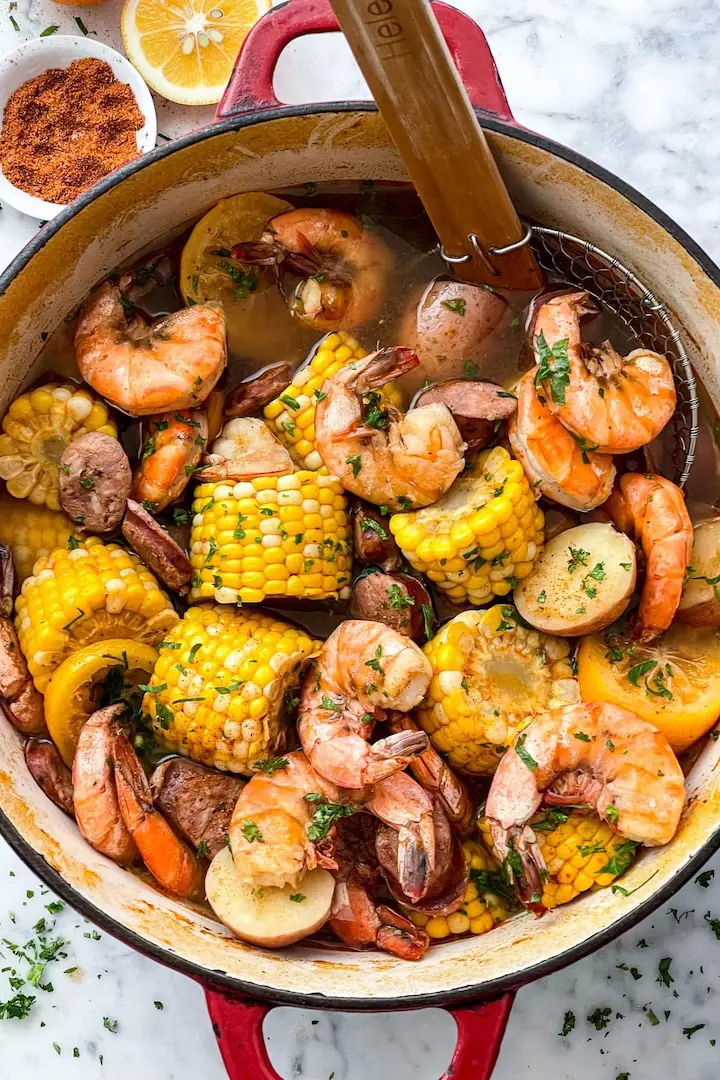
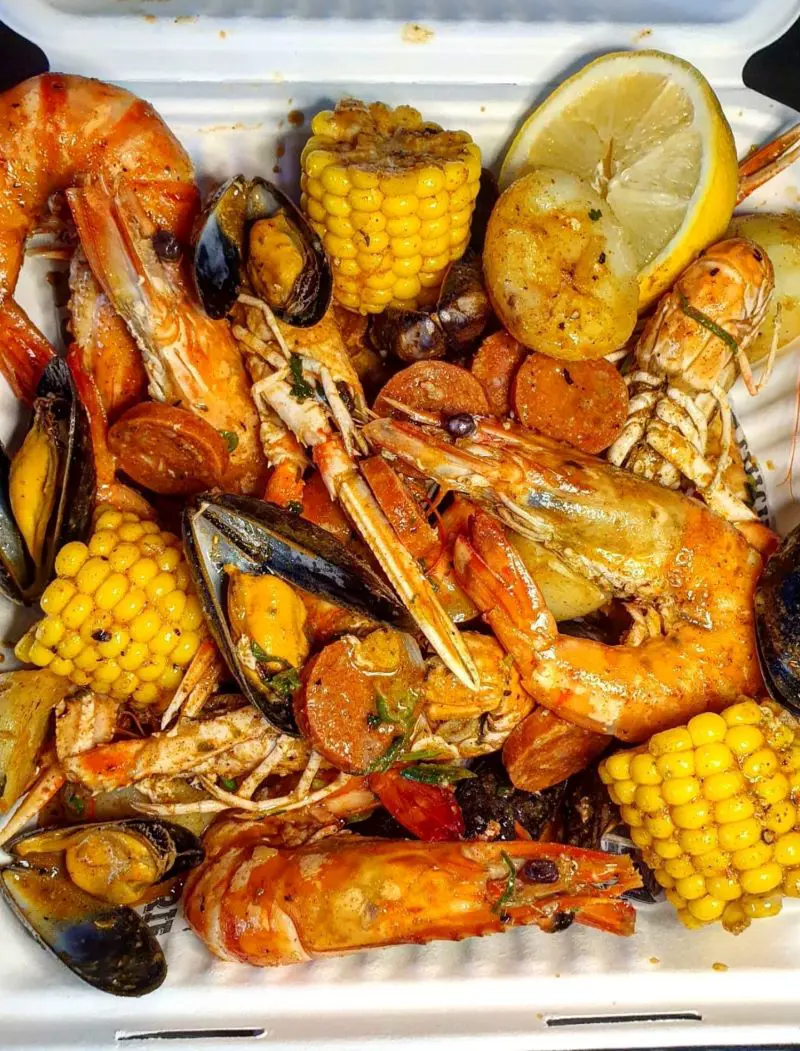
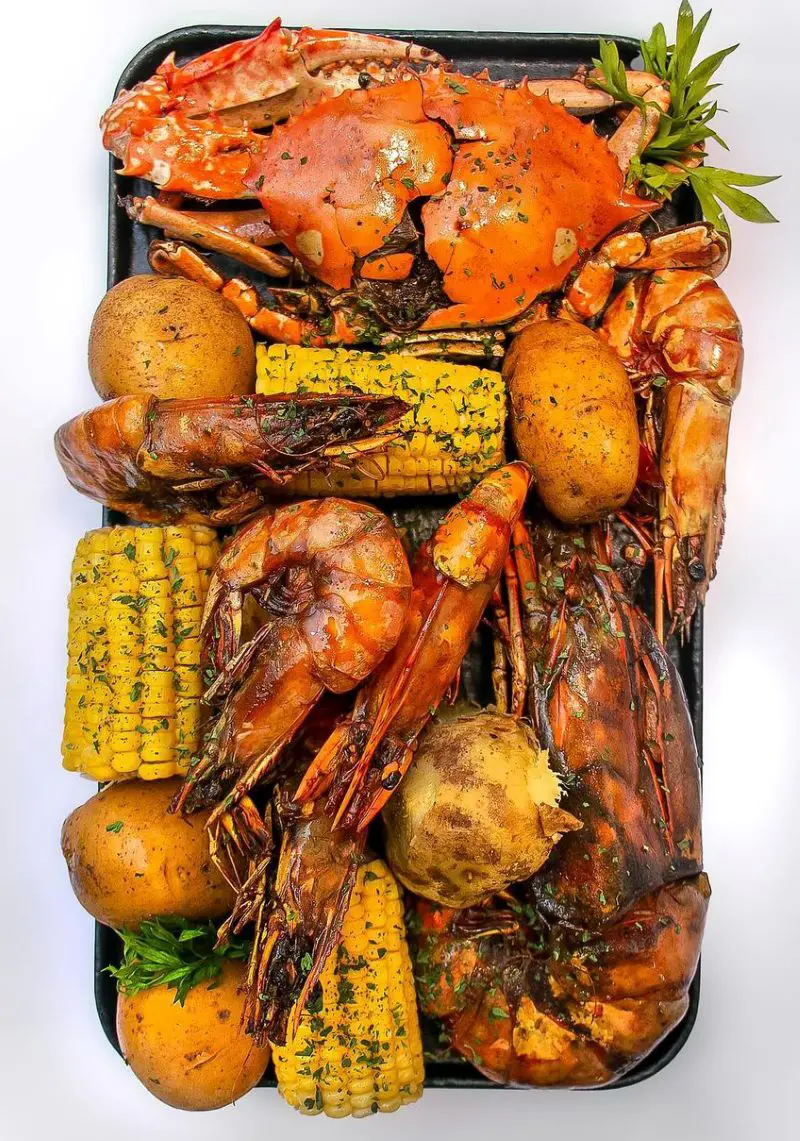
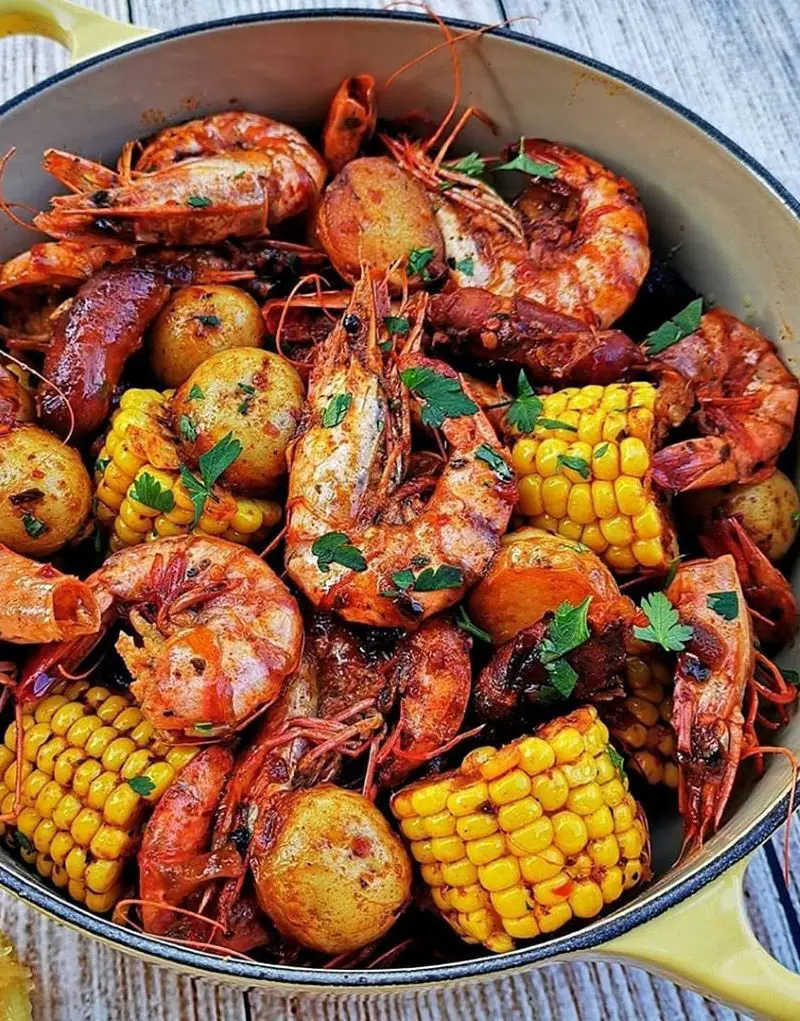
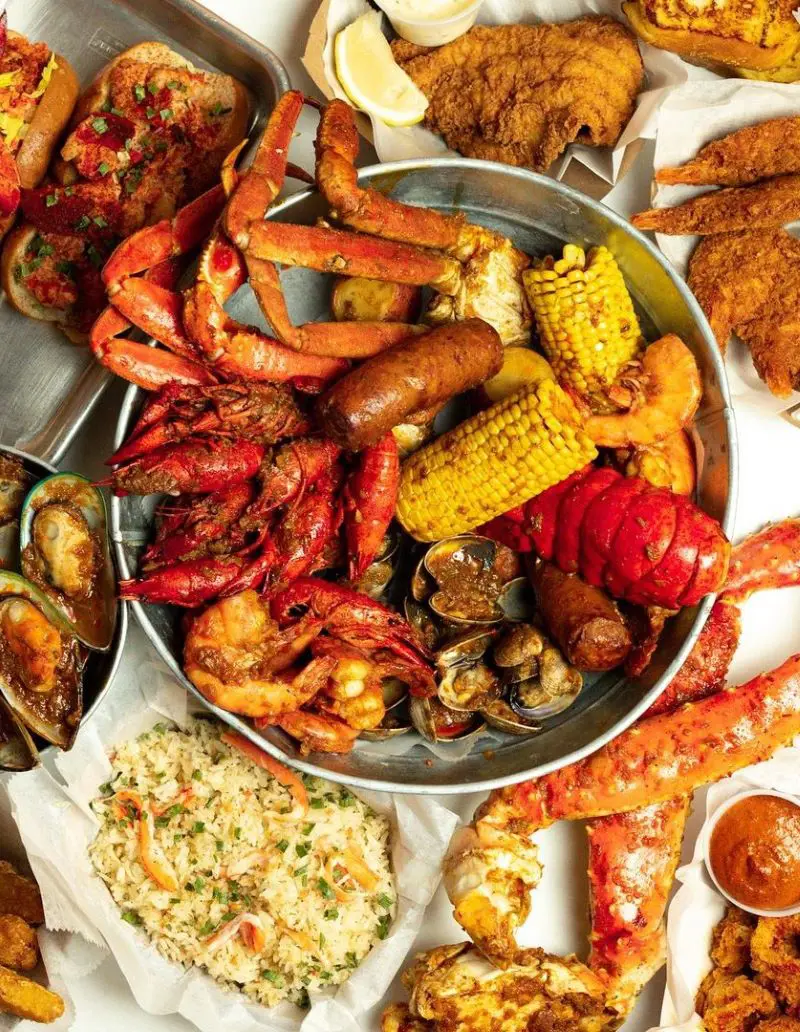
A seafood boil is always a hit. Big cheers to all the seafood enthusiasts! Steaming heaps of clams, crab legs, lobster tails, shrimp, corn, and potatoes spread across a newspaper-covered table brings back fond memories for all of us. This meal transforms any gathering into an instant celebration, inviting everyone to dive in.
Manners go out the window as you joyfully crack open shells and savor every bite with your hands. To achieve the perfect seafood boil, timing is crucial for adding each ingredient. Just thinking about it is enough to make your mouth water. Here's how to master the art of the seafood boil.
A seafood boil is a cooking method and communal dining experience where a variety of seafood, typically including shrimp, crab, clams, mussels, and lobster, is boiled with vegetables such as corn on the cob and potatoes. This meal often incorporates sausages and seasonings like Old Bay, Cajun spices, or other regional blends.
The cooked seafood and vegetables are then typically spread out on a newspaper-covered table for a rustic, hands-on feast. Accompanied by melted butter and dipping sauces, this meal encourages diners to dig in and savor the flavors with their hands.
Popular in coastal regions like the Lowcountry, Gulf Coast, and New England, a seafood boil is a festive and casual celebration of fresh, flavorful food.
Pick Your Shellfish Lineup
Feel free to customize your seafood boil with a variety of ingredients. A traditional mix often includes potatoes, sausage, corn on the cob, and two types of shellfish—a bivalve like clams or mussels, and a crustacean such as crab, lobster, or shrimp.
Adjust quantities based on your preference and the number of additional ingredients you plan to include. This flexible approach allows you to scale the recipe to suit any gathering, ensuring everyone can enjoy their favorite flavors in each savory bite.
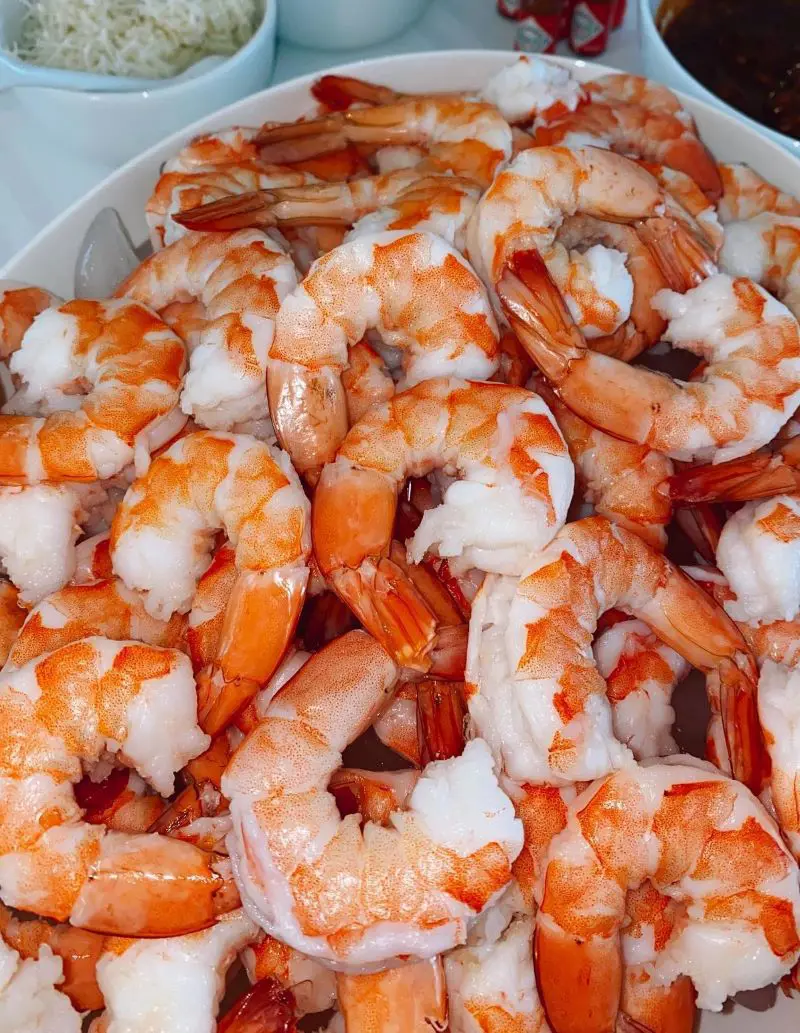
Shrimp is a staple ingredient in seafood boils, prized for its succulent texture and rich flavor. Commonly featured in seafood boil recipes, shrimp adds sweetness and a tender bite to the dish.
It's typically recommended to include a generous serving per person, ensuring each diner can enjoy this popular seafood alongside other ingredients.
The versatility of shrimp allows it to absorb the flavors of the seasoning blend, creating a burst of savory delight with every mouthful.
Crab
Crab is valued for its sweet, delicate meat and distinctive flavor, often enhancing the boil alongside other ingredients with its rich taste and tender texture. Whether enjoyed in its whole form or as clusters of crab legs, it adds a luxurious touch to the communal dining experience.
The shells are cracked open during the feast, allowing diners to savor every succulent bite with melted butter and zesty seasonings, making it a highlight of any seafood boil gathering.
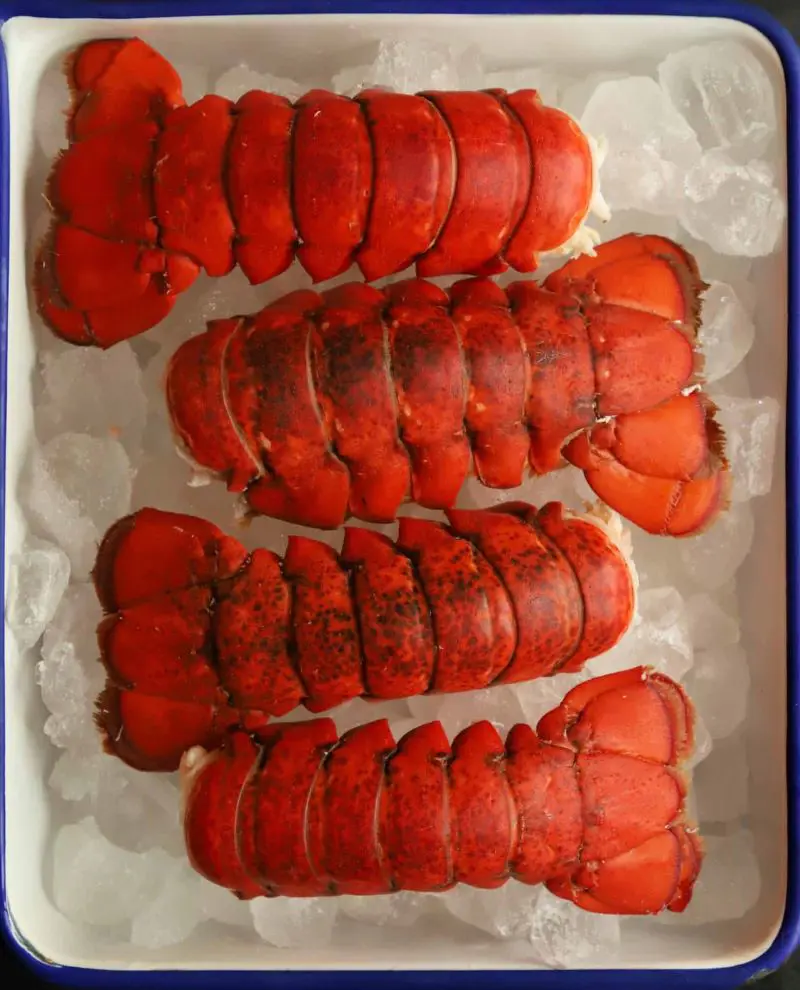
Lobster is a luxurious addition to a seafood boil, prized for its sweet, tender meat and briny flavor. When cooked alongside other shellfish, it enriches the boil with its rich taste and succulent texture, creating a gourmet dish that is both satisfying and indulgent.
Whether served as tender chunks or whole tails, its rich flavor complements the medley of shellfish and vegetables, making it a hearty dish perfect for sharing and savoring.
Clams
Clams are a classic and essential component of a seafood boil, renowned for their delicate flavor and tender texture. When added to the boil, they release their briny essence, enhancing the broth with a salty-sweet taste that melds beautifully with other seafood.
Whether steamed open or cooked in the shell, clams contribute a savory depth that makes the boil a savory delight.
Corn on the Cob
When boiled with seafood and spices, corn on the cob absorbs the savory flavors of the broth, enhancing its natural sweetness. The kernels become tender yet retain a satisfying crunch, making them a popular component that complements the briny taste of the seafood.
In a seafood boil, corn on the cob is often served cut into smaller pieces or whole, depending on personal preference.
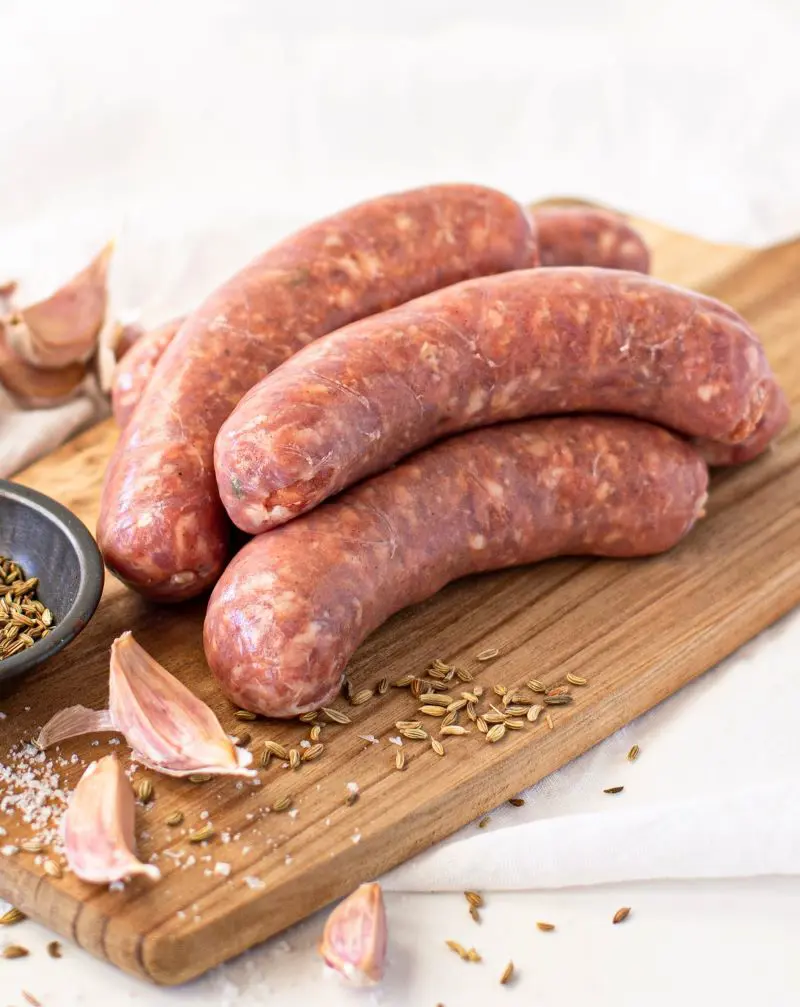
In a traditional seafood boil, sausages such as Andouille or smoked sausage are often included alongside other ingredients. The sausage adds depth and richness to the broth as it cooks, infusing it with its smoky, spicy flavors.
When served, the sausage in a seafood boil is usually sliced into chunks or left whole, depending on preference.
Its presence not only adds protein and substance but also enhances the communal and rustic nature of the meal, often enjoyed at gatherings or outdoor feasts.
Baby Red Potatoes
Baby red potatoes offer a creamy texture and a slightly sweet flavor that pairs perfectly with the briny seafood and savory spices. They hold their shape well during cooking, becoming tender and creamy on the inside while maintaining a firm texture.
This makes them ideal for absorbing the flavors of the broth and spices used in the boil. Their size also makes them convenient to cook and serve, either whole or halved depending on preference.
Equipment
To make a perfect seafood boil, you'll need the following equipment:
Large Stockpot: A large, sturdy pot (16 to 20 quarts) is essential for cooking all the seafood and vegetables together.
Steamer Basket: A steamer basket or insert can help you easily lift and drain the cooked seafood and vegetables.
Large Wooden Spoon: For stirring the ingredients and making sure everything cooks evenly.
Tongs: For safely handling hot seafood and vegetables.
Seafood Crackers: For cracking open crab legs and lobster tails.
Seafood Picks: For getting the meat out of the shells.
Large Platters or Trays: For serving the seafood boil.
Newspaper or Butcher Paper: To cover the table for easy cleanup and a traditional presentation.
Bowls for Shells: To discard shells and other waste.
Melted Butter Dishes: For dipping the seafood.
Cutting Board and Knife: For cutting corn and other vegetables before cooking.
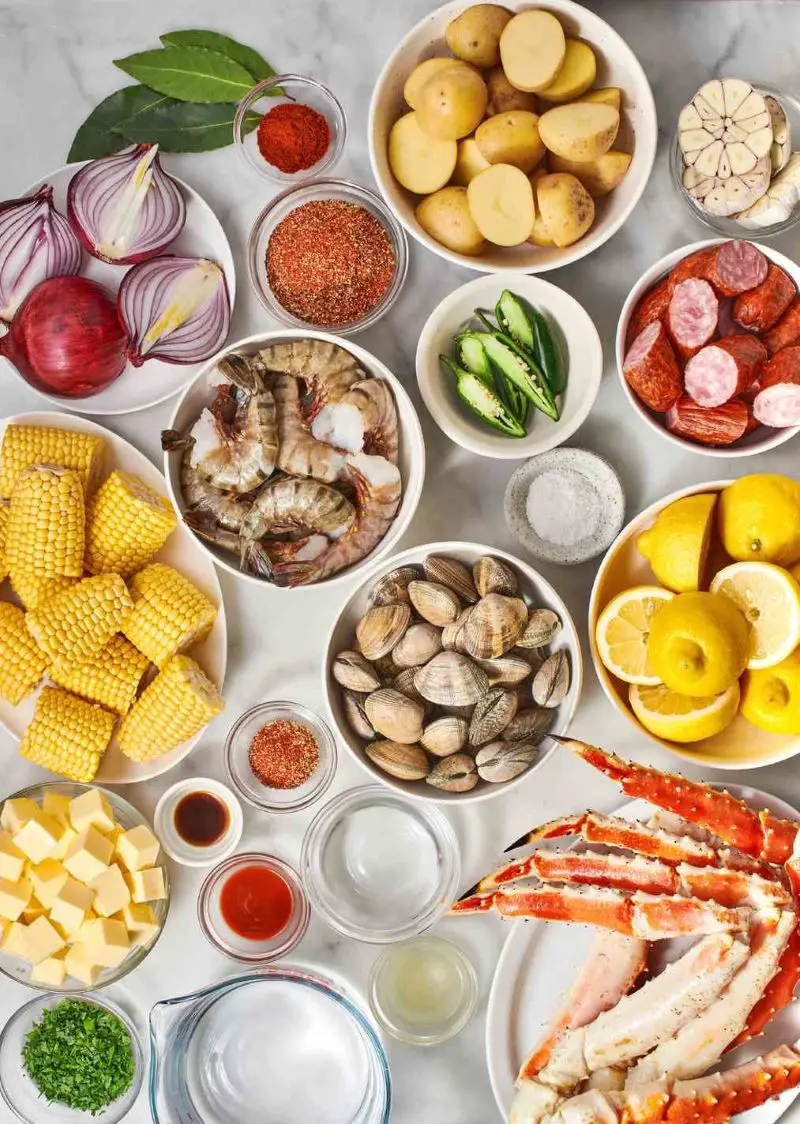
Shrimp (1-2 pounds, deveined and shell-on for better flavor)
Crab (2-4 whole crabs or crab legs)
Lobster Tail (2-4 lobster tails, split in half lengthwise)
Clams (2-3 pounds, scrubbed)
Broth Ingredients:
Water (8-12 quarts, depending on the quantity of seafood)
Salt (1/4 cup)
Lemon (2-3, halved)
Garlic (1 bulb, halved)
Onion (2, quartered)
Bay leaves (3-4)
Old Bay seasoning (1/4 cup, optional)
Black peppercorns (1-2 tablespoons)
Fresh herbs (like parsley or thyme, optional)
Other Ingredients:
Corn on the cob (4-6, halved)
Red potatoes (1-2 pounds)
Sausage (1-2 pounds, cut into 2-inch pieces)
Directions
1. Prepare The Seafood
Begin by thoroughly cleaning all your seafood. Rinse shrimp, crab, lobster, and clams under cold running water. For clams, soak them in cold water for about 20 minutes to purge sand and grit. If frozen, thaw crab legs, shrimp, and lobster tails in the refrigerator for approximately 36 hours.
2. Preparing the Broth
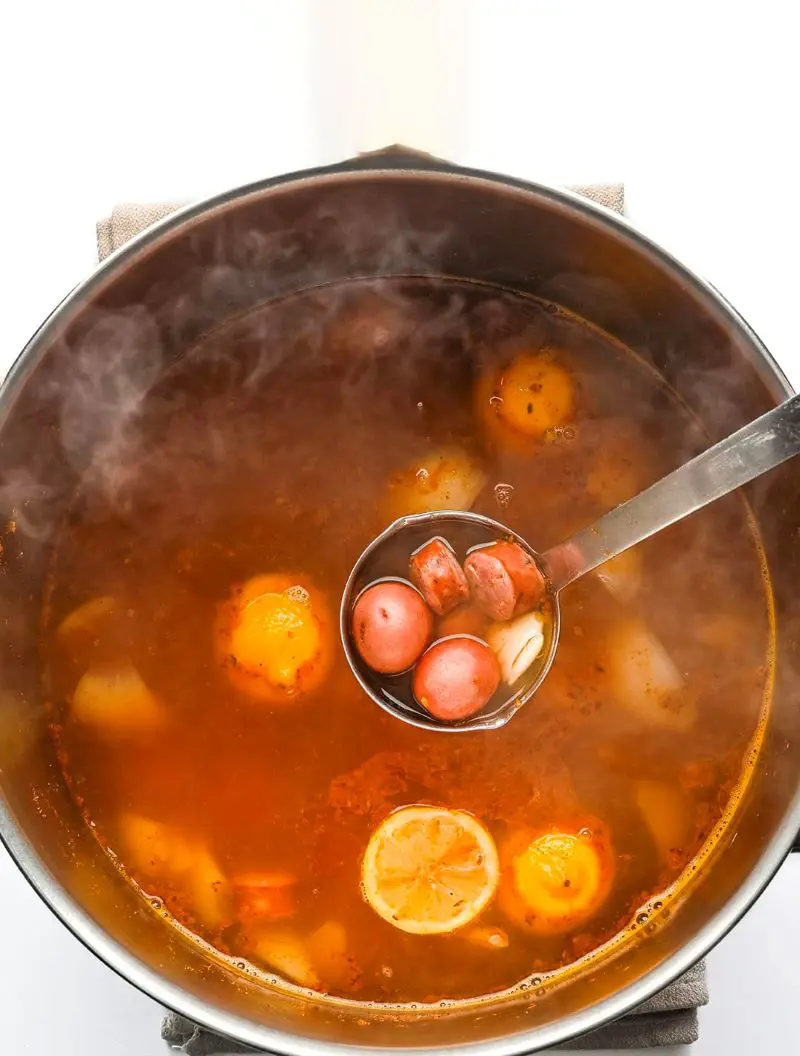
Fill the large stockpot with water, leaving enough space at the top to avoid overflow when adding the seafood. Add the salt, lemon halves, garlic halves, onion quarters, bay leaves, Old Bay seasoning (if using), black peppercorns, and fresh herbs (if using).
Bring the mixture to a rolling boil over high heat. This should take about 15-20 minutes.
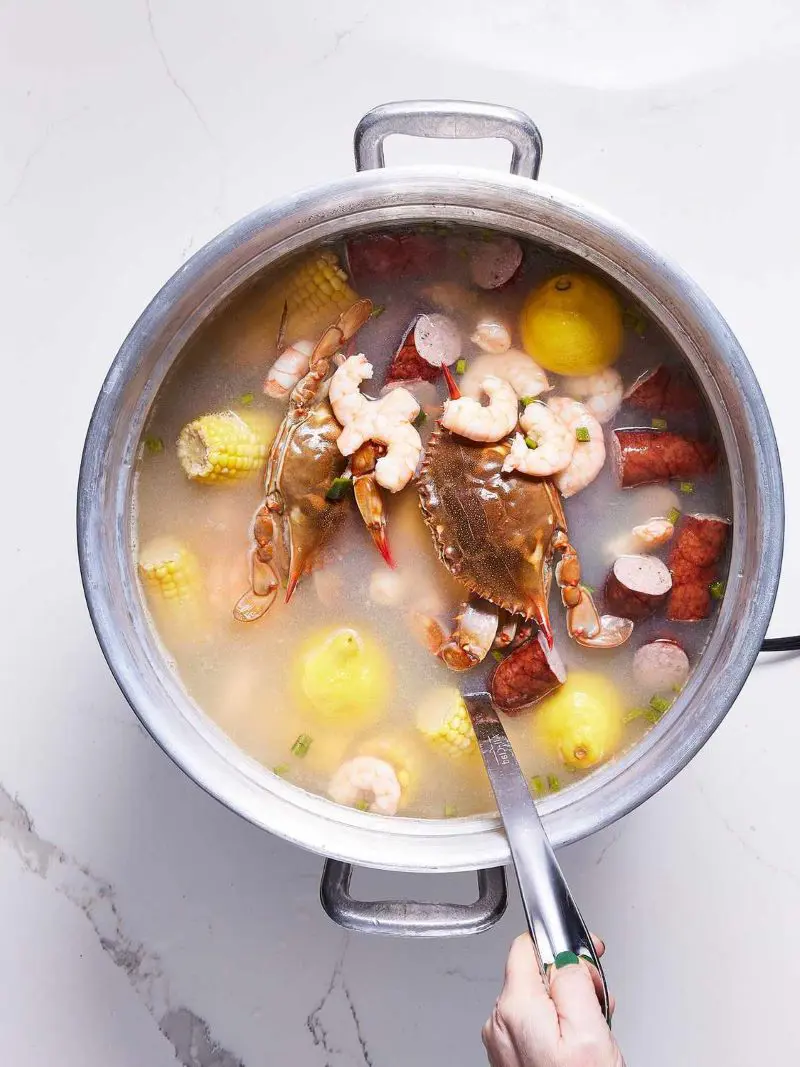
Carefully add each type of seafood to the boiling broth using long-handled tongs or a slotted spoon. Add in stages based on their cooking times to ensure nothing is overcooked. Stir the pot gently after each addition to ensure even cooking.
Cooking Times for Seafood
Different types of seafood require different cooking times. It’s crucial to add them to the boiling broth in stages to ensure everything is perfectly cooked.
Potatoes and Corn: If you’re adding potatoes and corn, add them first as they take longer to cook. Boil the potatoes for about 10-15 minutes until they start to become tender. Then, add the corn and cook for an additional 5-7 minutes.
Sausage: Add sausage pieces to the pot with the corn, allowing them to cook together for approximately 10 to 15 minutes. Choose from options like smoked or fully cooked sausage such as andouille, kielbasa, or linguica, or opt for sweet or spicy Italian sausage.
Clams: Add clams next. They typically take about 7-10 minutes to cook. They are done when their shells open up. Discard any that do not open.
Crab and Lobster: Add whole crabs or crab legs and lobster tails to the pot. Crabs typically take about 12-15 minutes to cook, while lobsters take about 10-12 minutes. The shells will turn a bright red when done.
Shrimp: Add shrimp last as they cook quickly. They only need about 2-3 minutes in the boiling water. They are done when they turn pink and opaque.
Once all the seafood is cooked, turn off the heat and use tongs or a slotted spoon to transfer the seafood, corn, potatoes, and sausage to a large colander to drain. Arrange the seafood and other ingredients on a large serving platter or directly on a table lined with newspaper or butcher paper for a casual, communal dining experience.
Serve with melted butter, lemon wedges, and additional seasoning as desired.
Broth Flavor: The broth's flavor is key to a great seafood boil. Don’t be afraid to taste and adjust the seasoning as needed.
Serving: A seafood boil is often served family-style. Provide plenty of napkins, seafood crackers for crab and lobster, and small bowls for discarding shells.
Fresh Corn on the Cob: Fresh corn on the cob is ideal for this recipe—choose from white, yellow, or bi-color corn for the best taste.
Seafood Variety: While the recipe suggests certain types of seafood, feel free to experiment with other options such as mussels, scallops, or chunks of firm fish such as swordfish.
Serve Hot: Serve your seafood boil promptly since seafood is perishable and is most enjoyable when freshly cooked.
You can store leftover seafood boil, but it's important to follow proper storage guidelines to ensure food safety and maintain quality. Here's how you can store it:
Refrigerating Seafood Boil
Cool it Down Quickly: After your seafood boil has cooled down to room temperature (but within 2 hours of cooking), transfer it to the refrigerator. This helps prevent the growth of harmful bacteria.
Use Airtight Containers: Place the seafood and any remaining broth or vegetables in airtight containers. This will help keep the food fresh and prevent it from absorbing any odors from other foods in the fridge.
Label and Date: It's a good practice to label the containers with the date you stored the food. This way, you can keep track of how long it's been in the fridge.
Storage Duration: Seafood boil can typically be stored in the refrigerator for up to 3-4 days. After this period, the quality and safety of the food may decrease.
Freezing Seafood Boil
Prepare for Freezing: If you plan to store the seafood boil for a longer period, you can freeze it. Ensure the seafood boil is cooled down before freezing.
Separate Components: It's often best to freeze the seafood, broth, and vegetables separately. This can help preserve the texture and flavor of each component.
Use Freezer-Safe Containers: Use freezer-safe bags or containers to store the food. Remove as much air as possible from the bags to prevent freezer burn.
Label and Date: Label the containers or bags with the date of freezing.
Storage Duration: Frozen seafood boil can be stored for up to 2-3 months. For the best quality, try to consume it within this timeframe.
Reheating Seafood Boil
Thawing: If frozen, thaw the seafood boil in the refrigerator overnight before reheating.
Reheating: Reheat the seafood boil on the stove over medium heat until it's heated through. Be careful not to overcook the seafood, as it can become tough and rubbery.
Microwave: You can also use the microwave to reheat smaller portions. Cover the container with a microwave-safe lid or wrap to retain moisture, and heat in short intervals, stirring in between.
A seafood boil can stand alone, though many enjoy pairing it with additional side dishes to complete the meal. Consider options like a crisp green salad, crusty French or sourdough bread, potato salad, or coleslaw.
For simplicity, garlic bread and a green vegetable such as zucchini, asparagus, or green beans are often preferred. The combination of tender seafood, creamy potatoes, smoky sausage, and sweet corn creates a delightful feast, especially for entertaining guests—it's sure to leave everyone wanting seconds!