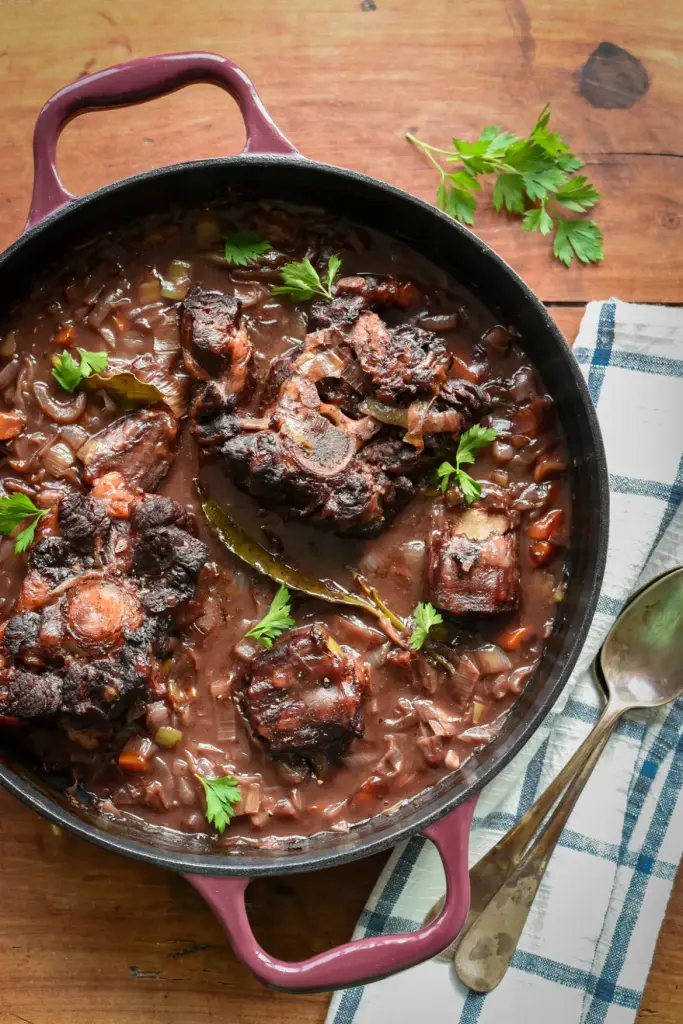
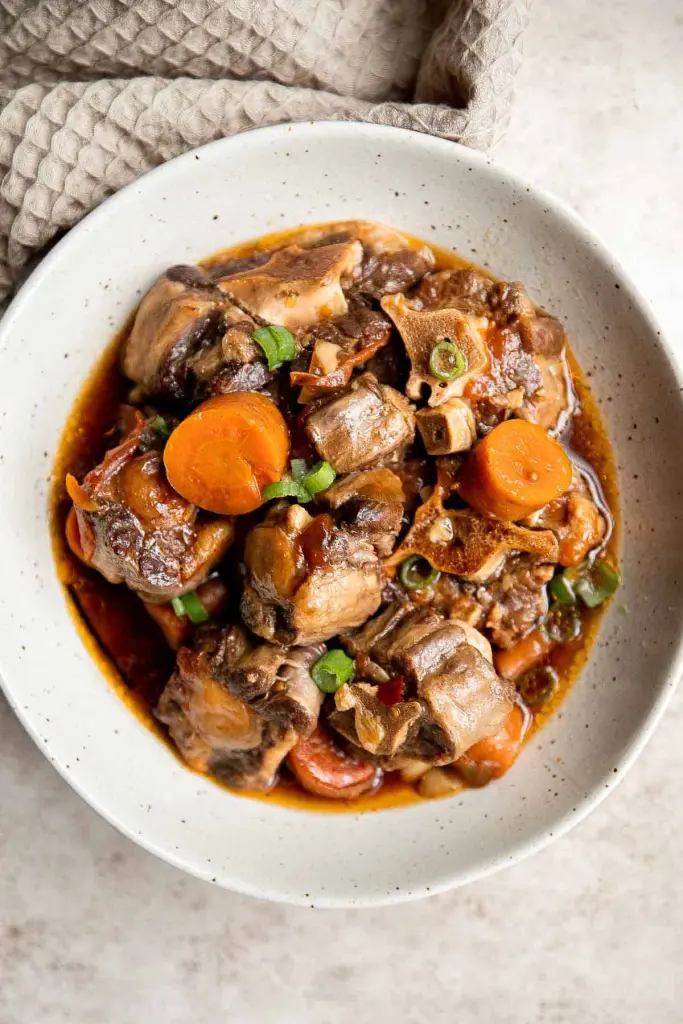
Oxtails are a flavorful cut of meat that can make for a delicious and comforting meal. This bony part from the tail of cattle is known for its rich taste and tender texture when cooked properly. While it might seem tricky at first, learning how to cook oxtail is more about patience than complicated techniques.
The key is slow cooking, which helps break down the tough connective tissues and release the meat's full flavor. Whether you choose to braise, stew, or use a pressure cooker, the result is a satisfying dish that's perfect for family dinners or special occasions.
Ingredients Required For Cooking Oxtails
Olive oil
A cornerstone of Mediterranean cuisine, olive oil is pressed from whole olives. Extra virgin olive oil, the highest quality, is prized for its complex flavors ranging from peppery to grassy. It's rich in antioxidants and has anti-inflammatory properties.
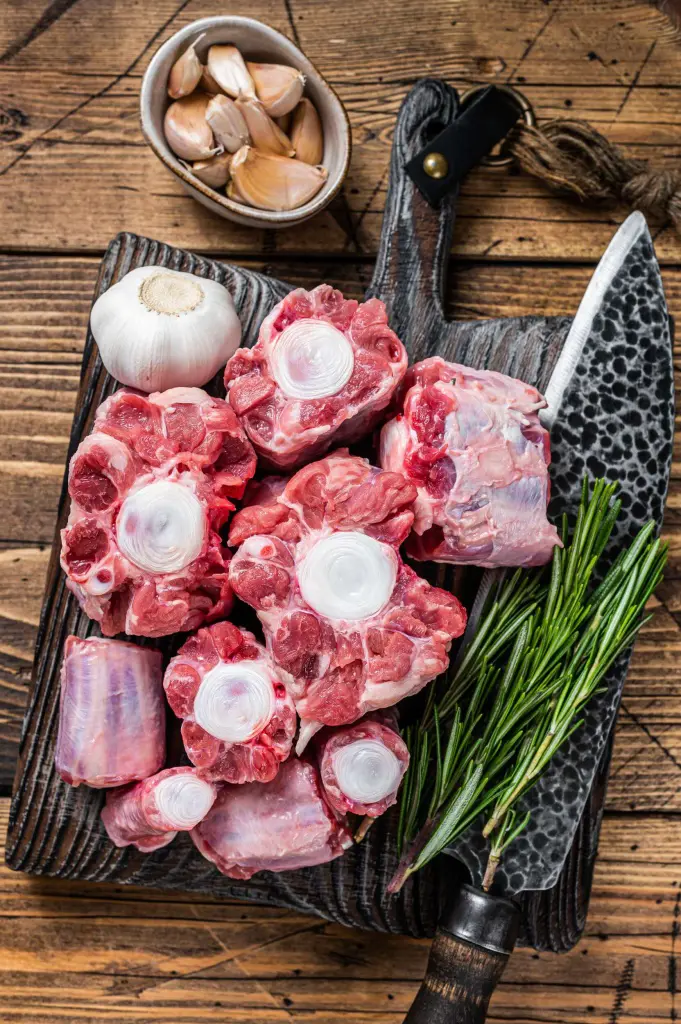
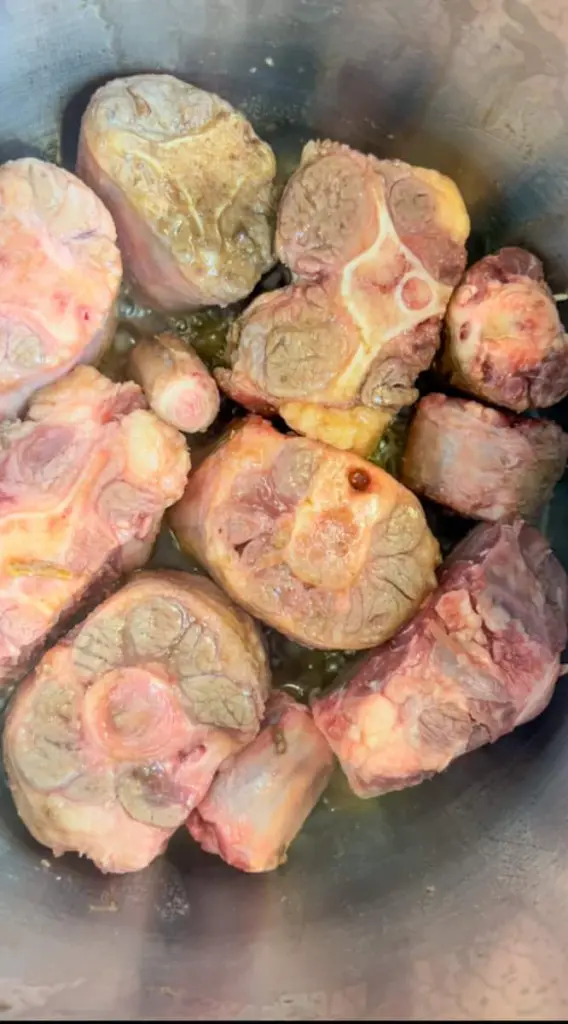
These bony, gelatin-rich meat cuts come from the tail of beef cattle. They require long, slow cooking to become tender, but the result is incredibly flavorful, succulent meat that falls off the bone. The marrow in the bones adds richness to the stew.
Salt and pepper
Salt is not just a flavor enhancer, but also a preservative and tenderizer. It helps break down proteins in meat. Black pepper, the dried fruit of the Piper nigrum plant, adds a sharp, piney flavor and slight heat. Freshly ground pepper provides the best flavor.
Onion
A member of the allium family, onions contain sulfur compounds that give them their pungent smell and taste. When cooked, these compounds break down, resulting in a sweeter flavor. Onions also add moisture and body to dishes.
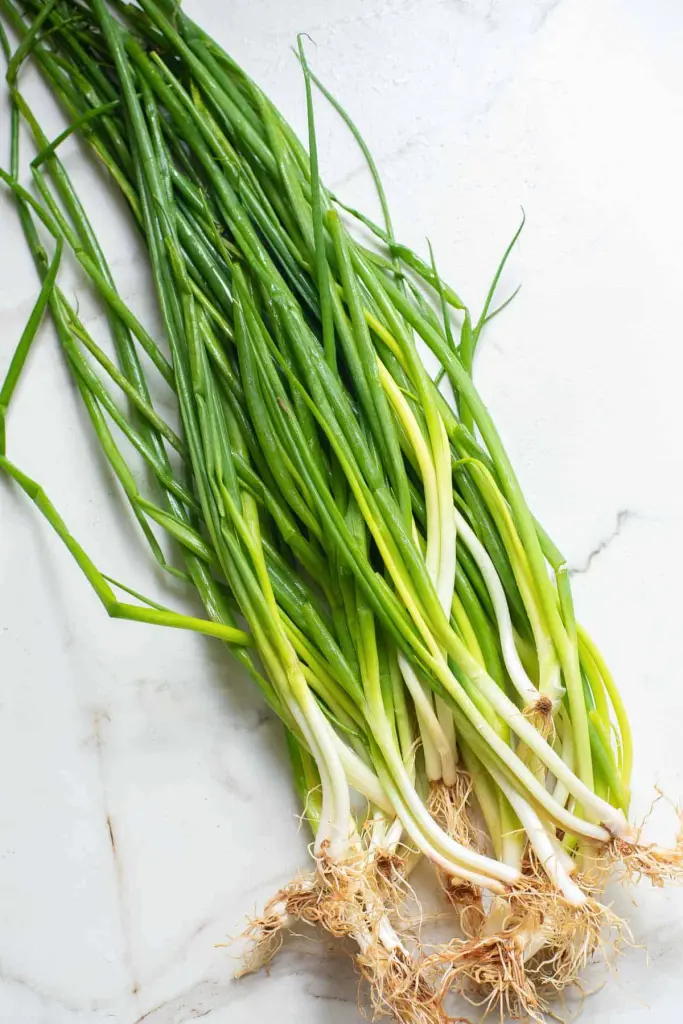
Also called scallions, these have a milder, fresher taste than mature onions. The white part is more pungent, while the green tops have a more delicate flavor. They add a pop of color and fresh flavor when used as a garnish.
Garlic
Another allium, garlic is known for its strong, pungent flavor when raw, which mellows and sweetens as it cooks. It's rich in allicin, a compound with potential health benefits. Crushing or mincing garlic releases more of its oils and flavors.
Ginger
This rhizome has a spicy-sweet flavor and aroma. It contains gingerol, a compound with powerful anti-inflammatory properties. Fresh ginger provides the most potent flavor and can be grated, minced, or sliced for use in cooking.
Tomato paste
This is made by cooking tomatoes for several hours, straining out the seeds and skins, then cooking the pulp again to reduce moisture. The result is a thick, intense tomato concentrate that adds depth and umami to dishes.
Habanero pepper
One of the hottest chili peppers, habaneros measure 100,000-350,000 on the Scoville scale. They have a fruity, floral aroma beneath their intense heat. Always handle with care, as the oils can irritate skin and eyes.
Seasonings
Allspice: Despite its name, it's a single spice, the dried unripe fruit of the Pimenta dioica plant. It tastes like a blend of cinnamon, nutmeg, and cloves.
Smoked paprika: Made from smoke-dried peppers, it adds a rich, smoky flavor without heat.
Thyme: An herb with tiny leaves, it has a minty, slightly lemony flavor.
Bay leaves: Large, flat leaves used whole and removed before serving. They add a subtle bitterness and depth.
A fermented paste of soybeans, roasted grain, brine, and Aspergillus oryzae mold. It's rich in umami flavor and can add depth to non-Asian dishes as well.
Beef broth
Made by simmering beef bones, meat, and vegetables. It's rich in gelatin and provides a savory base for the stew. Homemade broth often has the most flavor, but good quality store-bought versions work well too.
Lima beans
Large, flat, pale green or white beans with a creamy texture when cooked. They're high in fiber and protein. Also known as butter beans in some regions.
Cornstarch
A fine, powdery starch extracted from corn kernels. It's an effective thickener that creates a glossy finish in sauces. Always mix with cold liquid before adding to hot dishes to prevent lumps.
How To Cook An Oxtail
Ingredients
2 tablespoon olive oil
3-4 pounds oxtails
½ teaspoon salt
½ teaspoon pepper
2 teaspoon fresh ginger
1 habanero
1 large onion
6 cloves garlic
¼ teaspoon allspice
½ teaspoon smoked paprika
¼ cup tomato paste
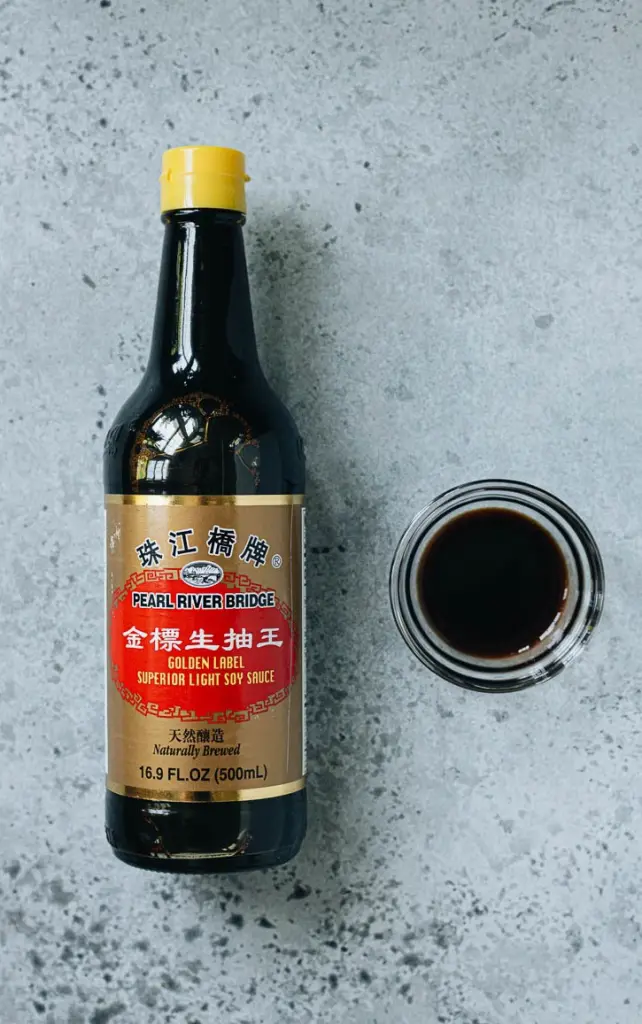
2 tablespoon soy sauce
4-6 cups beef broth
4 sprigs fresh thyme
2 bay leaves
15 ounce lima beans
1 tablespoon cornstarch
3 green onions
How To Prepare Oxtails
This step-by-step detail will walk you through the process of creating a delicious oxtail dish, perfect for a hearty meal.
1. Searing the Oxtails
Begin by heating olive oil in a large braiser or Dutch oven over medium-high heat. Season the oxtails generously with salt and pepper. Once the oil is hot, carefully place the oxtails in the pot and sear them on all sides until they develop a beautiful brown crust. This process may need to be done in batches to avoid overcrowding the pot, which would prevent proper browning.
The searing step is crucial as it locks in flavors and creates a foundation for the rich taste of the final dish. Once browned, transfer the oxtails to a plate and set them aside.
In the same pot, add diced onions and cook them until they become translucent and soft, which usually takes about 3-5 minutes. This process, known as sweating, releases the onions' natural sweetness.
Next, add minced garlic, grated ginger, and finely chopped habanero pepper. Stir these aromatics and cook for another minute, allowing their flavors to bloom and permeate the oil.
3. Making the Sauce
To develop a complex flavor profile, add ground allspice and smoked paprika to the pot. Then, incorporate soy sauce and tomato paste. Cook this mixture for 2-3 minutes, stirring frequently. This step allows the tomato paste to caramelize slightly, intensifying its flavor and adding depth to the sauce.
4. Braising the Oxtails
Return the seared oxtails to the pot, nestling them into the aromatic base. Pour in beef broth, which will serve as the braising liquid. Add fresh thyme sprigs and bay leaves for additional flavor. Bring the liquid to a boil, then reduce the heat to low.
Cover the pot with a lid, leaving it slightly ajar to allow some steam to escape. This slow cooking process, known as braising, will continue for about 2 hours, slowly breaking down the tough connective tissues in the oxtails and making them tender.
5. Adding Beans and Finishing the Braise
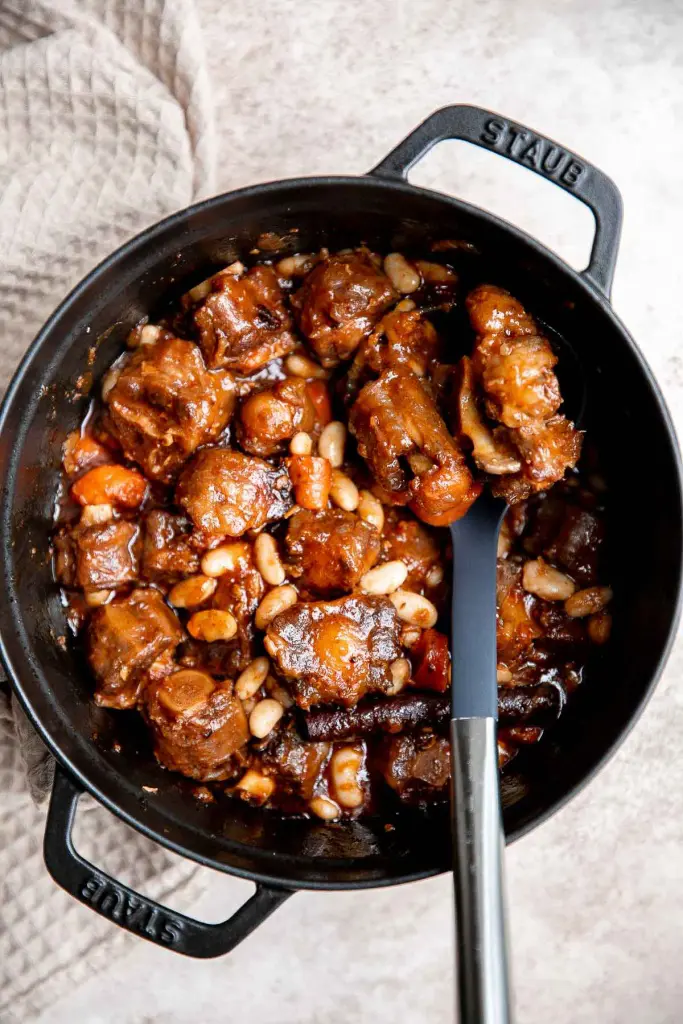
After 2 hours, remove the lid and stir in butter beans. These will absorb the flavorful liquid and provide a creamy texture to the dish. Continue to simmer uncovered for another 30-45 minutes.
This final cooking stage allows the sauce to reduce and thicken slightly while the beans warm through and absorb the flavors.
Remove the bay leaves and thyme sprigs from the pot. In a small bowl, whisk cornstarch with a tablespoon of water to create a slurry. This mixture will help thicken the sauce without creating lumps.
Stir the slurry into the pot and increase the heat to medium. Stir continuously until the sauce thickens to your desired consistency.
7. Serving
Finally, garnish your oxtail dish with freshly chopped green onions. This adds a fresh, crisp element that contrasts beautifully with the rich, tender meat and sauce.
Oxtail typically takes 3 to 4 hours to cook properly, depending on the cooking method and desired tenderness. This long cooking time is necessary to break down the tough connective tissues and render the meat tender and flavorful.
When braising or slow-cooking oxtail, which are the most common methods, you'll want to simmer it on low heat for at least 3 hours. Some recipes may call for up to 5 hours of cooking time. The goal is to cook the oxtail until the meat is falling off the bone and has a rich, melt-in-your-mouth texture.
If using a pressure cooker or Instant Pot, you can reduce the cooking time to about 45 minutes to an hour under high pressure, followed by a natural pressure release. However, some cooks prefer the traditional slow-cooking method for developing deeper flavors.
Regardless of the method, it's important to cook oxtail low and slow. Rushing the process can result in tough, chewy meat. The extended cooking time allows the collagen to break down into gelatin, creating a luxurious, silky texture in both the meat and the surrounding sauce or gravy.
Tips For Making Perfect Oxtail
Oxtail is a flavorful and rich cut of meat that, when cooked properly, yields a tender and succulent dish. While it requires time and patience, the result is well worth the effort.
To help you achieve the perfect oxtail dish, here are some valuable tips to keep in mind:
Trim excess fat before cooking to avoid a greasy final dish.
Brown the oxtail pieces before braising to develop a deeper flavor.
Use a flavorful liquid like beef broth or red wine for braising.
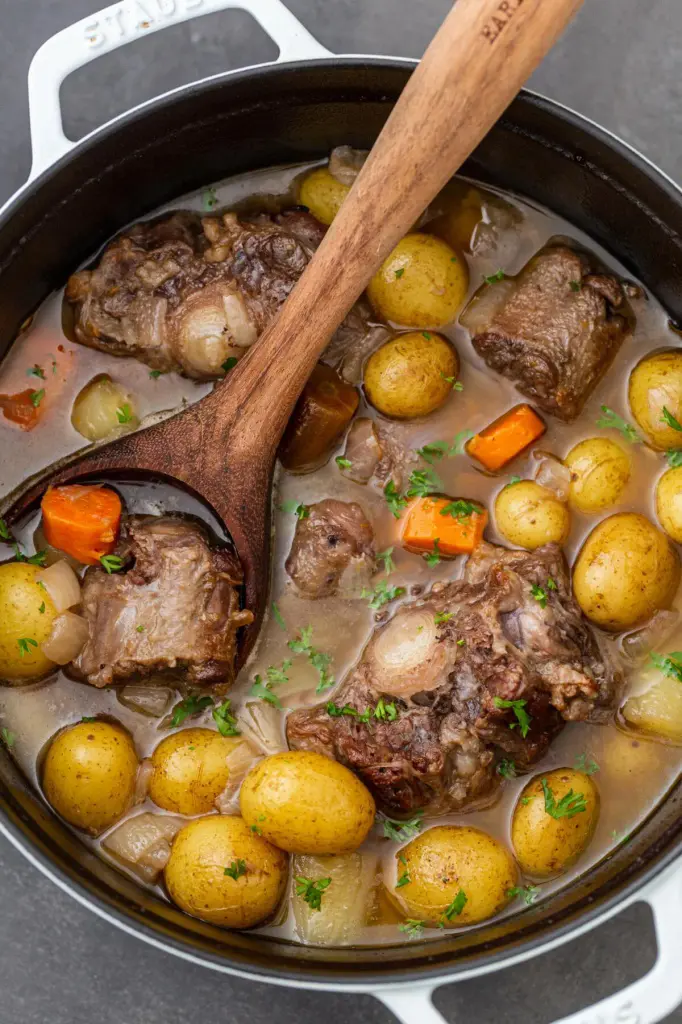
Add aromatic vegetables like onions, carrots, and celery to enhance the taste.
Cook low and slow - patience is key for tender oxtail.
Skim off any excess fat that rises to the surface during cooking.
Let the oxtail cool in its cooking liquid for added flavor absorption.
If possible, cook a day ahead and refrigerate overnight to allow flavors to meld.
Remove solidified fat from the surface before reheating.
Serve with the braising liquid reduced into a rich sauce.
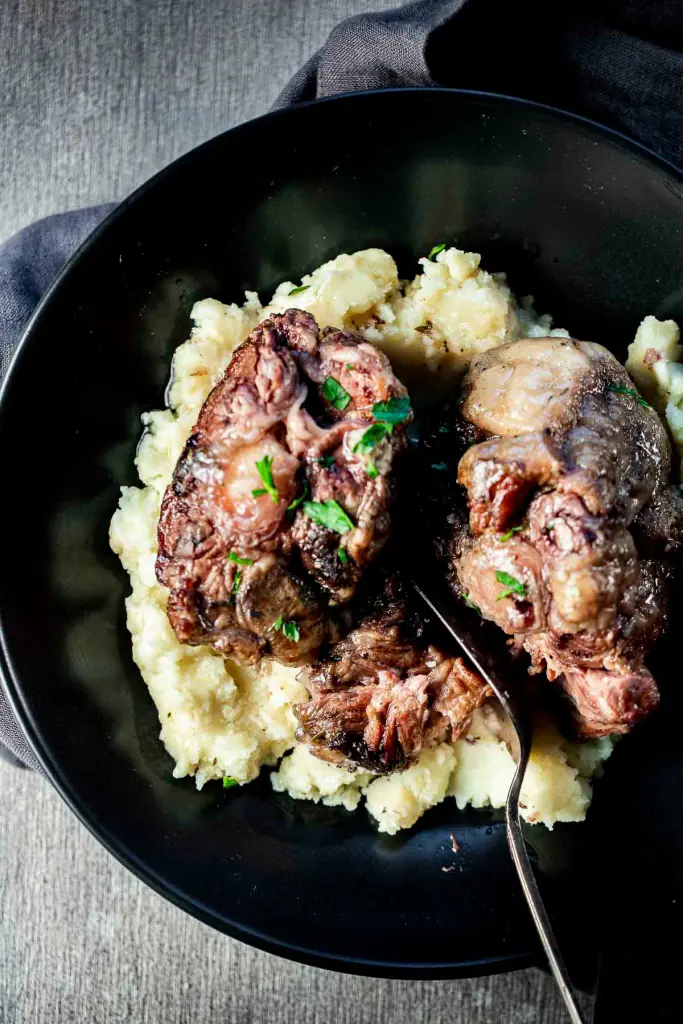
Pair with hearty sides like mashed potatoes or polenta to soak up the delicious gravy.
Oxtail stew is a rich, flavorful dish that can be served in various ways to create a satisfying meal. Here are some serving suggestions to enhance your dining experience:
Traditional Serving:
The classic way to serve oxtail stew is over "rice and peas," a Caribbean dish made with white rice and kidney beans, seasoned with aromatic spices. This combination provides a perfect balance of flavors and textures, with the rice absorbing the savory stew juices.
Simple Rice Option:
For a quicker and easier alternative, serve the stew over plain white rice. The neutral flavor of white rice allows the complex tastes of the oxtail stew to shine through, making for a delicious and comforting meal.
Other Starch Options:
Potatoes: Serve over mashed potatoes or alongside roasted potatoes for a hearty meal.
Egg Noodles: The broad, flat surface of egg noodles is excellent for holding the rich sauce.
Solo Serving: The stew is flavorful enough to be enjoyed on its own, especially if you prefer a lower-carb option.
Bread Accompaniments:
Homemade bread is an excellent addition to soak up the delicious gravy. Consider trying these bread recipes:
Rye Bread: Its robust flavor complements the richness of the stew.
No Knead Bread: An easy-to-make option with a crispy crust and soft interior.
Artisan Bread: Offers a rustic touch to your meal.
No Knead Skillet Bread: A quick bread option that pairs well with stews.
Salad Pairings:
To balance the richness of the oxtail stew, consider serving a refreshing salad on the side. Some options include:
Chickpea Tomato Salad: A protein-packed option with bright flavors.
Avocado Tomato Salad: The creamy avocado provides a nice contrast to the hearty stew.
Kale and Quinoa Salad: A nutrient-dense salad that adds texture to your meal.
Serving Tips:
Garnish the stew with fresh herbs like parsley or cilantro for added color and flavor.
Provide extra sauce on the side for those who enjoy a saucier dish.
Consider serving family-style, allowing guests to customize their plates.
Pair with a full-bodied red wine or a dark beer to complement the rich flavors of the stew.
Properly storing and reheating your leftover oxtail stew ensures you can enjoy this delicious dish for days to come. Here's a detail on how to preserve and reheat your leftovers safely and effectively:
Storing in the Refrigerator
Allow the oxtail stew to cool to room temperature, but don't leave it out for more than two hours to prevent bacterial growth.
Transfer the cooled stew to an airtight container. Glass or BPA-free plastic containers work well for this purpose.
Seal the container tightly to prevent air exposure and absorption of other food odors in the fridge.
Store the container in the refrigerator, where it will remain fresh for 3-4 days.
Reheating Refrigerated Leftovers
1. Microwave Method:
Place a portion of the stew in a microwave-safe dish.
Cover the dish to prevent splattering and retain moisture.
Heat on medium power for 2-3 minutes, stirring halfway through.
Check the temperature and continue heating in 30-second intervals if needed.
2. Stovetop Method:
Pour the stew into a skillet, saucepan, or pot.
Heat over medium heat, stirring occasionally.
If the stew seems too thick, add a little beef broth to achieve desired consistency.
Let it simmer for 5-10 minutes, or until the oxtails are thoroughly warmed.
Ensure the internal temperature reaches at least 165°F (74°C) for food safety.
Freezing for Long-Term Storage:
Cool the stew completely before freezing.
Portion the stew into freezer-safe, airtight containers or heavy-duty freezer bags.
If using bags, remove as much air as possible before sealing.
Label the containers with the date and contents.
Store in the freezer, where it will maintain best quality for 6-12 months.
Reheating Frozen Leftovers:
1. Thawing Method (Recommended):
Transfer the frozen stew to the refrigerator and let it thaw overnight.
Once thawed, reheat using the microwave or stovetop methods described above.
2. Direct Reheating Method:
Microwave: Place frozen stew in a microwave-safe container. Heat on 50% power, stirring every 2-3 minutes until fully defrosted and heated through.
Stovetop: Place the frozen stew in a pot over low heat. Stir frequently as it thaws and heats. Once thawed, increase heat to medium and simmer until thoroughly heated.
Author
Editor
Biswas Kharel
Biswas Kharel is a food blogger and writer who brings a sharp eye and adventurous palate to every bite he writes about. Known for his thoughtful reflections and down-to-earth style, Biswas blends personal anecdotes with rich culinary insights—from quiet village kitchens to lively urban eateries.
His blog is a flavorful mix of travel, tradition, and honest food reviews, offering readers a window into the heart of every dish. For Biswas, writing about food isn’t just a passion—it’s a way of documenting life, one meal at a time.