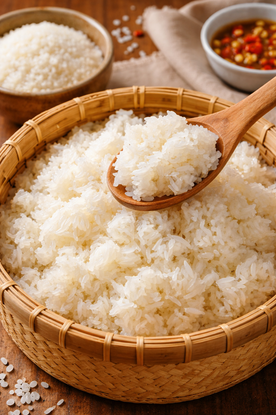
Sticky rice is a traditional Asian staple known for its chewy texture and mild flavor. Made from glutinous rice, it becomes naturally sticky when cooked, making it ideal for both sweet and savory dishes.
It is a short- or medium-grain rice variety commonly labeled as glutinous rice or sweet rice. It becomes sticky when cooked because it lacks amylose, the starch that keeps regular rice grains separate. This makes sticky rice ideal for dishes that need to be molded, wrapped, or eaten by hand.
It’s important to note that sticky rice is different from jasmine rice or sushi rice. While sushi rice is slightly sticky due to seasoning, glutinous rice has a naturally chewy and dense texture.
Ingredients Needed to Make Sticky Rice
Making sticky rice requires very few ingredients, which keeps the process simple and authentic.
That’s it. No salt or oil is needed for traditional sticky rice, though seasoning can be added later depending on the dish.
Choosing the Right Rice
For best results, always use rice specifically labeled as glutinous rice or sweet rice. Thai sticky rice is the most commonly used variety and is widely available in Asian grocery stores. Avoid substituting with regular short-grain rice, as it will not produce the same texture.
Step-by-Step: How to Make Sticky Rice (Traditional Method)
Step 1: Measure and Rinse the Rice
Start by measuring the desired amount of glutinous (sticky) rice. Place it in a large bowl and rinse under cold running water 2–3 times, gently swirling the grains with your hand. This step removes excess surface starch and any impurities, helping the rice cook evenly and preventing it from becoming overly gummy.
Step 2: Soak the Rice Properly
After rinsing, cover the rice with plenty of clean water and let it soak for at least 4 hours, or preferably overnight. Soaking is a crucial step when making sticky rice, as it allows the grains to absorb water evenly. Skipping or shortening this step can result in hard centers and uneven texture after cooking.
Step 3: Drain the Soaked Rice
Once soaking is complete, drain the rice thoroughly using a colander or fine-mesh sieve. Let it sit for a few minutes to remove excess water. Do not cook sticky rice in the soaking water, as this can make the grains mushy instead of chewy.
Step 4: Prepare the Steamer
Line a bamboo steamer or metal steaming basket with cheesecloth, parchment paper, or a clean kitchen towel. This prevents the rice from falling through the steamer holes and sticking to the surface while allowing steam to circulate properly.
Step 5: Steam the Rice
Spread the drained rice evenly in the steamer, keeping the layer loose rather than compacted. Place the steamer over a pot of rapidly boiling water, cover with a lid, and steam for 20–25 minutes. About halfway through cooking, gently flip or stir the rice to ensure even steaming on all sides.
Step 6: Check for Doneness
Sticky rice is fully cooked when the grains become translucent, tender, and evenly sticky without being wet or mushy. Taste a small portion to confirm there is no hard core in the center of the grains.
Step 7: Rest the Rice
Once cooked, remove the steamer from heat and cover the rice with a clean cloth for 5 minutes. This resting step helps the steam redistribute, giving the rice a consistent texture throughout.
Step 8: Serve or Use Immediately
Sticky rice is best enjoyed warm and fresh. You can serve it alongside savory dishes, shape it into small portions, or use it as a base for desserts. If not serving right away, keep it covered to retain moisture.
Alternative Methods to Make Sticky Rice
Using a Rice Cooker
While not traditional, a rice cooker can be used in a pinch. Soak the rice as usual, then add slightly less water than you would for regular rice. Cook on the white rice setting. The texture may be softer and less chewy than steamed sticky rice.
Using a Pot on the Stove
You can steam sticky rice using a heatproof colander placed over a pot of boiling water. Cover tightly and steam the same way as with a bamboo steamer.
How to Serve Sticky Rice
Sticky rice can be enjoyed in many ways depending on the cuisine:
-
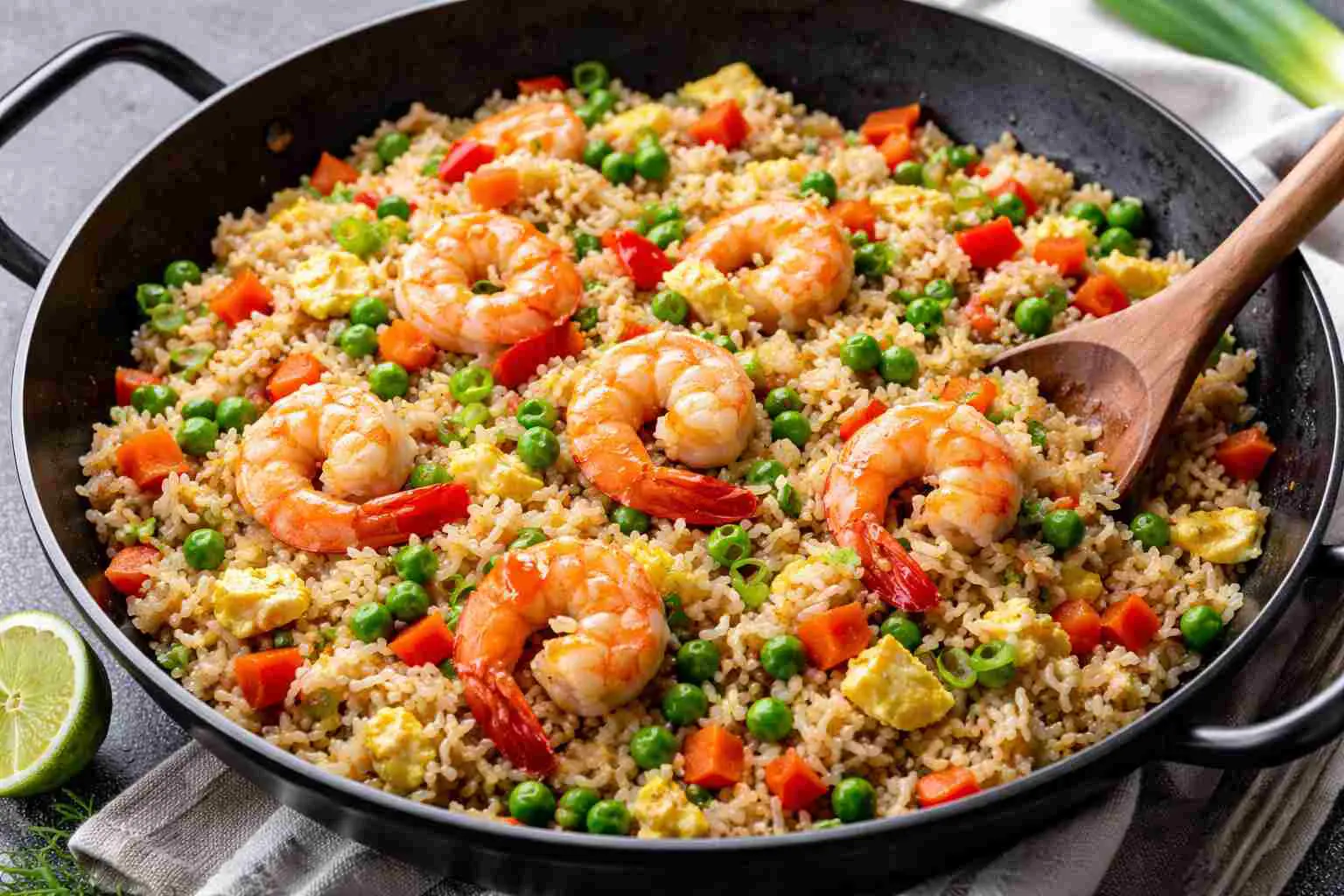
Serve with grilled meats, curries, or stir-fries
-
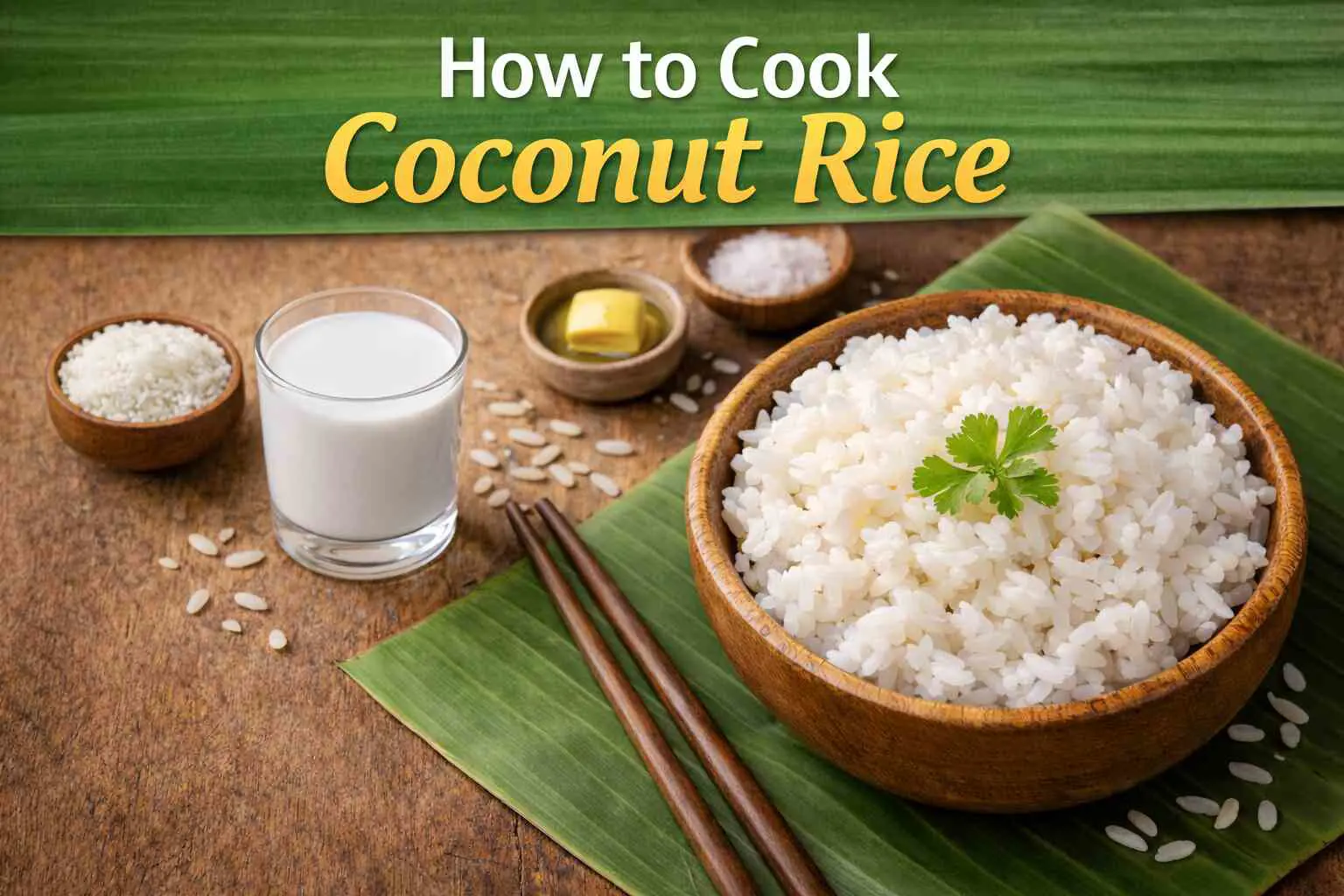
Pair with mango and coconut milk for a classic dessert
-
Shape into small balls for easy eating
-
Use as a base for stuffed rice dishes or wraps
Its neutral flavor makes it perfect for both sweet and savory recipes.
How to Store and Reheat Sticky Rice
Sticky rice is best enjoyed fresh, but proper storage and reheating can help preserve its texture and flavor for later use. Because of its high starch content, sticky rice can dry out quickly if not handled correctly.
How to Store Sticky Rice
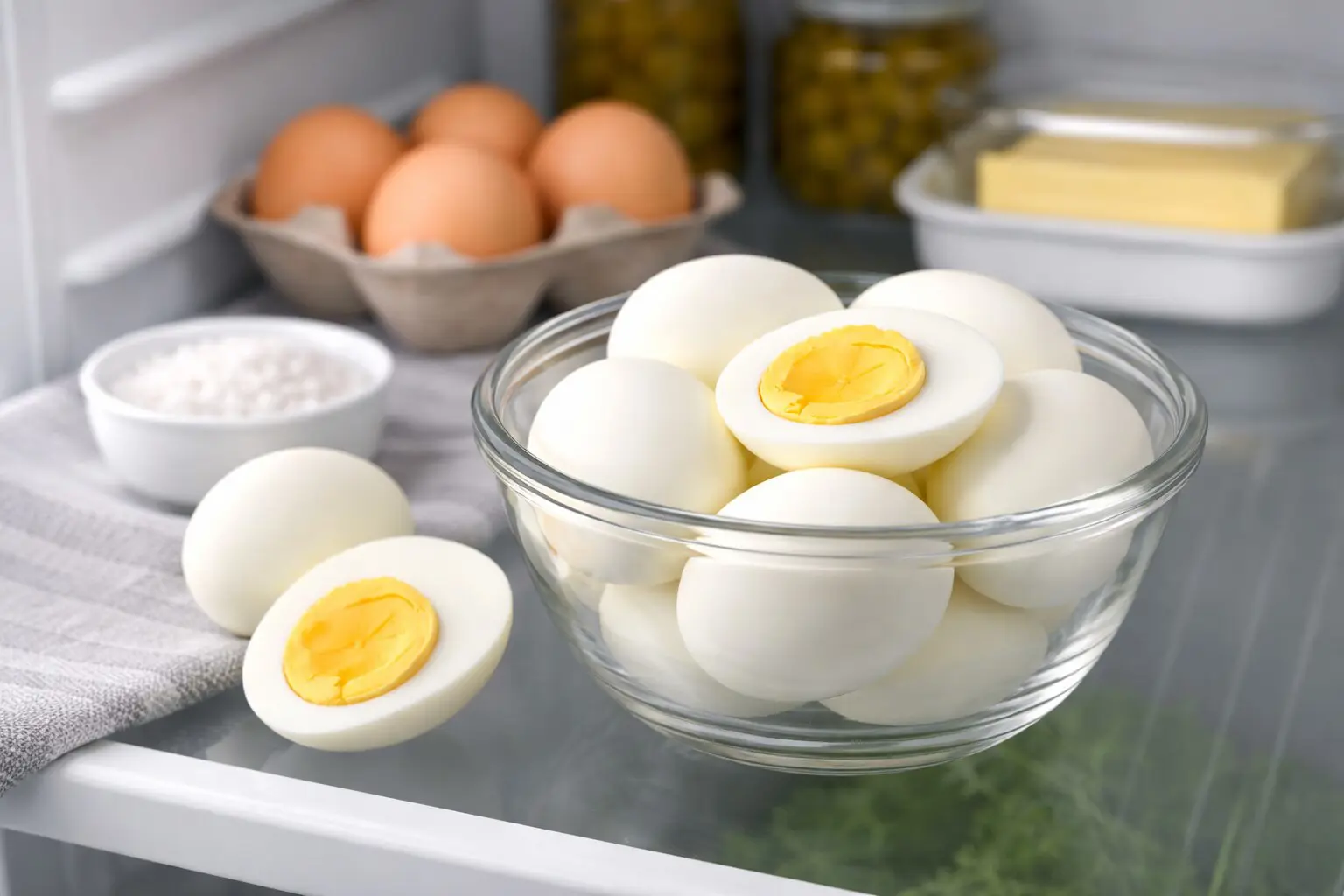
Allow the cooked sticky rice to cool slightly before storing, but do not leave it at room temperature for more than 1–2 hours. Once cooled, transfer the rice to an airtight container or wrap it tightly in plastic wrap or banana leaves. Proper sealing is essential to prevent moisture loss and keep the rice from becoming hard.
Store sticky rice in the refrigerator for up to 2 days. For longer storage, you can freeze sticky rice in small portions. Wrap each portion tightly and place it in a freezer-safe bag or container. Frozen sticky rice can be stored for up to 1 month without significant loss of quality.
How to Reheat Sticky Rice
The best way to reheat sticky rice is by steaming it again. Place the rice in a steamer lined with a damp cloth and steam for 5–10 minutes until it becomes soft and warm. This method restores moisture and brings back the rice’s original chewy texture.
If using a microwave, place the sticky rice in a microwave-safe bowl and cover it with a damp paper towel or lid. Heat in short intervals, stirring occasionally, until evenly warmed. Avoid overheating, as this can make the rice tough or dry.
For frozen sticky rice, thaw it in the refrigerator overnight or steam it directly from frozen for best results. Adding a small splash of water during reheating can help revive moisture.
Storage Tips to Maintain Texture
-
Always keep sticky rice tightly covered
-
Avoid reheating multiple times
-
Reheat only the portion you plan to eat
-
Steaming works better than dry heat methods
With proper storage and reheating techniques, sticky rice can remain soft, chewy, and enjoyable even after being stored.
Conclusion
Learning how to make sticky rice at home opens the door to a wide variety of traditional and modern dishes. While it requires a bit more preparation than regular rice, the unique chewy texture and rich cultural roots make it well worth the effort.
By using the correct rice, soaking it properly, and steaming it gently, you can achieve perfectly cooked sticky rice every time. Whether served with savory meals or transformed into a dessert, sticky rice is a simple yet satisfying staple that deserves a place in your kitchen.