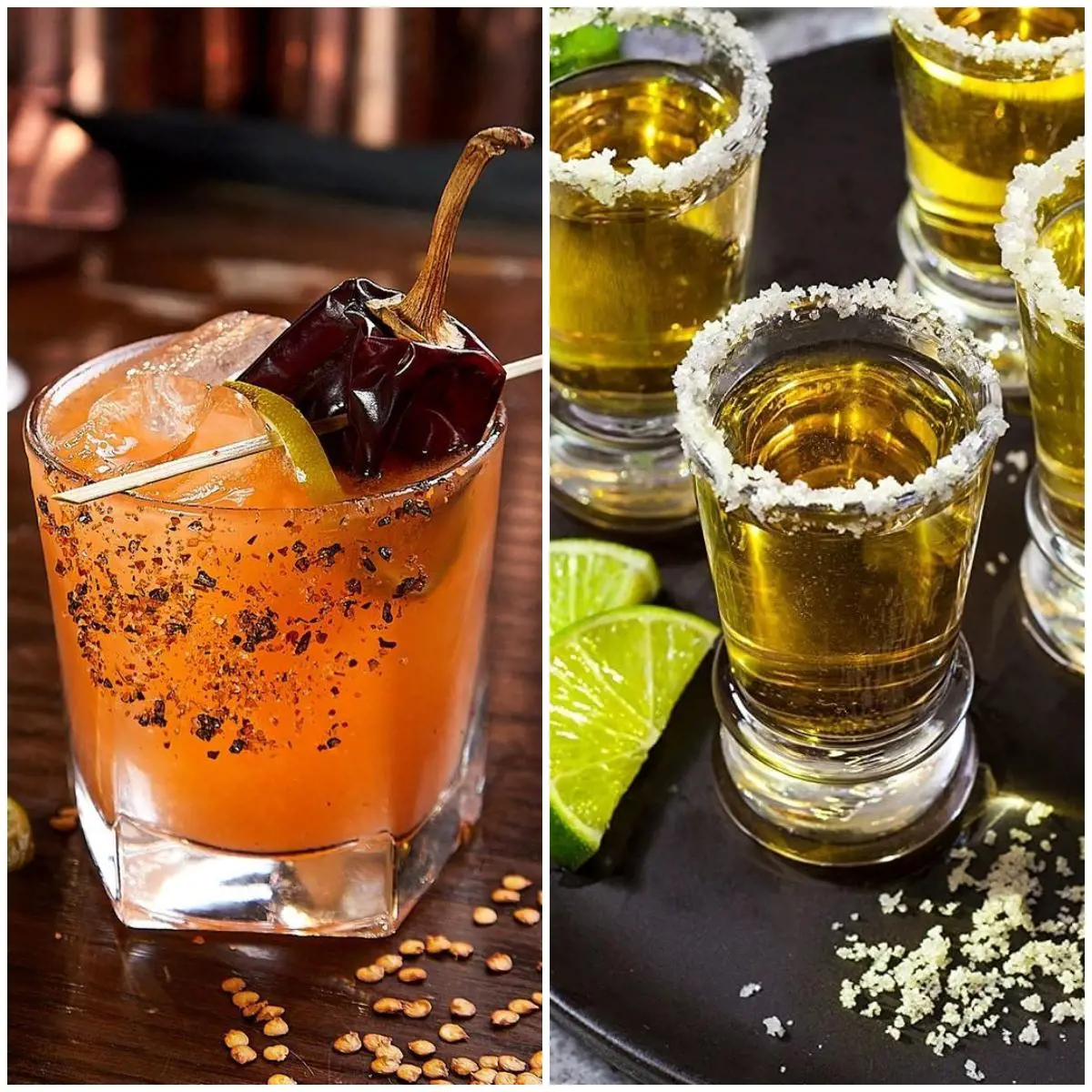
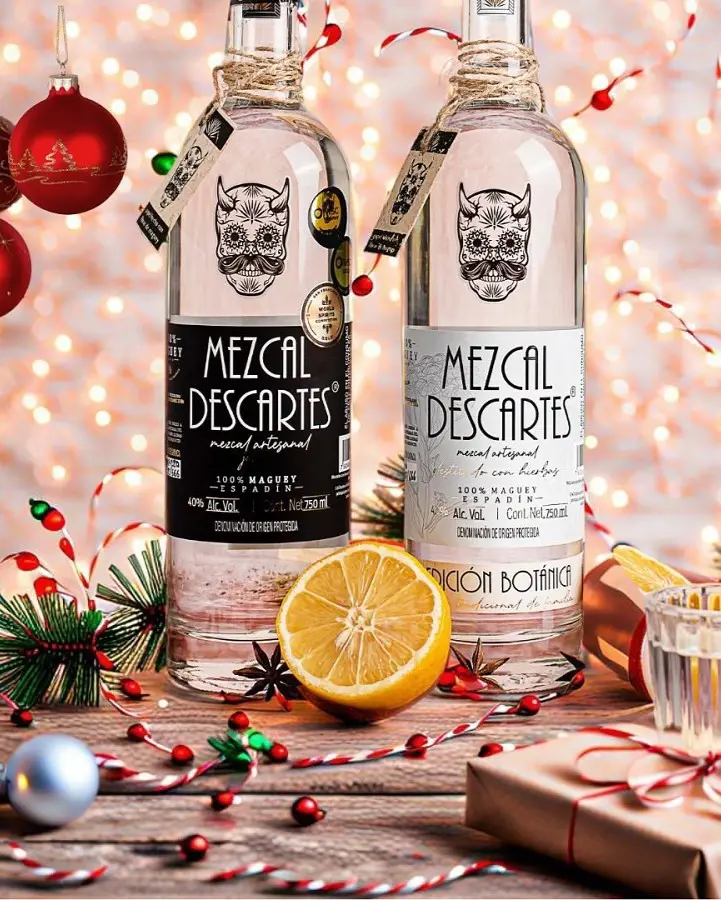
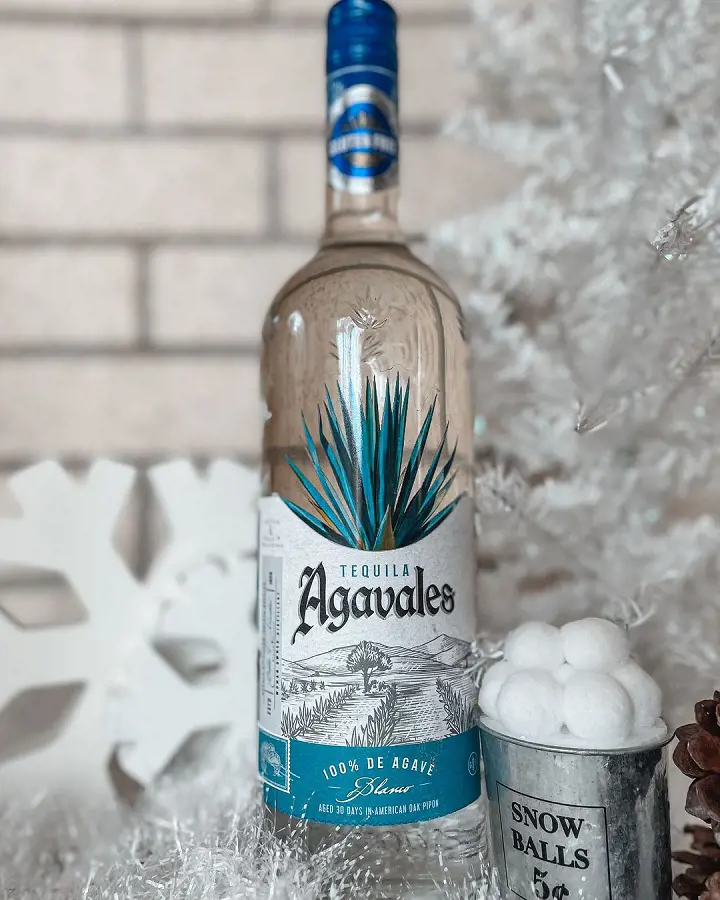
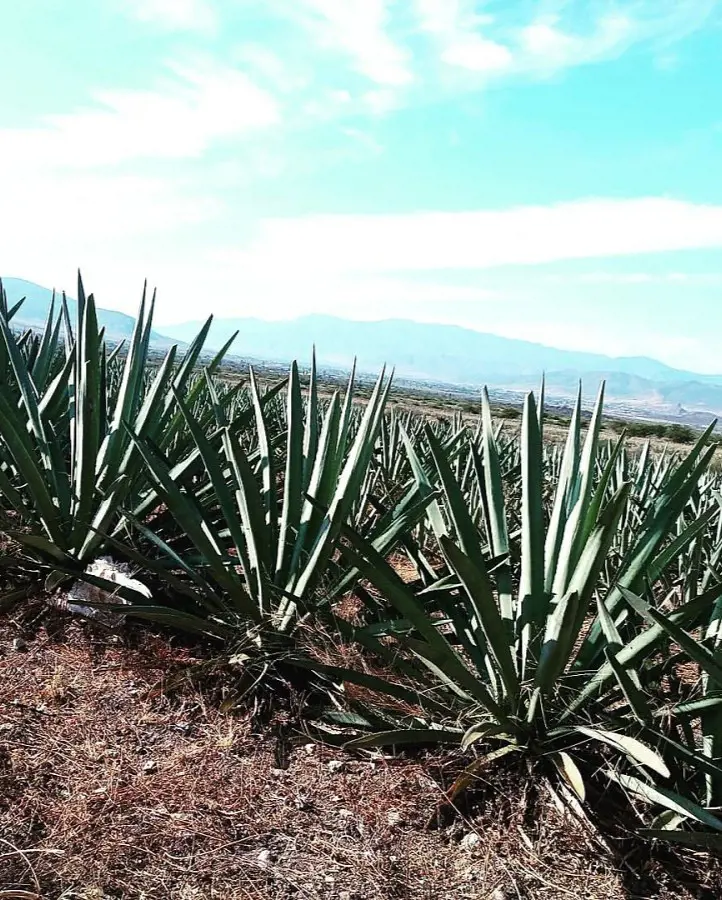
Mezcal and tequila are often used interchangeably in cocktails, and a common mistake is thinking the two are the same. There are similarities between the two spirits, but they are not the same. There are many differences between the two agave spirits.
So what's the difference between tequila and mezcal? According to experts, all tequila is mezcal, but not all mezcal is tequila. Mezcal is a vast category of spirits, and tequila is a small subset of mezcal. It is much like the debate between bourbon and whiskey or Chardonnay and wine.
Here, we will explore the key differences between tequila and mezcal so that you have a better idea the next time your bartender asks you if you want mezcal or tequila in your margarita.
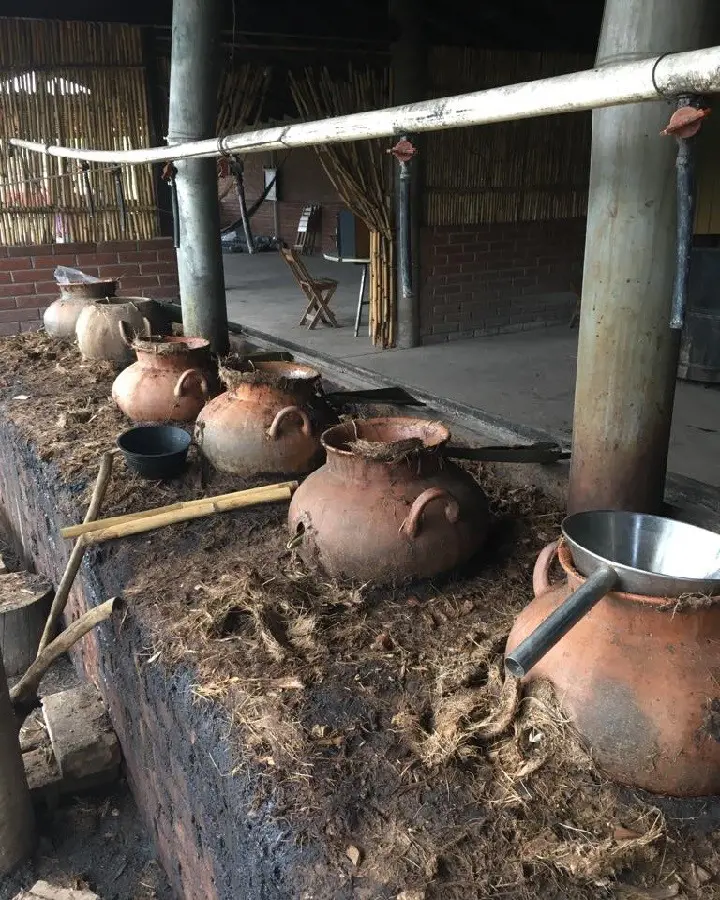
Mezcal is a distilled alcoholic beverage made from over 30 different agave varieties, each contributing unique flavors. The word mezcal comes from the Aztec word 'mexcalli,' which translates to 'oven-cooked agave,' reflecting the traditional production method.
Out of all the varieties of agave, four are more popularly used. Joven, which translates to 'young,' is an un-aged or minimally aged agave that has a fresh flavor. Espadin is the most common agave variety with a unique flavor. It is smoky and earthy, with notes of roasted agave, citrus, pepper, and hints of tropical fruits.
Tobalá, which is harder to find, is known for its complex floral notes and smooth finish. Lastly, we have Pechuga, infused with fruits, spices, and sometimes even a chicken breast during distillation.
Tequila is a subset of mezcal and is exclusively made with blue agave plants, specifically the Weber azul variety. The blue agave plant is an important economic product of Mexico, Jalisco, the city of tequila. It typically takes around 7-12 years to mature, after which it is harvested for the piña, the star ingredient of tequila.
Depending on its production methods and aging, there are many varieties of tequila. Two of them are the 100% agave and mixto. The first type is made exclusively from blue agave sugar, while the latter contains at least 51% blue agave sugar blended with other fermentable sugars like molasses or sugar cane.
Tequila is best in margaritas, but it does shine in other cocktails like Palomas, Tequila Sunrises, and Tommy's Margaritas.
A 100% agave mezcal only has agave and water. The water dilutes the fermented agave liquid before distillation. This alcohol can be made with over 30 varieties of mezcal, but the most common ones are espadín, tobalá, tepeztate, and tequilana. Meanwhile, a non-100 % mezcal has additional ingredients to create unique flavor profiles. These can include fruits, spices, and herbs.
Unlike mezcal, tequila is made with only blue agave. It is diluted with water during production and fermented with yeast to get tequila. Traditionally, produces used naturally occurring yeast from the agave pina, but these days, they use cultivated strains. Sometimes, tequilas contain other sources of fermentable sugars and small amounts of additives like coloring agents, flavorings, or thickeners.
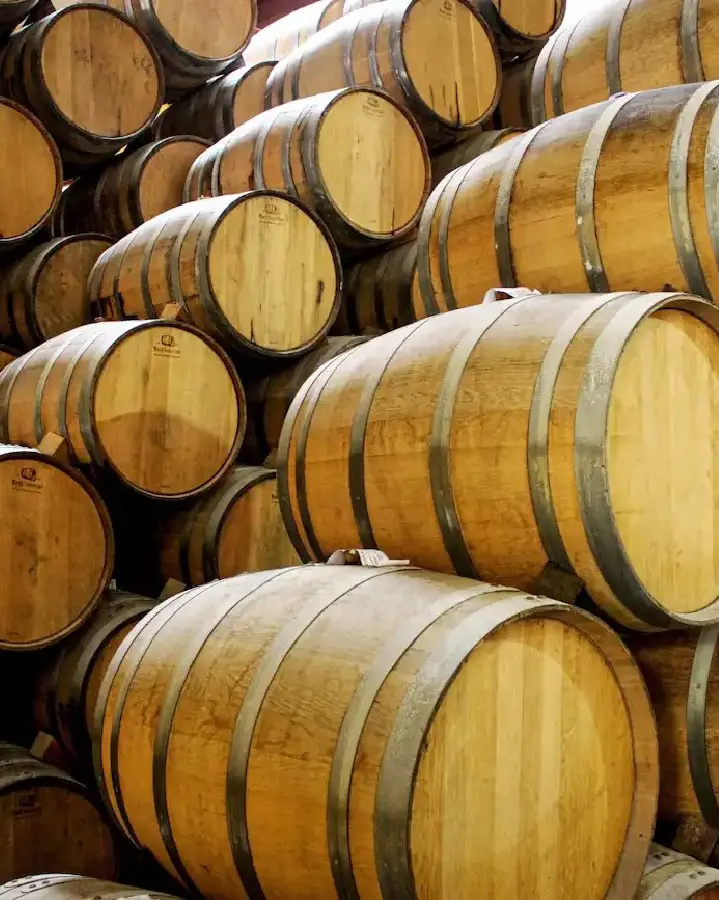
Mezcal is aged from anywhere between one month to four years, but some are aged for as long as 12 years. Joven mezcal, aged for two months, is the most affordable option and a good starting point for exploring mezcal flavor. Meanwhile, an extra nñejo (extra aged) is aged for over three years in wooden containers. They are the rarest and famous for their exceptional smoothness and intensely complex flavor.
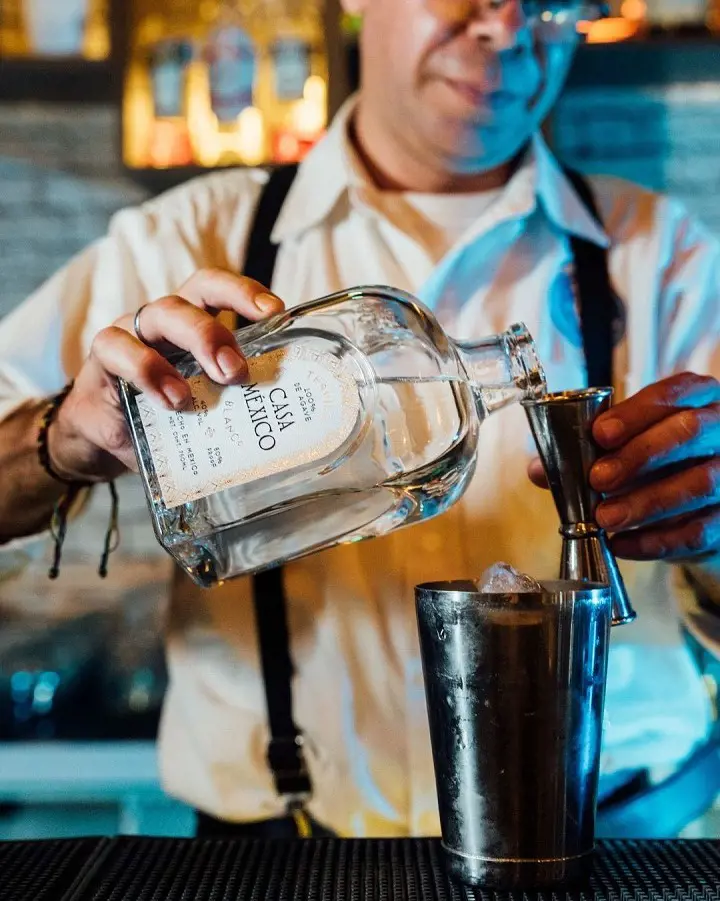
Unlike mezcal, tequila does not have to be aged. Some are bottled immediately after distillation and are known as Blanco (white). But those who enjoy a deeper and more nuanced flavor profile can go for extra-aged tequila.
The flavor profile of mezcal is incredibly diverse, thanks to the wide variety of agave used and production methods. Smokiness is a main characteristic of mezcal and ranges from subtle to intense, depending on the production method. It is also earthy because agave naturally has earthy notes. Some agaves have fruity notes, some floral, and some are spicy.
Even though tequila is made exclusively with blue agave, it comes in many flavors because of the variety in the distillation process and the aging period. All tequilas have a sweet, herbaceous base with hints of citrus and pepper from the blue agave. From here, the flavors of the tequila might diverge depending on what it is infused with. Unaged tequila is citrusy from the lemon juice. Meanwhile, extra-aged tequila has honeyed notes, leather, and tobacco hints.
Both mezcal and tequila are legally protected spirits, but there are key differences between the two.
Production: Mezcal can only be produced in nine designated states in Mexico, while tequila is Produced only in five specific regions.
Additives: Some mezcal are allowed to contain up to 5% of additives like fruits, spices, herbs, or even insects. As for tequila, 100% agave" tequilas cannot contain any additives, but mixto tequilas can contain up to 49% non-agave sugars like neutral spirits.
Labeling: Mezcal producers must clearly state agave variety, category, and production region on their labels. Meanwhile, tequila must prominently display "tequila" and specify whether it's "100% agave" or "mixto."
Due to their distinct flavor and texture, mezcal and tequila might need to be paired with the right food. Mezcal's smoky, earthy, and complex flavor profile goes great with rich and fatty meats like pork belly, chorizo, or duck. Its bright and citrusy flavors may enhance the citrusy vinaigrette in ceviches and salads.
A white tequila may amplify the citrusy and light flavors of fish tacos and shrimp scampi or enhance the spiciness of Thai curries and Korean bibimbap. Meanwhile, the rich and oaky extra-aged tequila may be better with grilled meats, aged cheeses, or chocolate desserts. You can also enjoy it alongside creamy pasta dishes or roasted vegetables.
Mezcal's has a complex flavor profile that lends itself beautifully to a variety of cocktails. You can give classics like Oaxacan Old Fashioned and Paloma 2.0 a mezcal twist by swapping out the bourbon and tequila respectively, with mezcal. And if you want a unique and creative option, try an El Beso de la Muerte (The Kiss of Death) cocktail. Mezcal, lime juice, cucumber muddled with jalapeño, cilantro, and agave nectar make for a bold and flavor-packed cocktail.
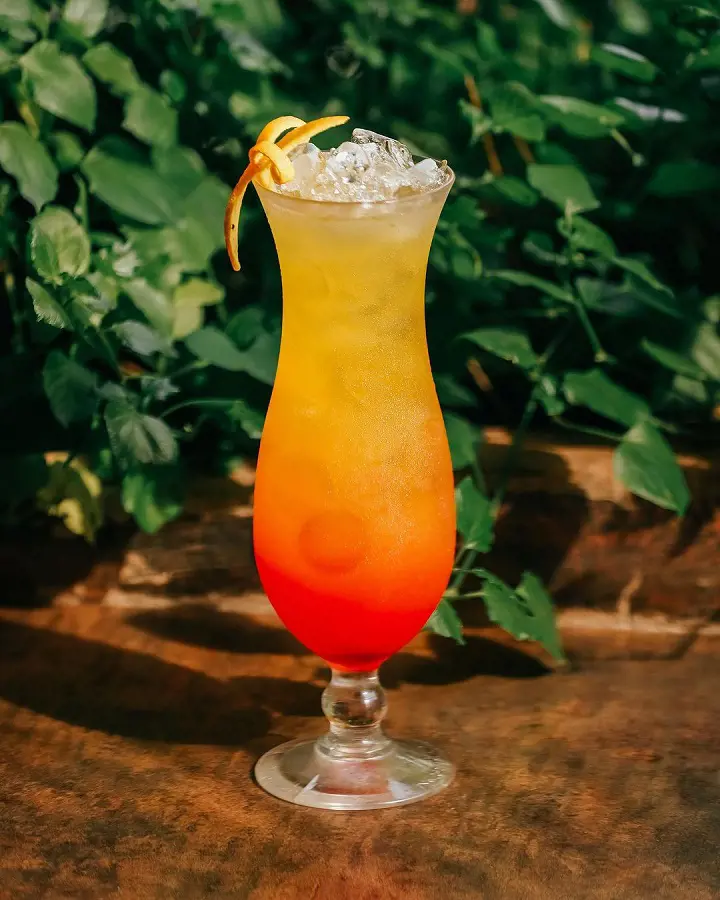
The first thing that pops into everyone's mind is probably a Tequila Sunrise when they think of tequila. It is as timeless as it gets and visually stunning thanks to the layers of tequila, grenadine, and orange juice, creating a beautiful gradient of colors reminiscent of a sunrise.
Choosing between mezcal and tequila all boils down to your taste and what you look for in a spirit. If you love smoky alcohol with earthy, fruity, floral, and spicy notes, then a mezcal is better for you. Mezcal is also ideal for you If you are adventurous and love exploring different nuances because they come in over 30 agave varieties.
But if you love lighter and brighter flavored alcohol with citrusy, vegetal, and peppery notes, Blanco tequilas are your best bet. Meanwhile, Reposado is better if you are looking for oaky and vanilla influences. It is also better in classic cocktails like margaritas and Palomas, and enjoyable neat or on the rocks.
Author
Editor
Deepa Pudasaini
Deepa Pudasaini is a food and beverage writer with a curious palate and a love for all things flavorful. She’s just as excited about discovering a new local brew as she is about telling the story behind a family-run kitchen. With a background in hospitality and a down-to-earth voice, Deepa writes about what we eat and drink in a way that’s relatable, thoughtful, and always a little bit adventurous.
For her, it’s not just about taste—it’s about the people, the craft, and the joy that good food and drink bring to our lives.