Roast Beef Tenderloin for the Perfect Occasion


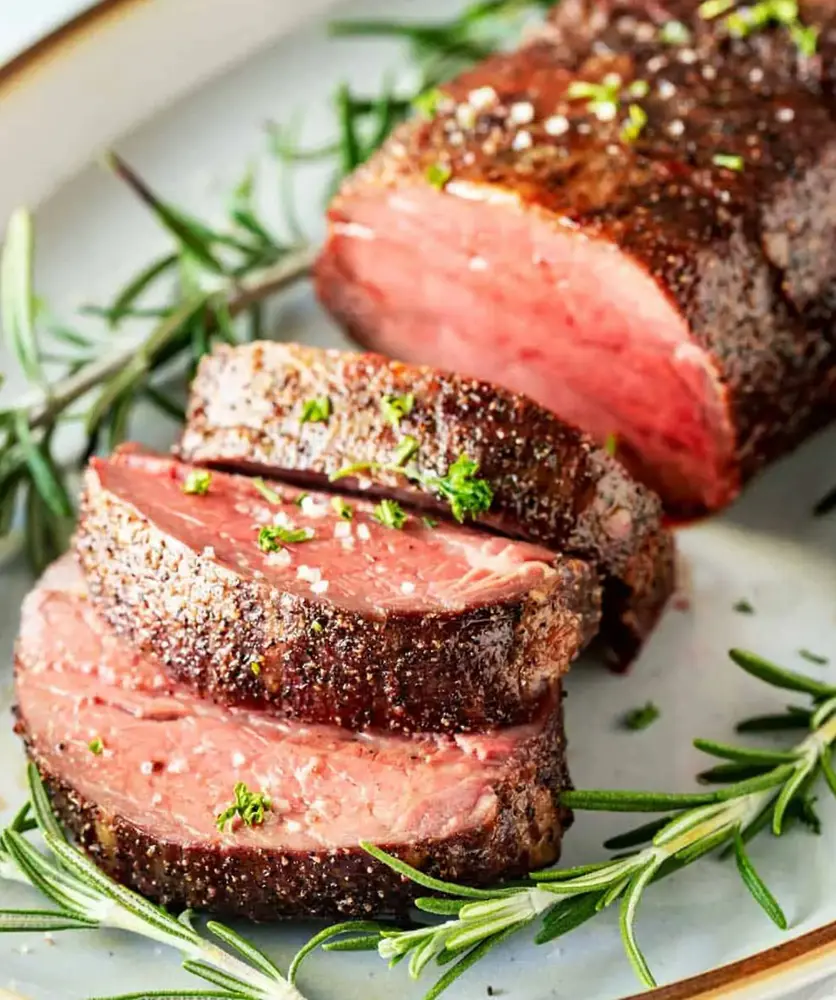
Roast beef tenderloin is the essence of a luxurious and delicious meal, perfect for special occasions and gatherings. This exquisite cut of beef, known for its tenderness and rich flavor, can be the centerpiece of a memorable dining experience.
When you are celebrating a holiday, hosting a dinner party, or simply indulging in a gourmet meal at home, roast beef tenderloin is sure to impress.
In this comprehensive guide, we'll explore the history of beef tenderloin, tips for selecting the best cut, a step-by-step recipe, side dish recommendations, and serving suggestions to help you create the perfect roast beef tenderloin for any special occasion.
Selecting the Best Beef Tenderloin
Choosing the right beef tenderloin is the first step in creating a memorable roast. Here are some tips to help you select the best cut:
-
Grade of Beef: Look for USDA Prime or Choice grades. Prime-grade beef has the highest level of marbling, which results in a more tender and flavorful roast. Choice grade is also excellent and typically more affordable.
-
Size and Weight: A whole beef tenderloin typically weighs between 4 to 6 pounds and can serve 8 to 12 people. For smaller gatherings, you can purchase a center-cut portion, which is equally tender and easier to handle.
-
Appearance: The meat should be bright red with a fine texture and firm to the touch. Avoid cuts with excessive dark spots or discoloration.
-
Fat Cap: A thin layer of fat on one side of the tenderloin is desirable as it adds flavor and helps keep the meat moist during roasting. However, excessive fat should be trimmed.
-
Silverskin: This is a tough, silver-colored membrane that needs to be removed before cooking. Some butchers will remove it for you, but you can also do it at home with a sharp knife.
Preparing the Beef Tenderloin
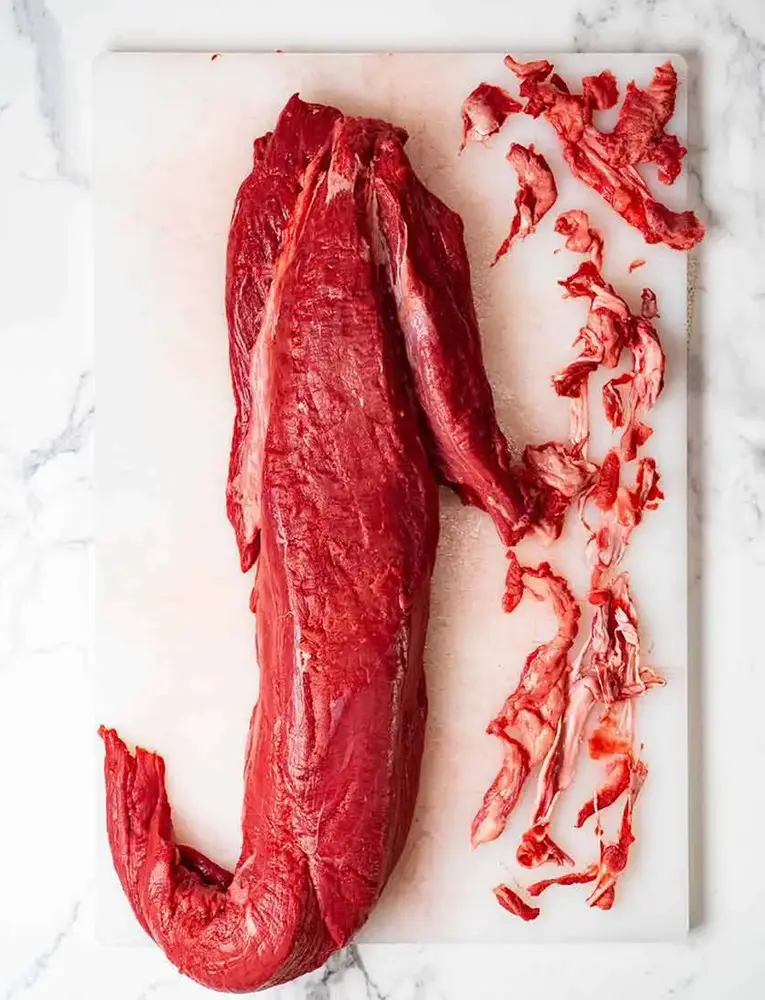
Proper preparation is key to achieving a perfect roast beef tenderloin. Follow these steps to ensure your meat is ready for roasting:
-
Trimming: If the butcher hasn't already done so, trim the tenderloin by removing the silverskin and any excess fat. A sharp knife is essential for this task.
-
Tying: To ensure even cooking, tie the tenderloin at regular intervals with kitchen twine. This helps maintain its shape and ensures that it cooks evenly throughout.
-
Seasoning: Generously season the beef tenderloin with kosher salt and freshly ground black pepper. For additional flavor, consider creating a herb rub with minced garlic, rosemary, thyme, and olive oil. Rub the mixture all over the meat, then let it sit at room temperature for about an hour before roasting.
Step-by-Step Recipe for Roast Beef Tenderloin
Here's a detailed recipe to help you create a succulent roast beef tenderloin:
Ingredients:
- 1 whole beef tenderloin (4-6 pounds), trimmed and tied
- 2 tablespoons kosher salt
- 1 tablespoon freshly ground black pepper
- 4 cloves garlic, minced
- 2 tablespoons fresh rosemary, chopped
- 2 tablespoons fresh thyme, chopped
- 1/4 cup olive oil
- 2 tablespoons unsalted butter
- 1 cup beef broth
- 1 cup red wine (optional)
Instructions:
-
Preheat the Oven: Preheat your oven to 425°F (220°C). Place a rack in the middle of the oven.
-
Season the Tenderloin: In a small bowl, combine the garlic, rosemary, thyme, and olive oil. Rub this mixture all over the tenderloin. Season generously with salt and pepper.
-
Sear the Tenderloin: Heat a large, ovenproof skillet or roasting pan over medium-high heat. Add the butter and let it melt. Once the butter is hot and foamy, add the tenderloin and sear on all sides until browned, about 2-3 minutes per side.
-
Roast the Tenderloin: Transfer the skillet or roasting pan to the preheated oven. Roast the tenderloin until it reaches the desired doneness. For medium-rare, roast until the internal temperature reaches 130-135°F (54-57°C), about 20-25 minutes. For medium, roast until the internal temperature reaches 140-145°F (60-63°C).
-
Rest the Meat: Remove the tenderloin from the oven and transfer it to a cutting board. Tent it loosely with aluminum foil and let it rest for 15-20 minutes. This allows the juices to redistribute throughout the meat.
-
Make the Pan Sauce: While the meat is resting, place the skillet or roasting pan over medium heat. Add the beef broth and red wine (if using), scraping up any browned bits from the bottom of the pan. Bring to a simmer and cook until the sauce has reduced by half, about 5-7 minutes. Strain the sauce through a fine-mesh sieve and season to taste with salt and pepper.
-
Slice and Serve: Remove the kitchen twine from the tenderloin and slice it into 1/2-inch thick medallions. Arrange the slices on a platter and drizzle with the pan sauce. Serve immediately.
Perfect Side Dishes for Roast Beef Tenderloin
To complement the rich and flavorful roast beef tenderloin, consider serving a variety of side dishes. Here are some suggestions:
-
Garlic Mashed Potatoes: Creamy mashed potatoes infused with roasted garlic make a classic and comforting side dish.
-
Roasted Vegetables: A medley of roasted vegetables, such as carrots, Brussels sprouts, and parsnips, adds color and texture to the meal.
-
Yorkshire Pudding: These light and airy popovers are a traditional accompaniment to roast beef and are perfect for soaking up the delicious pan sauce.
-
Green Beans Almondine: Sautéed green beans with toasted almonds add a fresh and crunchy element to the plate.
-
Caesar Salad: A crisp Caesar salad with a tangy dressing and crunchy croutons provides a refreshing contrast to the rich beef.
-
Cranberry Sauce: A slightly tart cranberry sauce can add a bright and festive touch to the meal.
Serving Suggestions and Presentation
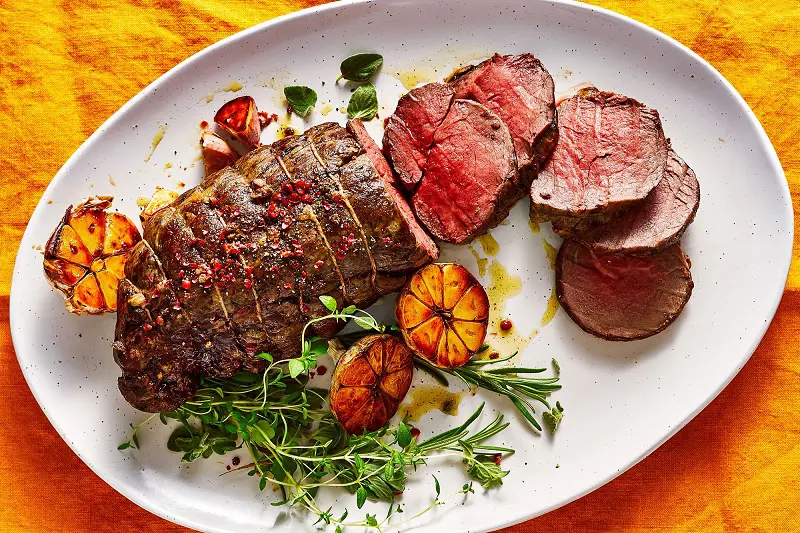
Presentation is key when serving roast beef tenderloin for a special occasion. Here are some tips to make your meal look as good as it tastes:
-
Platter Presentation: Arrange the sliced beef tenderloin on a large, heated platter. Drizzle some of the pan sauce over the top and serve the remaining sauce in a gravy boat on the side.
-
Garnish: Garnish the platter with fresh herbs, such as rosemary and thyme, for an elegant touch. You can also add some roasted garlic cloves or whole cranberries for a festive look.
-
Warm Plates: Serve the meal on warm plates to ensure that the beef stays hot. You can warm the plates in the oven for a few minutes before serving.
-
Accompaniments: Provide a variety of accompaniments, such as horseradish cream or Dijon mustard, to cater to different tastes.
-
Wine Pairing: Pair the meal with a robust red wine, such as a Cabernet Sauvignon or Merlot, which complements the richness of the beef.
Tips for the Perfect Roast Beef Tenderloin
Here are some additional tips to help you achieve perfection with your roast beef tenderloin:
-
Thermometer: Use a meat thermometer to ensure the roast reaches the desired doneness. Insert the thermometer into the thickest part of the tenderloin for an accurate reading.
-
Resting Time: Don't skip the resting time. Allowing the meat to rest after roasting ensures that the juices are evenly distributed, resulting in a more succulent and flavorful roast.
-
Carving: Use a sharp carving knife to slice the tenderloin. A dull knife can tear the meat and result in uneven slices.
-
Leftovers: If you have leftovers, store them in an airtight container in the refrigerator. Sliced beef tenderloin can be used in sandwiches, salads, or stir-fries for delicious meals in the days following your special occasion.
-
Experiment with Flavors: While the classic garlic and herb rub is always a hit, don't be afraid to experiment with different flavor profiles. Try a coffee and chili rub for a bold twist, or a soy and ginger marinade for an Asian-inspired roast.
A Brief History of Beef Tenderloin
The beef tenderloin, also known as the filet, is a cut of beef taken from the loin of the cow. This muscle does very little work, which is why it is so tender. The tenderloin is a long, cylindrical muscle that stretches between the sirloin and the short loin.
Its history as a prized cut of meat dates back centuries, and it has been a favorite among chefs and gourmands around the world.
The tenderloin has been celebrated in various cultures for its unparalleled tenderness and mild flavor. In French cuisine, it is often used to make filet mignon, a small, thick steak cut from the smaller end of the tenderloin.
In American cuisine, it is frequently roasted whole to create a roast beef tenderloin. This method highlights the meat's natural tenderness and allows it to be the star of the meal.
Final Thoughts
Roast beef tenderloin is a truly exceptional dish that can elevate any special occasion to new heights. Its tenderness, rich flavor, and elegant presentation make it a favorite among chefs and home cooks alike.
Whether you're celebrating a holiday, hosting a dinner party, or simply indulging in a gourmet meal at home, roast beef tenderloin is the perfect centerpiece. With careful selection, proper preparation, and thoughtful presentation, you can create a memorable dining experience that will be cherished for years to come.
By following the tips and recipes outlined in this guide, you can create a roast beef tenderloin that will impress your guests and leave them raving about your culinary skills.
So, roll up your sleeves, grab your favorite apron, and get ready to create a roast beef tenderloin that will make your next special occasion truly unforgettable.