On a hot summer day, nothing refreshes quite like a cold, fruity frozen dessert. Sorbet and sherbet are two popular icy treats that seem quite similar at first glance. While both are made from sweetened fruit purees or juices, they have some key differences when it comes to ingredients, texture, taste and more.
In this essay, we’ll explore what sets sorbet and sherbet apart and look at the characteristics of each frozen treat.
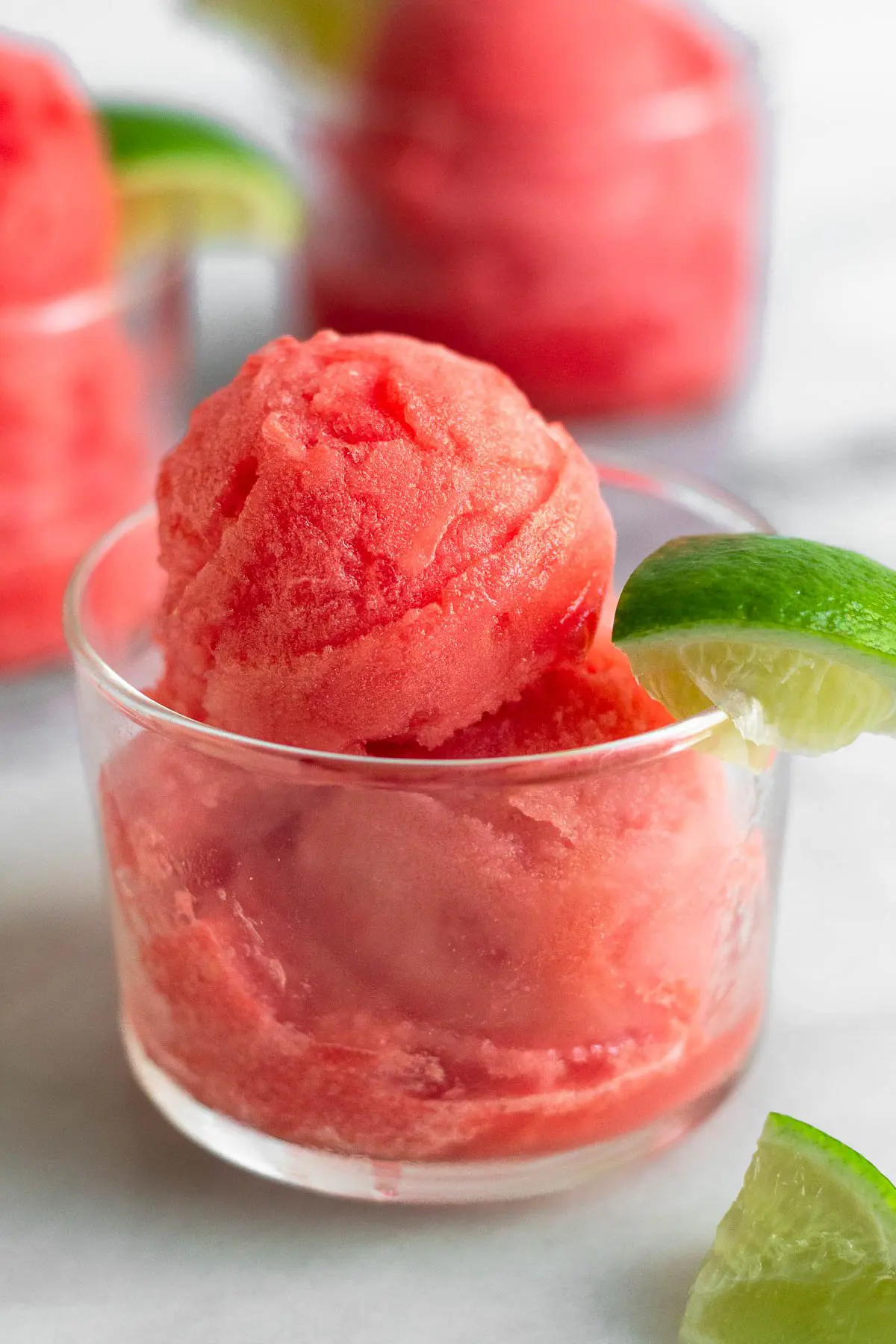
Sorbet is a frozen dessert made from fruit juice, puree, or syrup, along with water and sweetener. Egg whites are sometimes added to give it a lighter, smoother texture. Real sorbets do not contain any milk or cream as a result they contain no fat, cholesterol, or protein, making it a lighter treat.
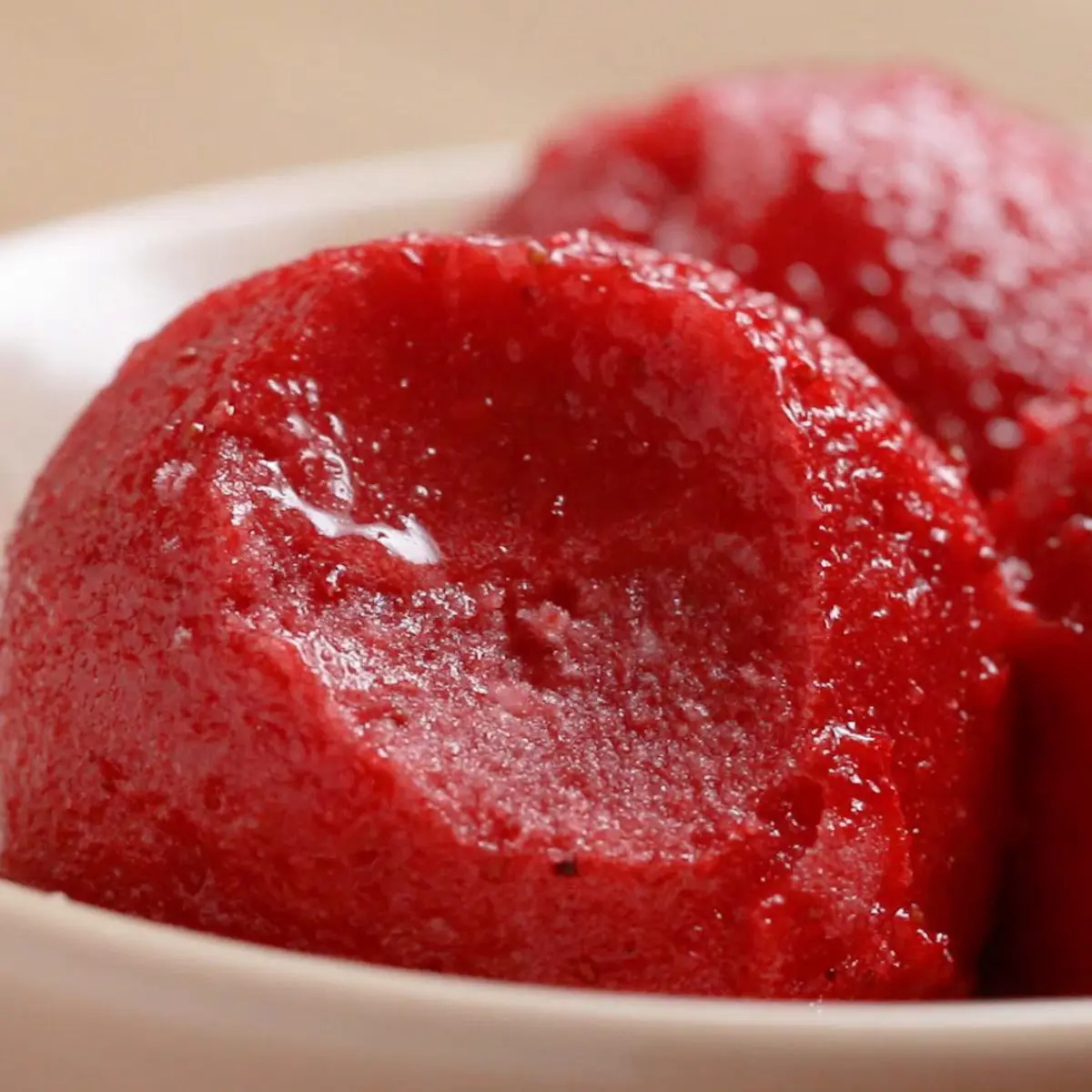
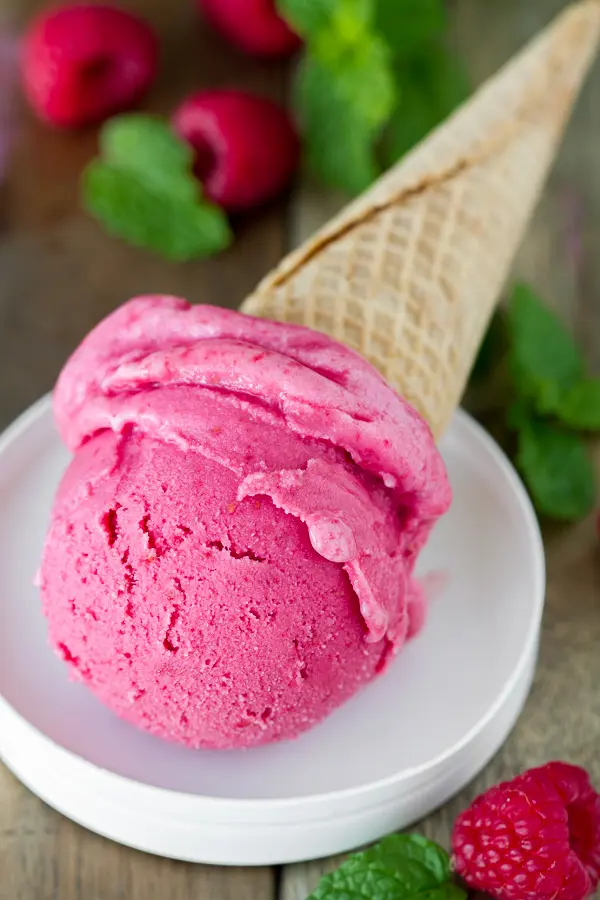
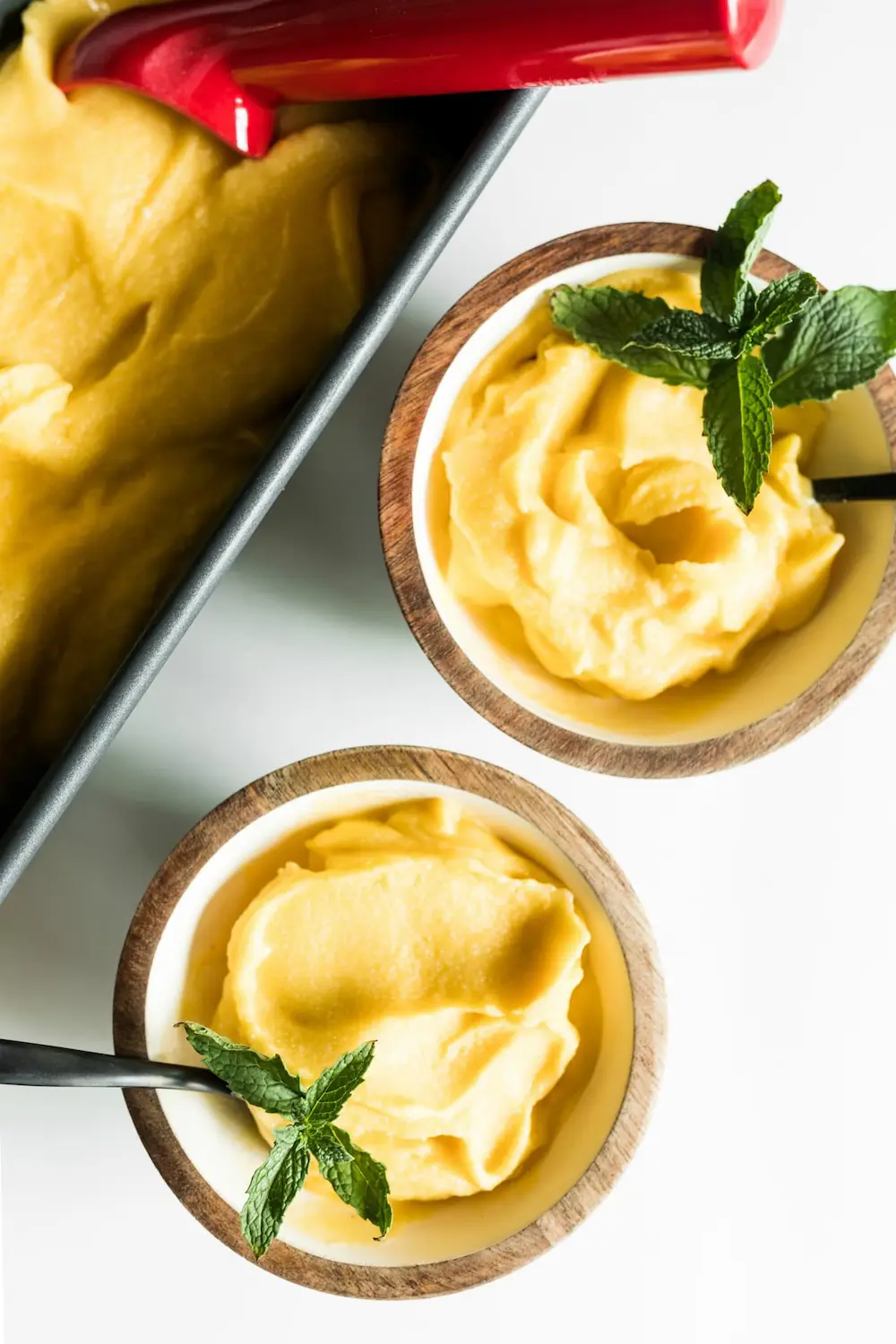
The fruit base provides sweetness, so only minimal extra sugar is needed. Sorbets have an intensely fruity, refreshing flavor and smooth, icy texture similar to a granita. Popular fruit choices for sorbet include lemon, raspberry, mango, and strawberry.
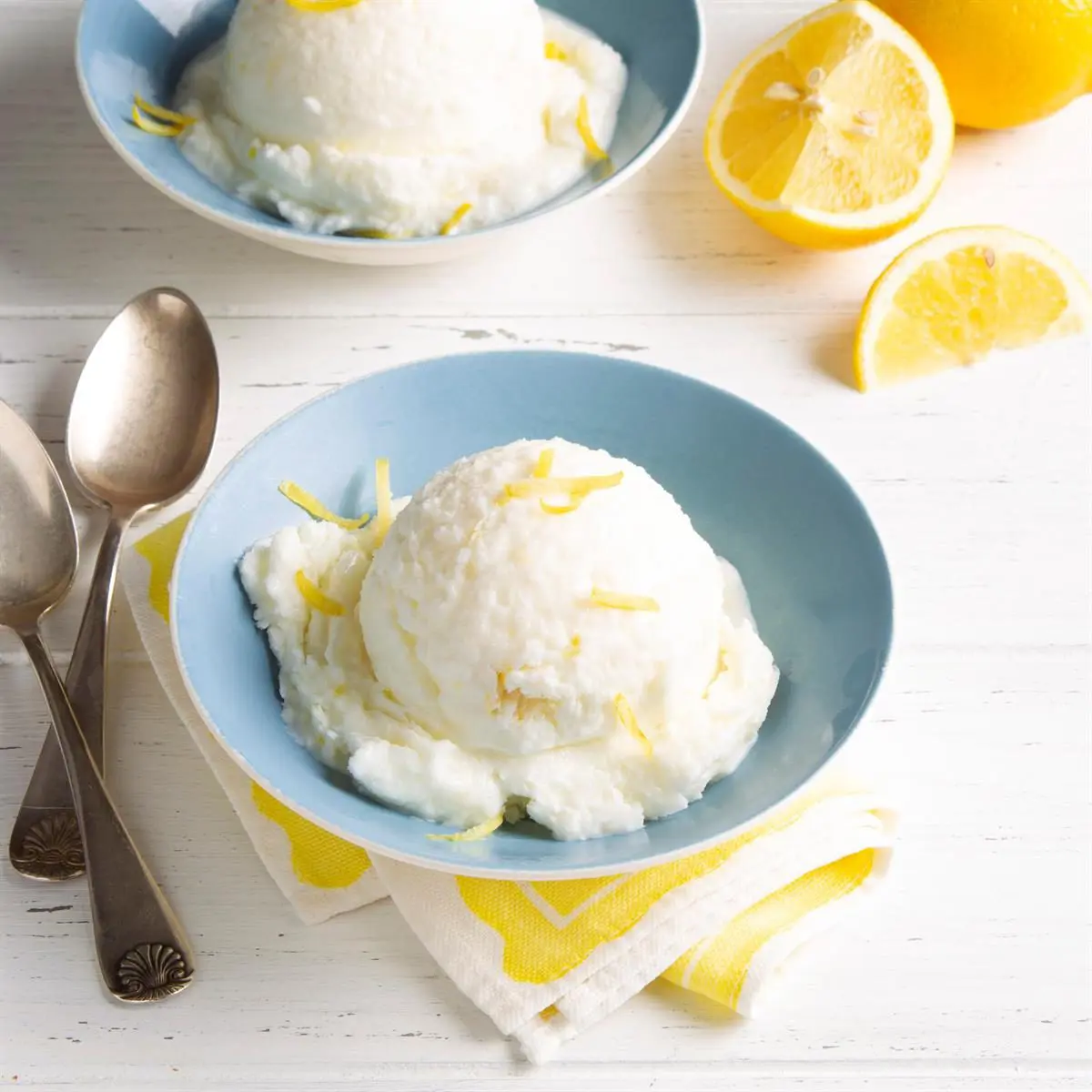
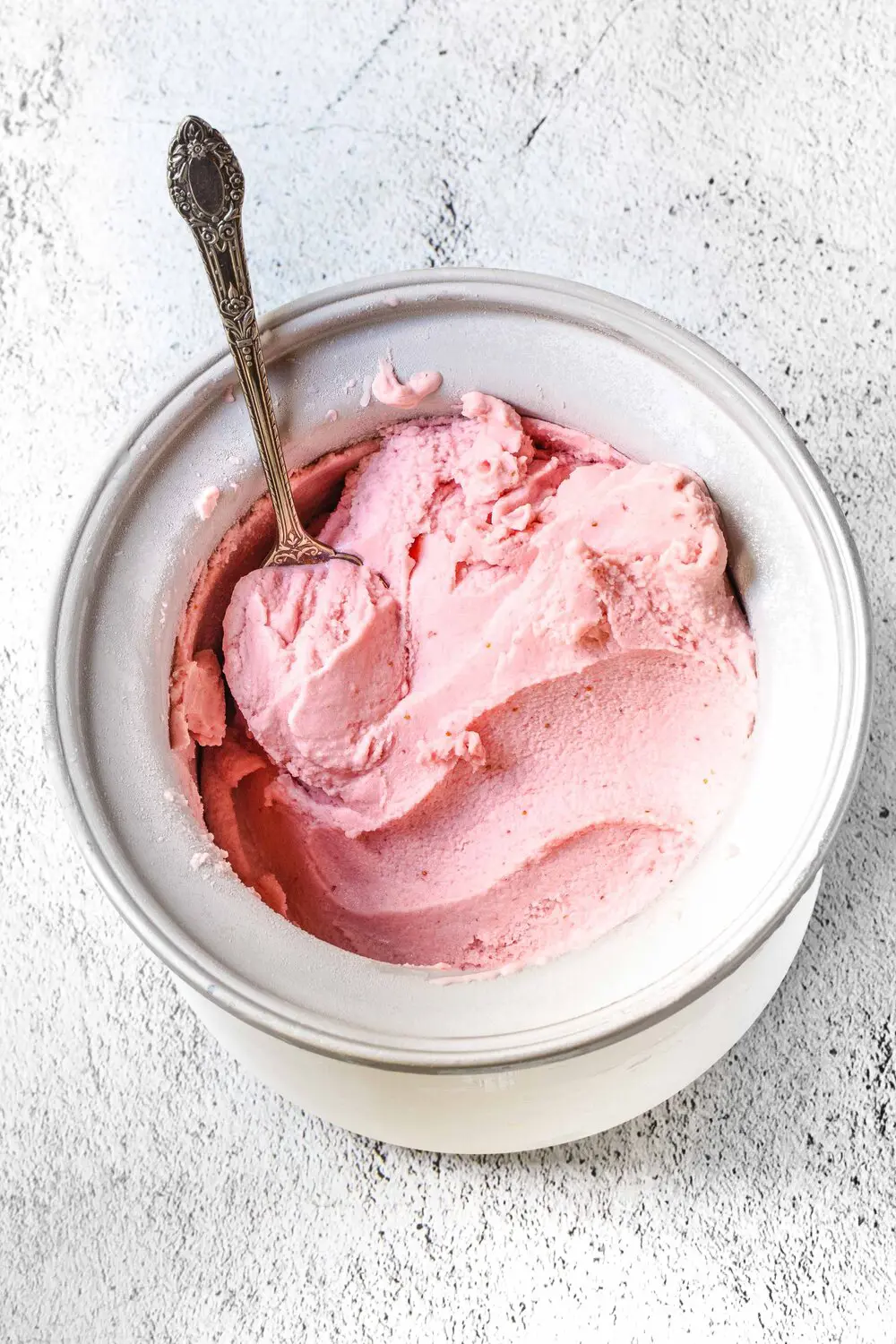
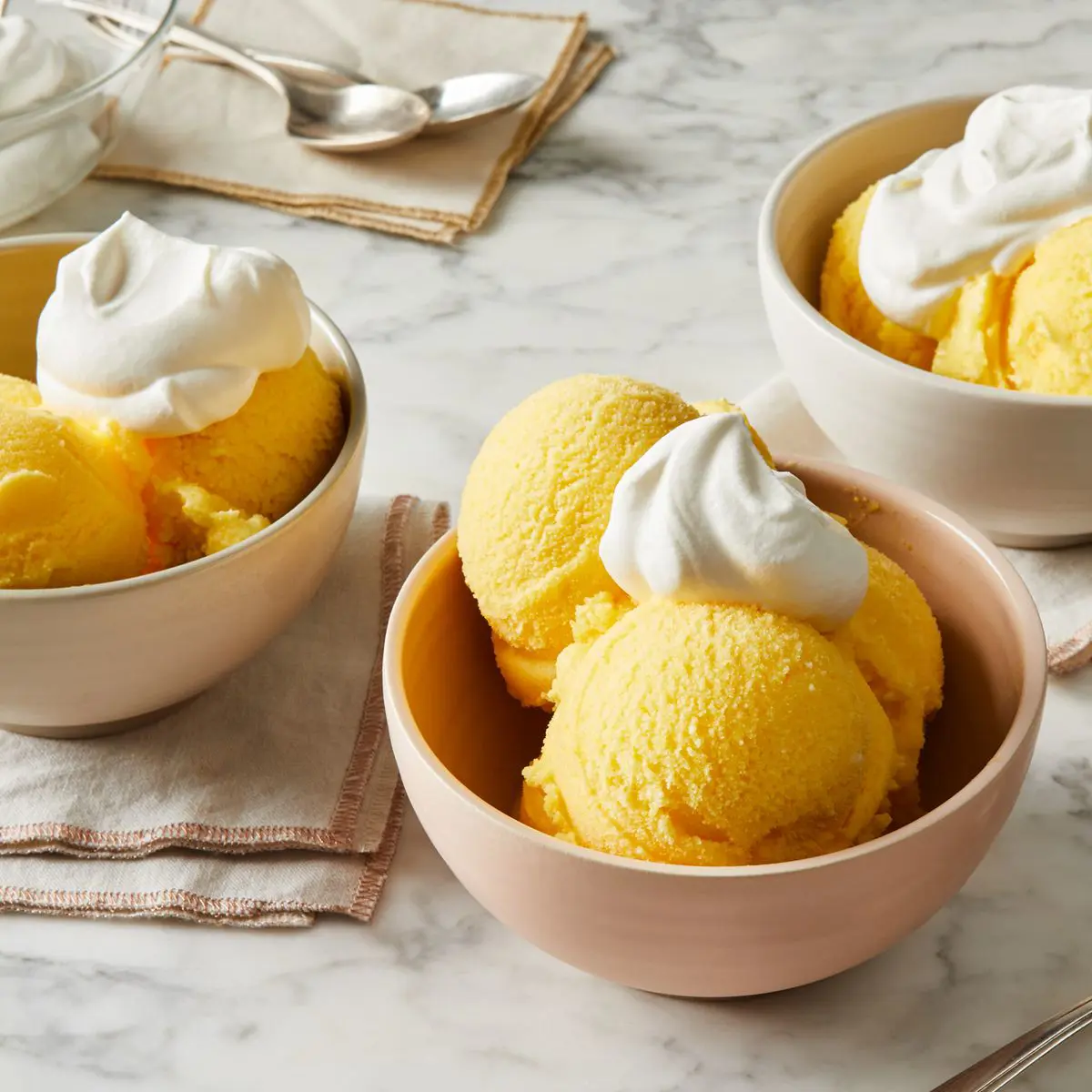
Sherbet has a similar fruity base to sorbet, consisting of fruit juice, puree or syrup mixed with sweeteners. However, sherbet also contains 1-2% milk or cream. The dairy provides a smoother, creamier texture and an additional layer of flavor.
Sherbets fall between sorbets and ice cream in terms of fat and milk content. They derive some sweetness from the fruit components but also require more added sugar than sorbet due to the dairy. Popular sherbet flavors include orange, lime, mixed berry and rainbow.
When it comes to texture, sorbet and sherbet differ primarily in creaminess. Sorbet has a light, crystalline consistency owing to its lack of dairy ingredients. Made from fruit juice, sweetener, and water, sorbet is smooth and icy but not creamy. It melts fairly quickly once served. The mouthfeel is refreshing and zesty.
Sherbet, on the other hand, derives some creaminess from its dairy components. Typically containing 1-2% milk or cream, sherbet has a richer, creamier texture than sorbet. The small amounts of fat and air incorporated provide a fluffier, smoother consistency. Sherbet melts at a slower rate than sorbet. The mouthfeel is cool yet luscious.
While sherbet has more body than sorbet, it is still lighter in texture than ice cream due to its lower fat content. In terms of consistency, sorbet is icy and granita-like, while sherbet is creamy but not overly rich. Sorbet offers refreshment; sherbet provides decadence.
Sorbet and sherbet differ in taste due to sherbet's dairy content. Sorbet tastes light, bright, and intensely fruity since its only flavor comes from fruit juices or purees. Sherbet has a more complex, rounded taste with subtle dairy notes enhancing the fruit flavors. The milk or cream contributes a rich, creamy dimension that balances out the fruit's acidity.
Sherbet tends to contain more sugar to complement dairy. So while sorbet offers pure fruit zest, sherbet provides a more tempered sweet-creaminess. It's a matter of preference whether one enjoys pronounced fruitiness or a more nuanced fruity-creamy profile when indulging in these frosty treats.
As frozen fruit concoctions, sorbet and sherbet lend themselves to countless flavor possibilities.
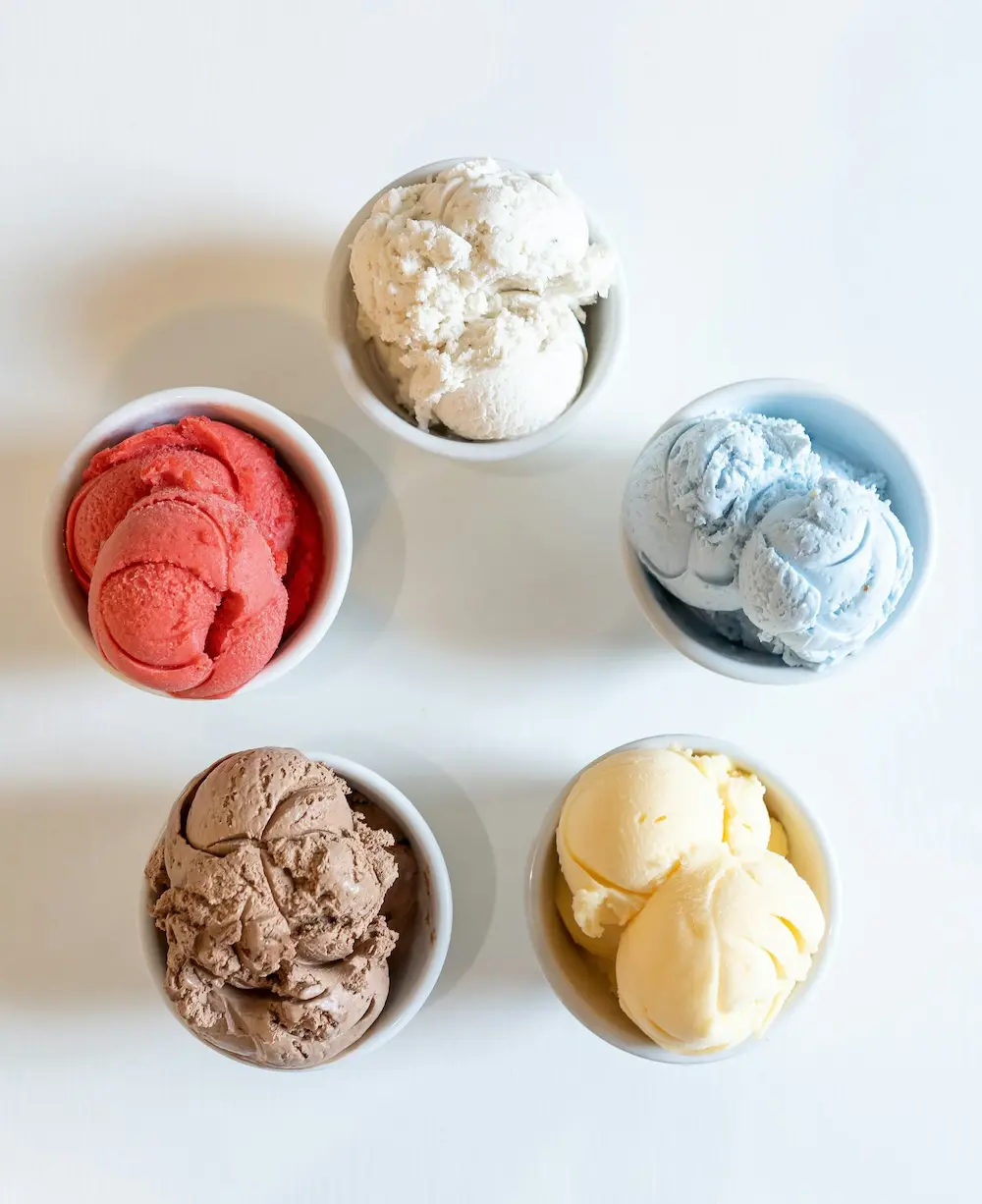
Popular sorbet flavors include refreshing options like lemon, raspberry, mango, strawberry, and other tropical fruits. Sorbet also comes in flavors like pomegranate, cherry, peach, and more. Its fruit-forward tastes lend themselves to herb and flower infusions too, like lavender or rose.
For sherbets, classic options include orange, lime, mixed berry, and rainbow. Other fun sherbet flavors include pineapple, watermelon, grapefruit and more. If you're looking for more premium variations, you can also add chocolate or other spices to complement the fruit. Premium versions may use unique fruit purees like blood orange, passionfruit, or lychee.
Mix-ins like cookies or candies can be incorporated too. Both frozen treats also work well in slushie, float, or soda forms for added refreshment.
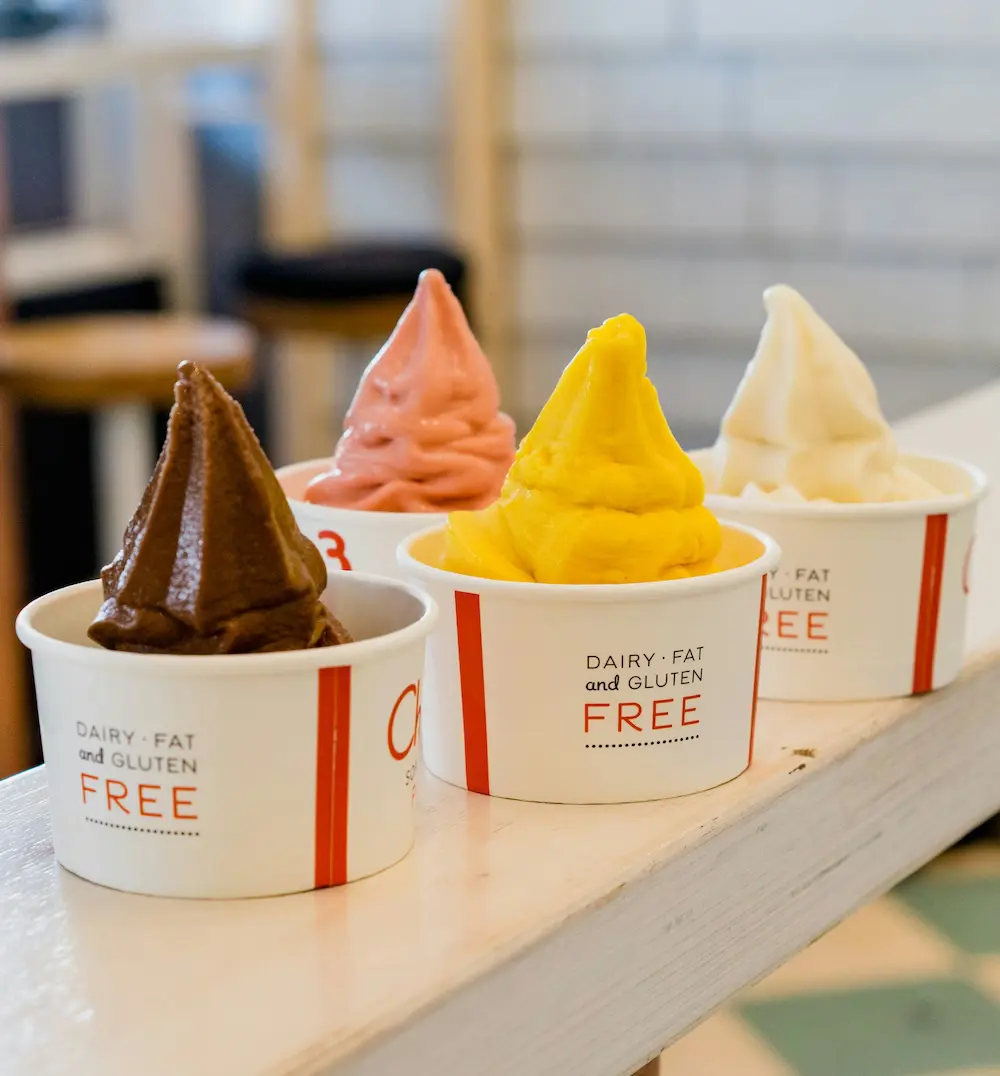
An important distinction is that sorbet contains no milk or cream, making it suitable for vegans and lactose intolerant. Sherbet’s dairy content means it is not suitable for vegans or the dairy-averse. Those with lactose intolerance can often tolerate small amounts of milk, so sherbet may be an option depending on individual tolerance levels. People with milk allergies, however, need to avoid sherbet entirely.
So, in the modern world, sorbet provides a fruity icy dessert option for those who are either cutting dairy from their diet and have allergies specific to the components, making it a more viable option.
When comparing the nutritional profiles of sorbet and sherbet, sorbet often comes out on top as the healthier choice. Since sorbet contains no dairy, it has zero fat and cholesterol. Sherbet, with its milk or cream content, contains some fat, cholesterol, and protein.
In terms of calories, sorbet is lower, with about 140 calories per serving compared to sherbet which can have 150-200 calories. The primary sweetener in sorbet is fruit, requiring minimal added sugar. Sherbet often contains more added sugars to compensate for the dairy. Sorbet provides more vitamins and antioxidants from its fruit base, while sherbet offers some protein and calcium.
For those watching their weight or calories, sorbet is the more waistline-friendly option. The lack of dairy also makes sorbet suitable for vegans and the lactose intolerant.
Sorbet and sherbet lend themselves to creative serving possibilities beyond cones and cups. Sorbets are an ideal base for summery cocktails, paired with prosecco or fruity liquors. They work beautifully layered in parfaits with fruit and crumble toppings.
Sherbets also pair well with fruit desserts and make a lighter cake or pie filling. Since both can be scooped, you can add them over slices of pie or pound cake for an elevated à la mode. For parties, decorate tubs of sorbet or sherbet with fun toppings to stir in at the table.
Compared to ice cream, both sorbet and sherbet are lower in fat and calories due to the lack of egg yolks and lower amounts of cream. Sorbet is made from fruit, sugar, and water and contains no dairy, so it has an intensely fruity flavor and a light, smooth, and icy texture. Sherbet falls between sorbet and ice cream with about 1-2% total fat content.
Ice cream, in turn, contains cream or milk, egg yolks, sugar, and often fruit or other flavors. It has the richest texture of the three - creamy, dense, and smooth. It contains milk or cream which amounts to about 10-16% of the total composition of the treat.
While sorbet and sherbet make a nice lighter substitute for those watching their diet, for ultimate richness and indulgence, ice cream still reigns supreme in creaminess and mouthfeel. So, consider sorbet and sherbet as nice lighter alternatives in the frozen aisle.
Sorbet and sherbet each have their merits when only a bright, icy fruit creation will do. With its intense fruity flavors and dairy-free lightness, sorbet excels at providing zesty refreshment. Sherbet offers a richer taste experience with its hint of cream rounding out the fruit.
So whether you’re dairy-free or looking for the ultimate indulgence, pure fruit zing or creamy decadence, sorbet and sherbet both have something cool and delicious to offer. The next time you’re faced with the freezer aisle, give them both a try and decide which reigns supreme based on your palate.