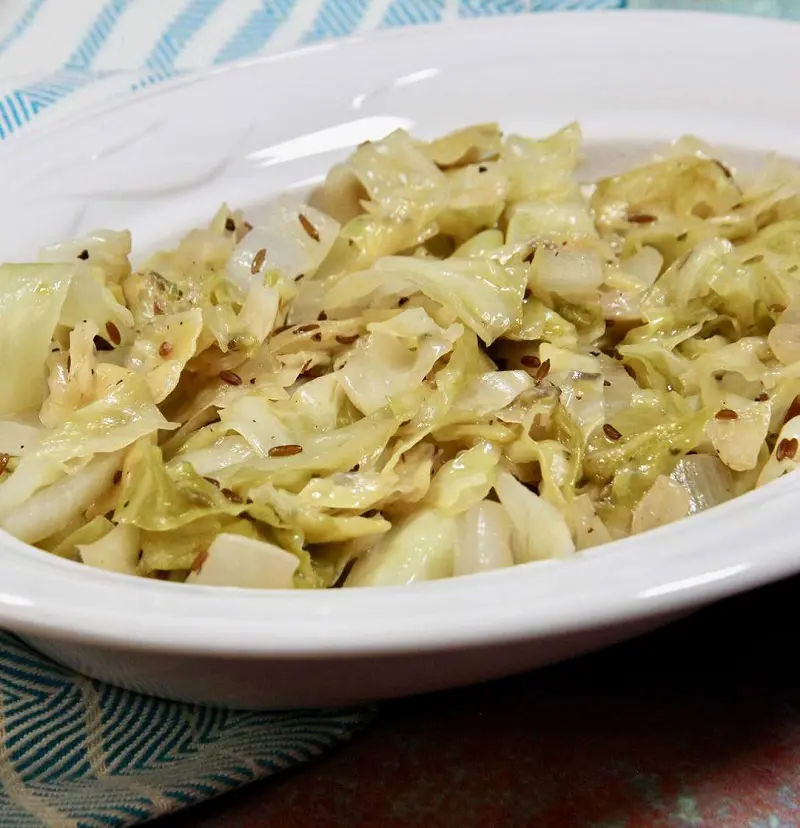
Cabbage is a cultured plant that is consumed in the form of vegetables. This versatile vegetable has tightly packed thick leaves on the outside and has a globular heart covered inside the young leaves. It is consumed as a staple vegetable all over the world for multiple cuisines.
Cabbage is often overlooked among others, it is a rich source of Vitamin C, Fiber, and Vitamin K that supports good digestion and a healthy heart. That is why it is extremely nutritious to eat cabbage as it works like magic to improve the immune system.
Choosing The Right Cabbage
This four thousand years old plant has a wide variety to choose from and is appreciated for its ability to be stored for a longer time making it an important source of food during the winters.
Among the varieties, the following are the main types of cabbage.
Red cabbage: It is a firm yet textured cabbage with deep purple and dark red leaves. The earthy taste of this dense variety of cabbage is more pronounced and crisp when fresh. It also has a subtle sweetness to the tone.
White Cabbage: This cabbage is the most common type of cabbage and is being used in households. Commonly known as green cabbage, this mild and sweet-tasting cabbage has a pale green color head layered in leaves.
Savoy Cabbage: This green-colored leafy vegetable tastes mildly nutty to the palate. It grows packed in lacy leaves in a crinkly spherical head.
Spring Cabbage: Commonly known by the name of spring greens, these are loosely packed cabbages. Carrying a bit of sweet taste, this small but dense variety of cabbage has loose heads without any heart.
Hispi Cabbage: Also known as sweetheart cabbage, this variety of cabbage has a leafy appearance with a cone-shaped pointy body. Being sweeter than the normal cabbages, this is a perfect choice for salads and as it is more tender than others, it also cooks very easily.
Although the cabbages vary in their taste, texture, and shape, there are some common things to remember when picking up a cabbage.
The cabbages that feel heavier than the size are good choices for purchase, especially those that have no blemishes or bruises. The cabbages should not be separated from the stem, and once done, it indicates that the cabbage can be spoiled.
In the case of wilted leaves, a few of the outer leaves are okay but the inner ones must be clean, unbruised, and crisp.
It is an extremely important step to take for cooking the cabbage. Whether a small or large number of people, prepare the cabbage, the below-mentioned preparation process remains the same therefore, do the steps.
Clean the hand with soapy water and dry it with a towel. Wash the cabbage well by hand and rub its surface off to get rid of any dirt or dust still there
Peel off the outer leaves that are hard to touch, one by one until younger and softer leaves hidden inside come to the vision.
In the case of bruising and blemishes, get rid of such leaves as well.
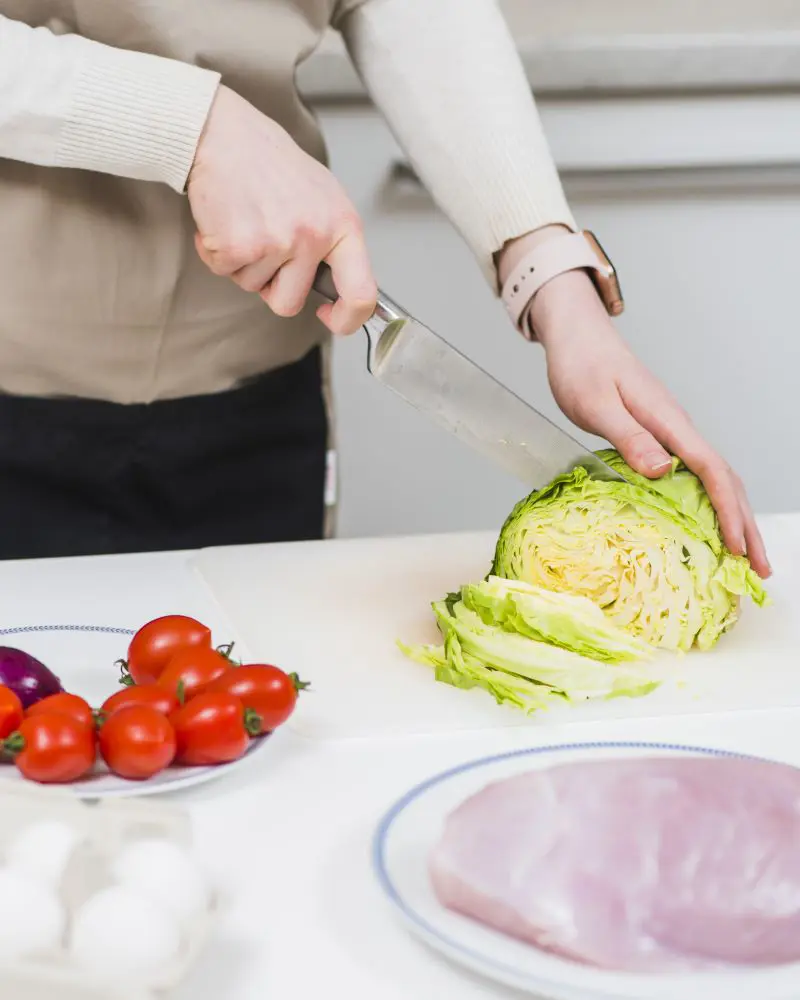
Cut the cabbage in half vertically trimming up the core at the root end through the middle.
The veins in the center of each leaf are rough therefore, it can be taken off and set aside for another dish or to use later.
Slice or shred the half-cut part of the cabbage into the size as per the preference and set it aside to cook.
Best Ways to Cook Cabbages
There are multiple ways that cabbage can be made, here are some of the commonly used methods to cook cabbage:
1. Roasting
Ingredients
Cabbage
Oil
Salt
Black Pepper
Cumin powder,
Red Pepper flakes
Garlic powder
Lemon
Fresh parsley
Equipment
Pan/skillet
Spatula
Knife and cutting board
Thermometer
Mixing Bowl
Oven/ Stove
Baking sheet (for oven)
Instructions
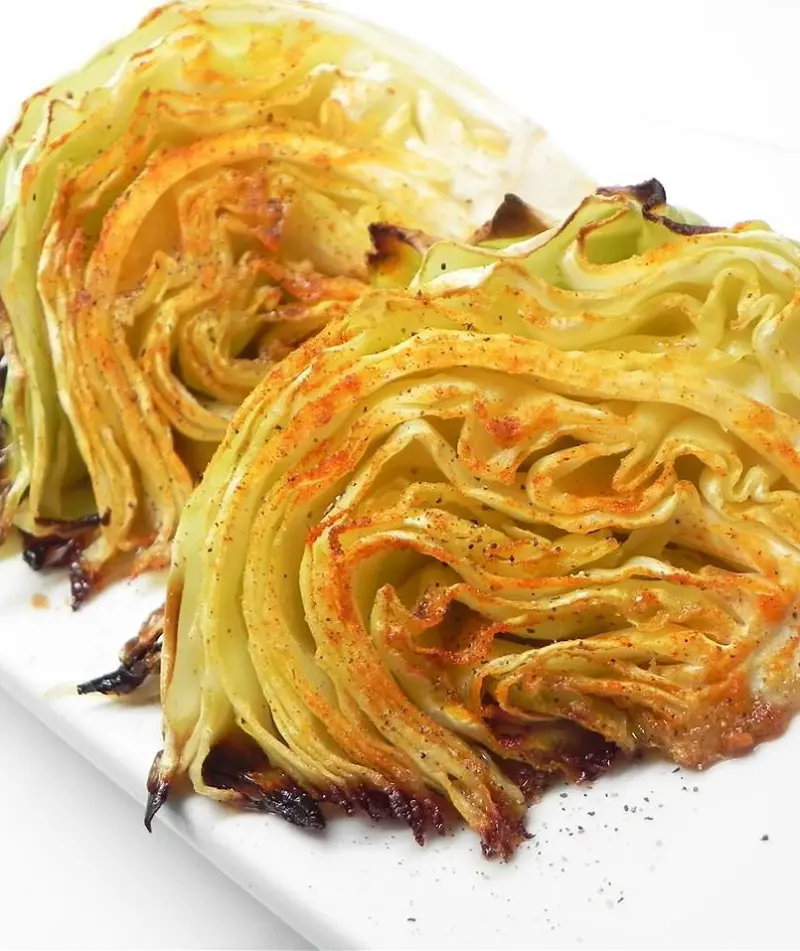
Cut the cabbage into wedges keeping the core and set aside.
Preheat the oven to 230 degrees Celsius for 15 minutes.
Make a spice mix of garlic powder, cumin powder, pepper flakes, pepper, and salt.
Sprinkle the spice mix on both sides of the cabbage wedge.
Place the sprinkled cabbage on the baking sheet and roast.
After it is done on one side, flip the cabbage and roast another side repeating the process. Until it turns brown in some places.
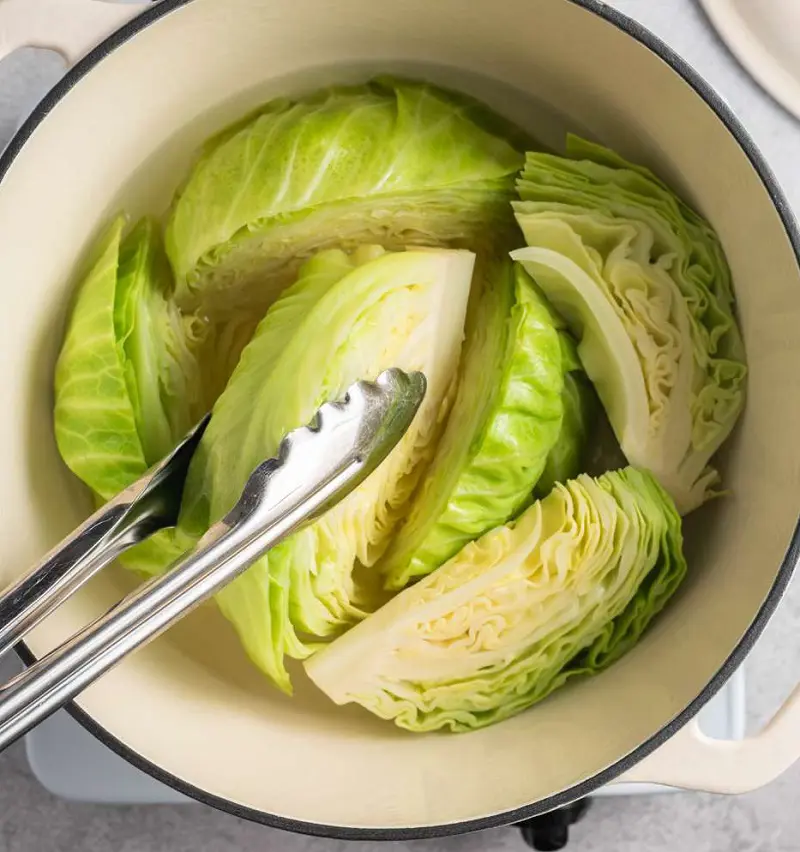
Chop the cabbage into four big wedges and keep aside.
Take a deep vessel.
Pour a little Oil on the vessel and heat it.
Add cumin seeds, carom seeds, black sesame seeds, and red chili to temper.
As the seeds pop brown, add onion, garlic, cilantro stems, salt, and some fresh parsley in the same oil.
After the onion and garlic turn tender and fragrant, pour water or broth into the mix. Preferably broth.
Turn the heat on the highest and cover with the lid to let the water come to a boil.
After it starts boiling, turn the heat down to medium to low and simmer for 3 to 5 minutes.
This will extract a lot of flavor from the water.
Then add the cabbages that were set aside and turn the heat up to highest once again.
Cover the vessel and let it boil for 5 minutes.
In case of boiling whole cabbage, poke some holes in the cabbage at random places submerge it in the flavored water boil for 2 to 3 minutes, and simmer it for more than 10 minutes.
After done, check for doneness by poking the core with a knife or fork. If easy to pierce, it is ready to take out
Take the cabbage out of the water, cut it into the desired shape, top it with butter, and share.
The leftover water can be used as a soup or can be strained and stored to use as a broth.
1. Roasting: Roasting is a process that will take about 45 to 50 minutes. The pan will have to be pre-heated for 15 minutes and then the edge of the cabbage will have to be roasted for 15 minutes one by one on each side of the wedge.
If served hot, 45 minutes will be enough but in case of serving only warm roasted cabbage, let the finished product cool on the countertop for a maximum of 5 minutes. Thus the extra 5 minutes.
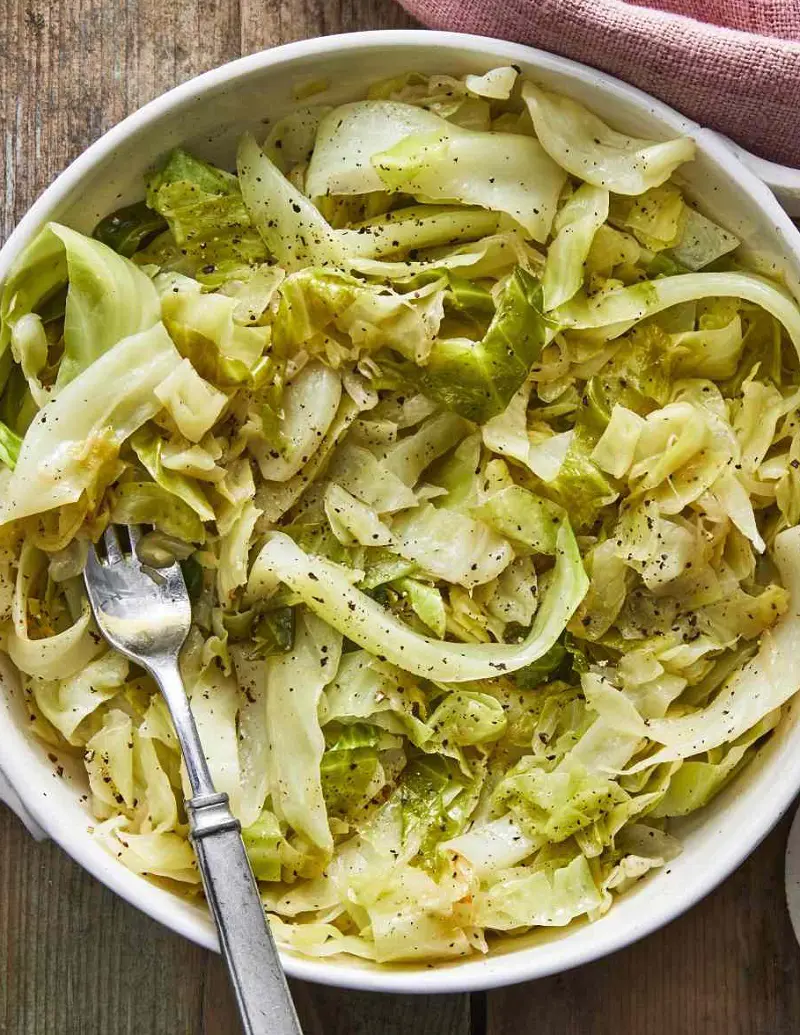
2. Steaming: Steaming of the cabbage can be done by two different methods. The above-mentioned is the first one which will take 8 to 10 minutes to be done after preparations. It is because the cabbage is being cooked with steam directly inside the pan.
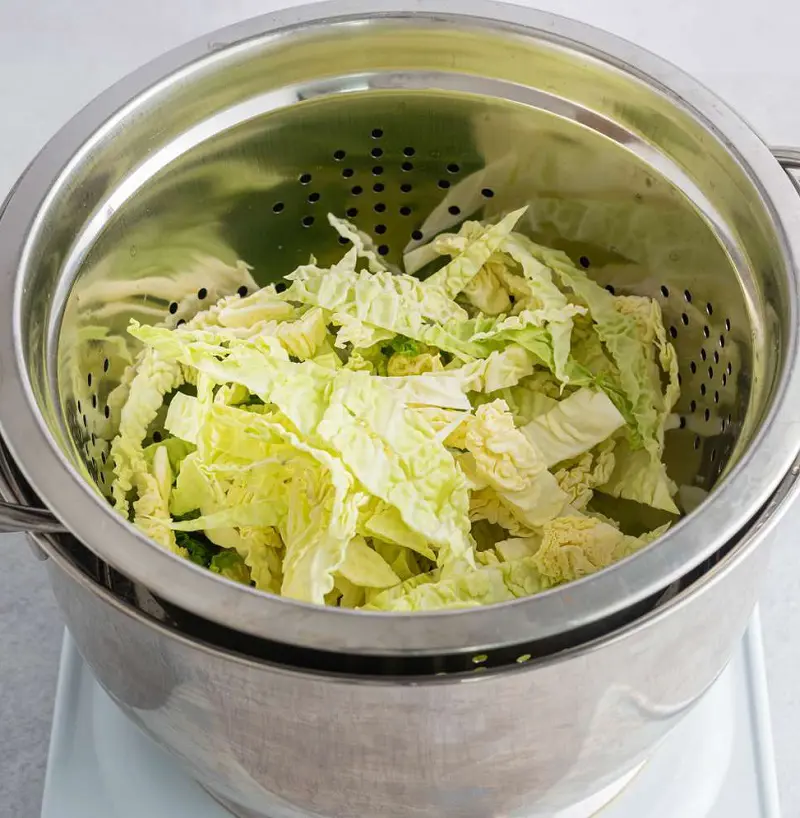
The second method is when the cabbage is kept in the steaming basket put inside the pan with the lid and cooked. This process will take over 10 to 15 minutes because of the layer cooking process. This process gives a milder flavor than the previous one.
3. Boiling: Boiling a cabbage is one of the easiest methods to cook. If the cabbage has been cut, it will take about 7 to 10 minutes to boil perfectly.
However, if the cabbage is boiled whole, it will take longer to boil completely. The cabbages will have to be poked to let the heat pass in the heat and boil. Then the heat will have to be lowered to let the cabbage cook in the simmer. This will not overcook the outside and undercook the insides.
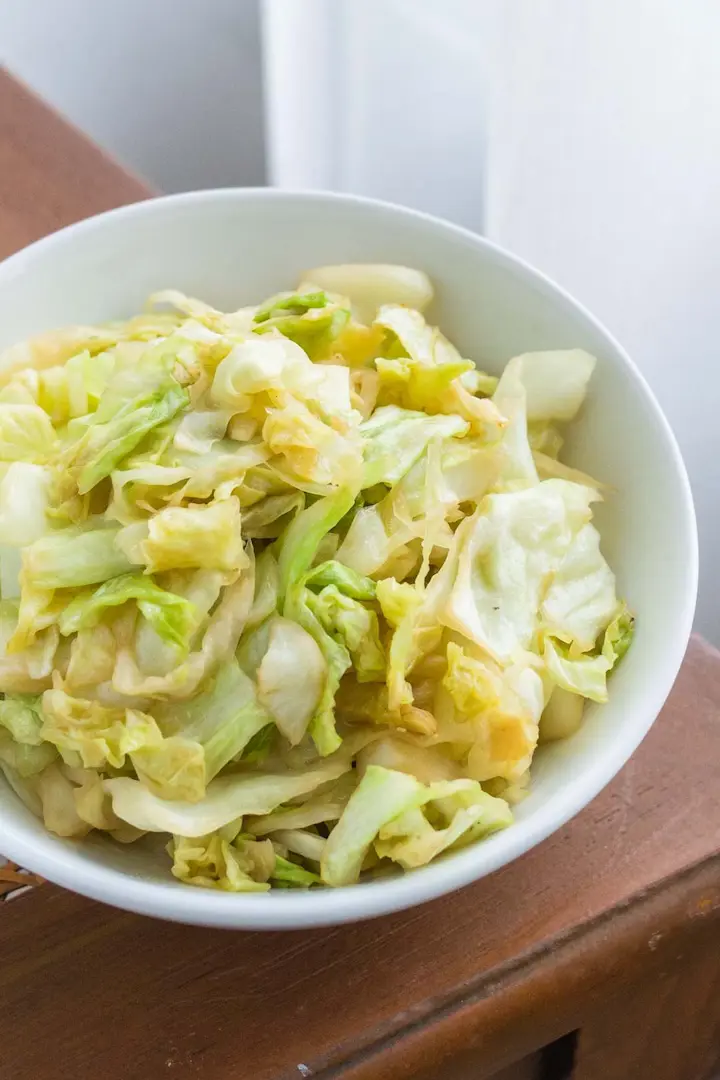
4. Sauteing: To saute the cabbage is a one-pot job. The preparation of cabbage, mixing, and cooking till tender will be done in about 10 to 12 minutes. But the additional time is due to the caramelizing. It will take about 2 minutes of cooking time. Therefore whole 15 minutes
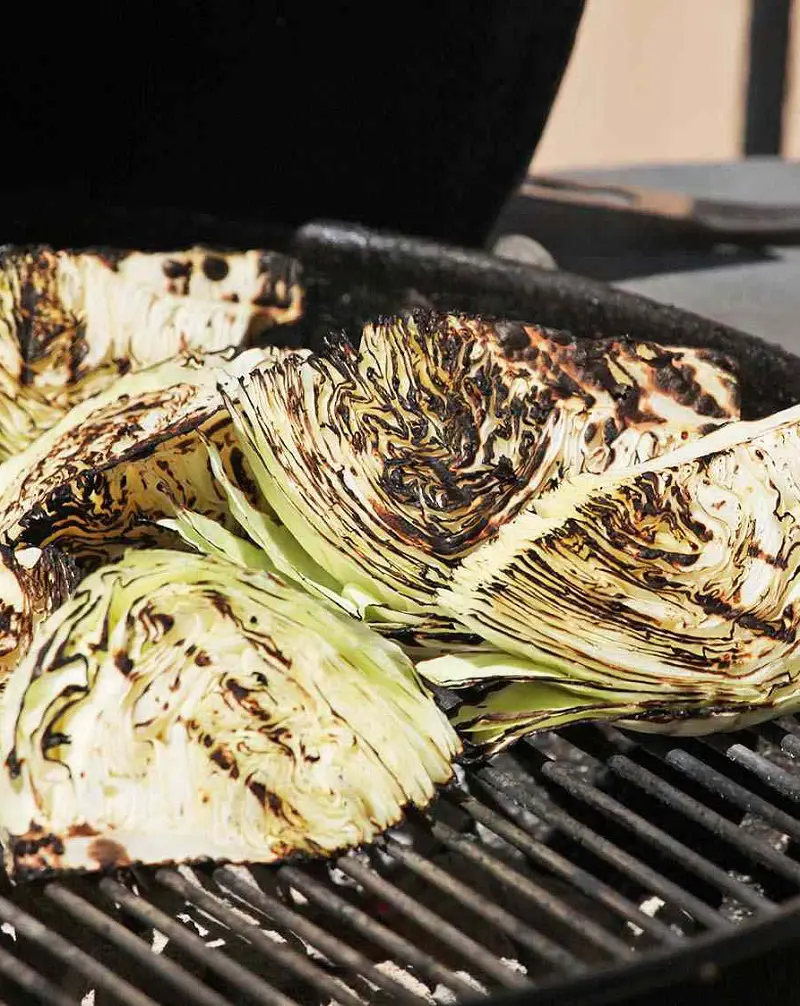
5. Grilling: The process of grilling the cabbage requires 20 to 25 minutes to cook properly excluding the preparation time. The grill will have to be preheated for 15 minutes.
As for grilling the cabbage wedge, both sides will be done in 10 to 12 minutes. That is why the time needed of almost half an hour.
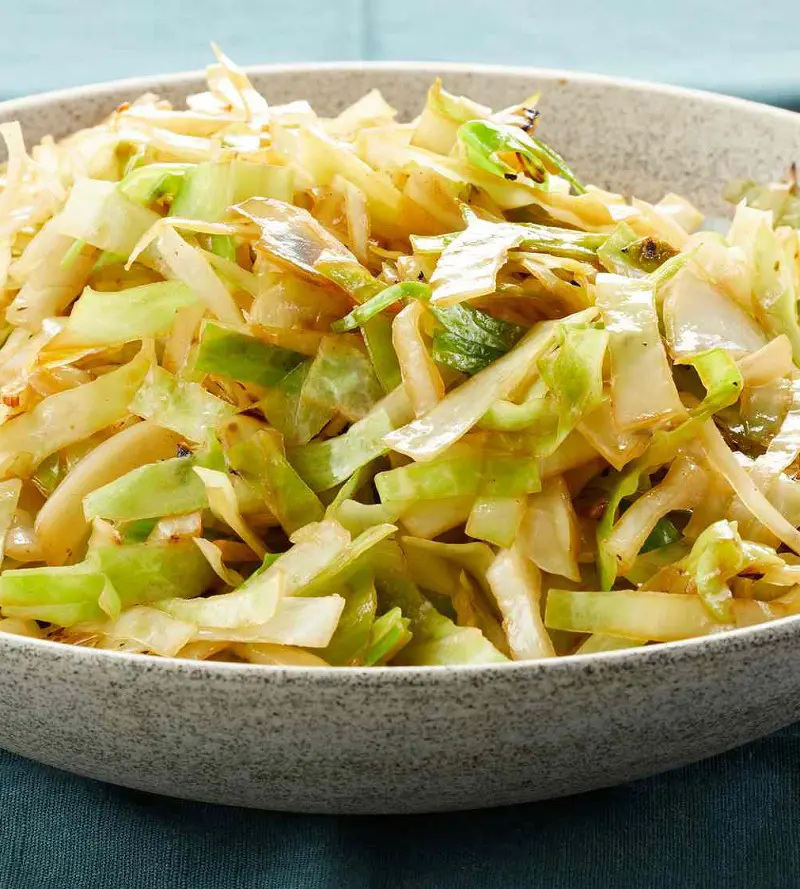
6. Stir-frying: To stir fry the cabbage, a whole 15 minutes of cooking is required. As the cabbage will be cooked in low to medium heat, it will take a bit of time but will come out amazing.
7. Braising: This method of cooking will take about 30 minutes to cook. The onion and cabbage will have to be sauteed first which will take over 5 minutes.
Then after the water is poured, it will take time to boil and then stewing will take over 20 minutes or so. Thus the effort of almost half an hour as the rest of the time is required to prepare as well.
Tips To Cook Cabbage
While cooking or making cabbage, there are some of the things that need to be remembered.
Any type of cabbage can be used for any kind of method. However, the cooking time varies according to the texture of the cabbage.
Green cabbages are an all-rounder as they can be used for any type of cooking.
Red cabbages can also be used as a natural color. Therefore, in the case of boiling, red is not the best choice as it sheds color.
Giving an ice bath to the cabbage after it is boiled can also give a soft crunch but it is not recommended unless used for salads.
Author
Editor
Uttam Thapaliya
Uttam Thapaliya is an accomplished Sous Chef at Hilton Hotel Kathmandu, bringing extensive culinary expertise from his diverse experience in prestigious international hotels. Prior to his current role, Uttam served as Sous Chef at Hyatt Centric Soalteemode Kathmandu and held the position of Junior Sous Chef at Jumeirah Emirates Towers. His earlier career also includes working as Chef de Partie at Jumeirah at Saadiyat Island Resort, where he honed his skills and contributed to world-class dining experiences.
With a passion for culinary excellence and a strong foundation in high-end hospitality, Uttam continues to make a significant impact in the culinary world. His dedication to the craft and attention to detail have made him a respected leader in the kitchen.