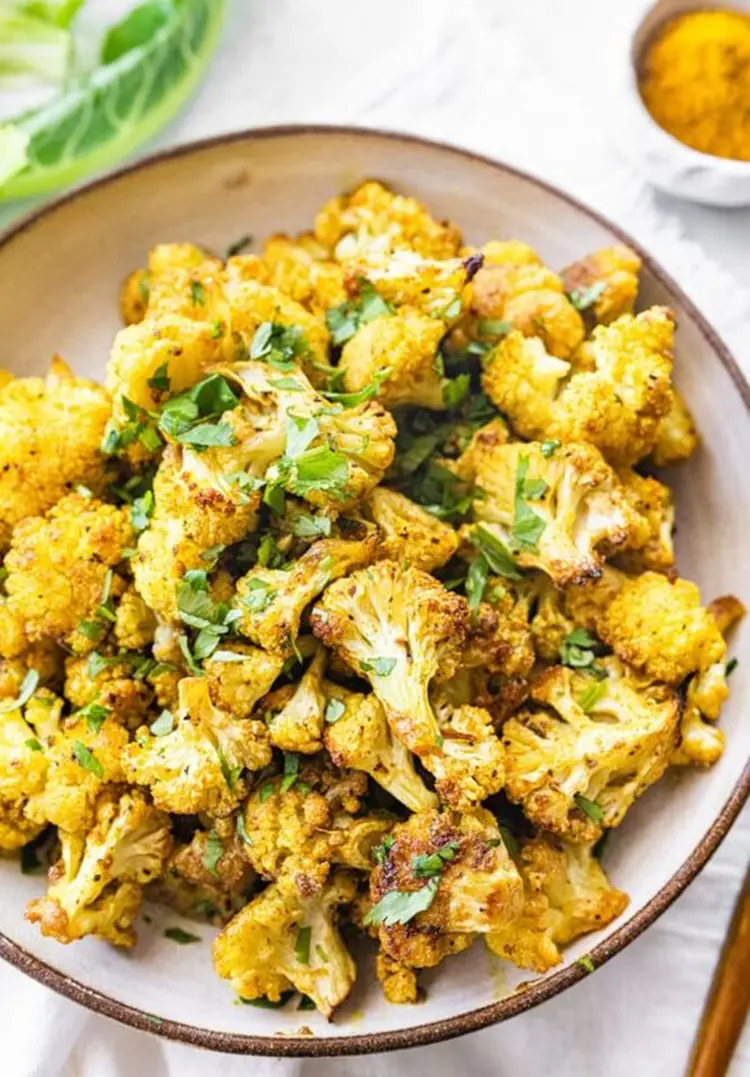
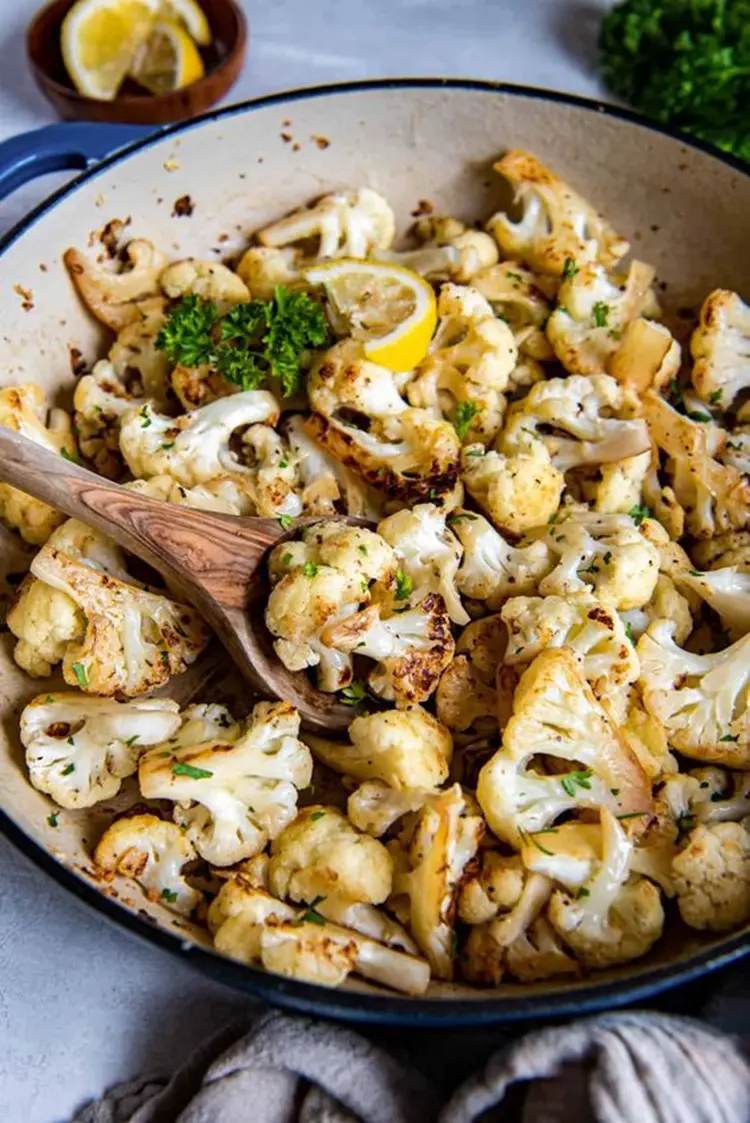
Cauliflower is having an extraordinary moment lately, everyone is talking about it and it is all over the internet. Cauliflower looks pretty and is lighter on the diet too. But! The real test for it lies in the cooking style which can make or break its taste. Worry not, we have eight different ways to cook this white flower as well as they do in those fancy restaurants.
Follow along as we break down those cooking methods for you.
Choosing The Right Cauliflowers
When selecting a cauliflower, look out for something that appears well-groomed, and has creamy white color without any brown spots or blemishes.
The florets must be tightly clustered and not show any sign of age. It is always good to see fresh green leaves; however, withered ones might mean that it is over ripe. Note the firmness and weight of the head about its size when you pick it up, the head should feel heavy.
You could give the surface of the flowers a sniff if possible, fresh cauliflower has little smell while rotten or bad odor is what you should avoid.
Even though convenience is offered by pre-cut florets, whole heads last longer in most cases. However, there are cases where some types such as Romanesco or purple cauliflowers appear different but still meet the set standards for quality which are mentioned earlier.
Therefore following these guidelines would help in sourcing cauliflowers which are fresher and sweeter and thus capable of making delicious dishes.
How to Prepare Cauliflower to Cook
First, remove all the leaves from the cauliflower head. Then, wash the cauliflower under cool running water to remove dirt or debris. Use a clean kitchen towel or paper towel to dry it well.
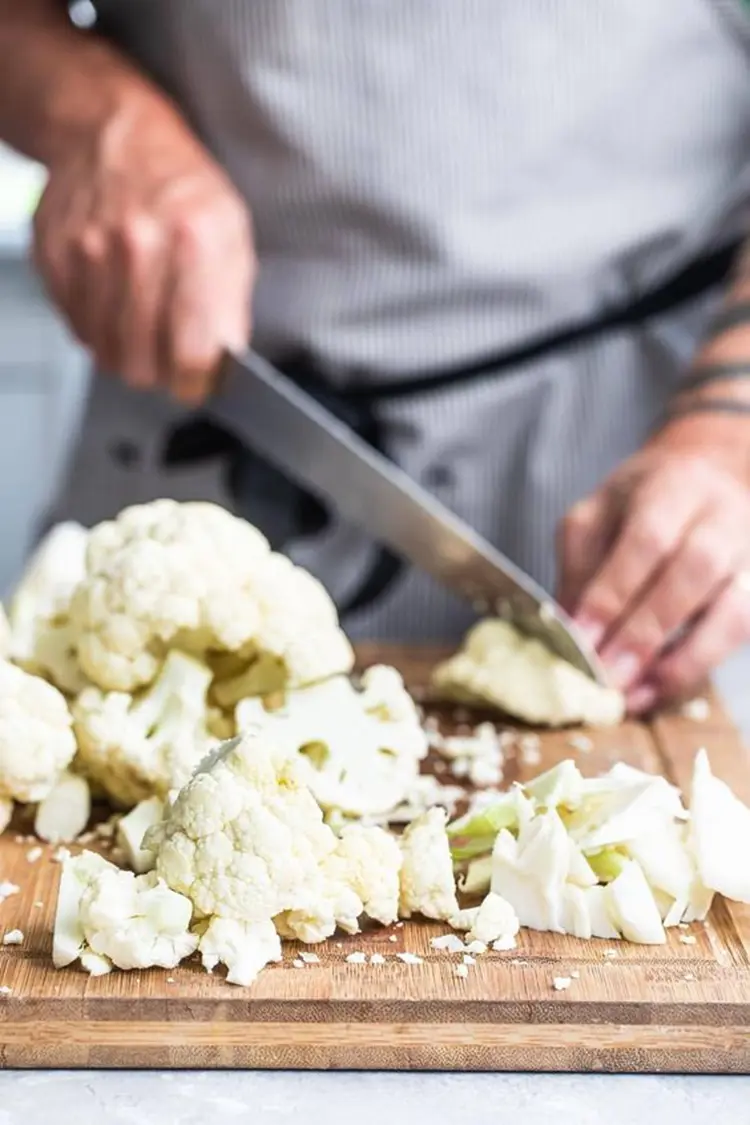
Put the cauliflower on a cutting board with the stem facing upward then cut around the core completely using a sharp knife. Break or cut the cauliflower into roughly equal small florets for an even cooking.
You may do this by hand or with a knife depending on your personal preference and the recipe you follow. Florets can also be cut further or even chopped finely if you want smaller pieces of them.
In some recipes, instead of breaking it down into florets, you might want to slice it like “steaks” cutting through the entire head vertically. If you are not used immediately after preparation place these prepared florets in the refrigerator in an airtight container, which will keep them fresh for several days ready to be roasted, steamed, sautéed, or added to any dish that you prefer.
Best Ways to Cook Cauliflower
There are many ways you can cook Cauliflowers. Among them let's learn 8 most common and relatively easy ones:
1. Roasting
Ingredients and utensils needed:
Cauliflower
Olive oil or oil of your choice (2-3 tablespoons)
Salt and black pepper
Additional Seasonings of your choice
Large baking sheet
Parchment paper or aluminum foil
Large mixing bowl
Knife and cutting board
Spatula or tongs
Instructions:
Wash the Cauliflower thoroughly, dry them with a cloth, and cut them as desired
Set and reheat the oven to 425°F
Add some seasoning like salt, pepper, oil, garlic powder, and others for marination
Spray or spread some oil of your choice on the Parchment paper and place it on the baking tray
Place the parchment or baking paper on a baking tray
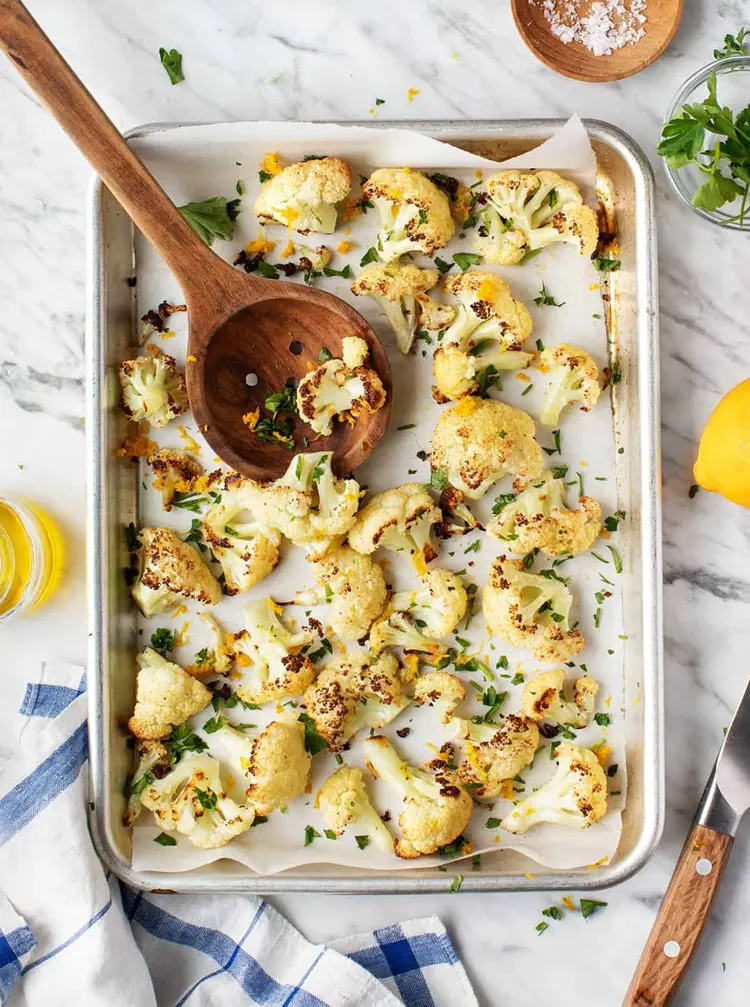
Place the Cauliflower aligned in a single layer for even distribution of the heat
Keep the baking tray in the preheated oven
Roast them for about 20-25 minutes in total in the oven
Halfway through cooking, remove the baking sheet and flip the florets to ensure even browning
Check the doneness by poking it with a fork, they should be soft
Once done, take the tray out of the oven and let rest for a few minutes
Wash the Cauliflower thoroughly, dry them with a cloth, and cut them as desired
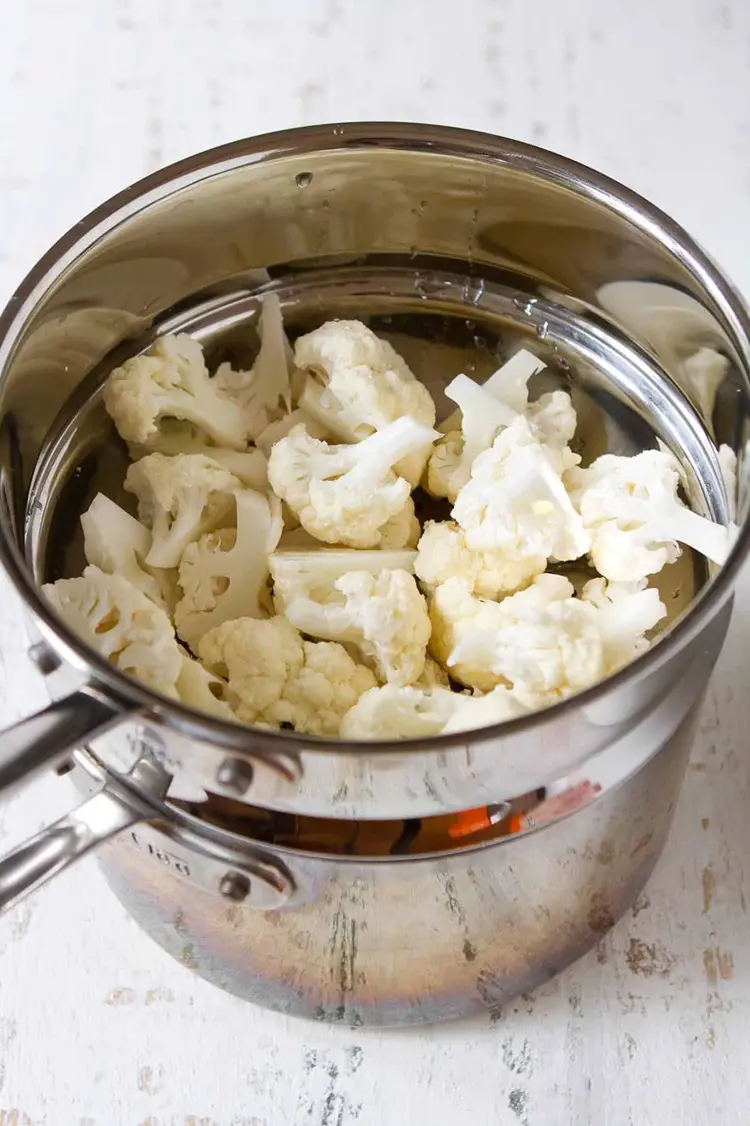
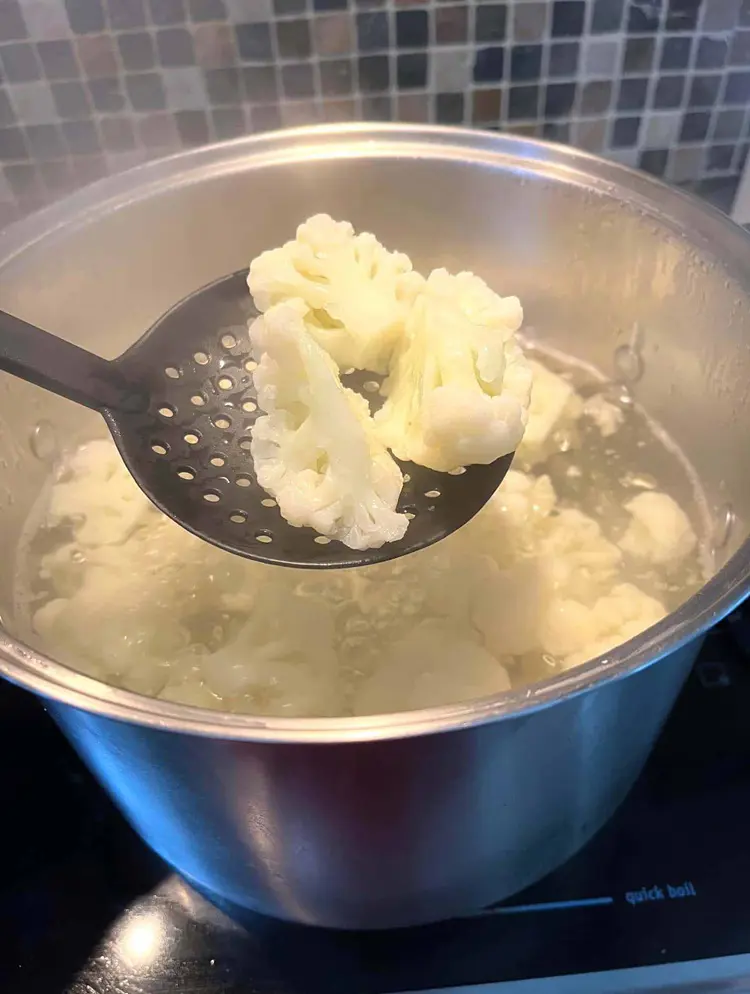
Boil enough water to submerge Cauliflower florets in a pot
Add 1-2 teaspoon of Salt in the water
After the water comes to a boil place the Cauliflower florets carefully in it
Boil the Cauliflower florets on a medium-high flame for 5-7 minutes uncovered
Pierce it with a fork or any pointy object and make sure they are soft when pierced
Once done, strain the Cauliflower florets and separate it from the water
After all the water has been drained, place Cauliflower florets on a plate and add some salt and pepper or any seasoning of your choice or may add some butter too
As mentioned in detail before, cooking cauliflower takes different times according to what cooking style you choose:
Roasting: Cooking cauliflower by roasting them takes about 20-25 minutes in total at 425°F (220°C)
Steaming: Cauliflower can be cooked by steaming which is considered the most healthy way as it helps to preserve its nutrients. The total time you need is just 5-7 minutes
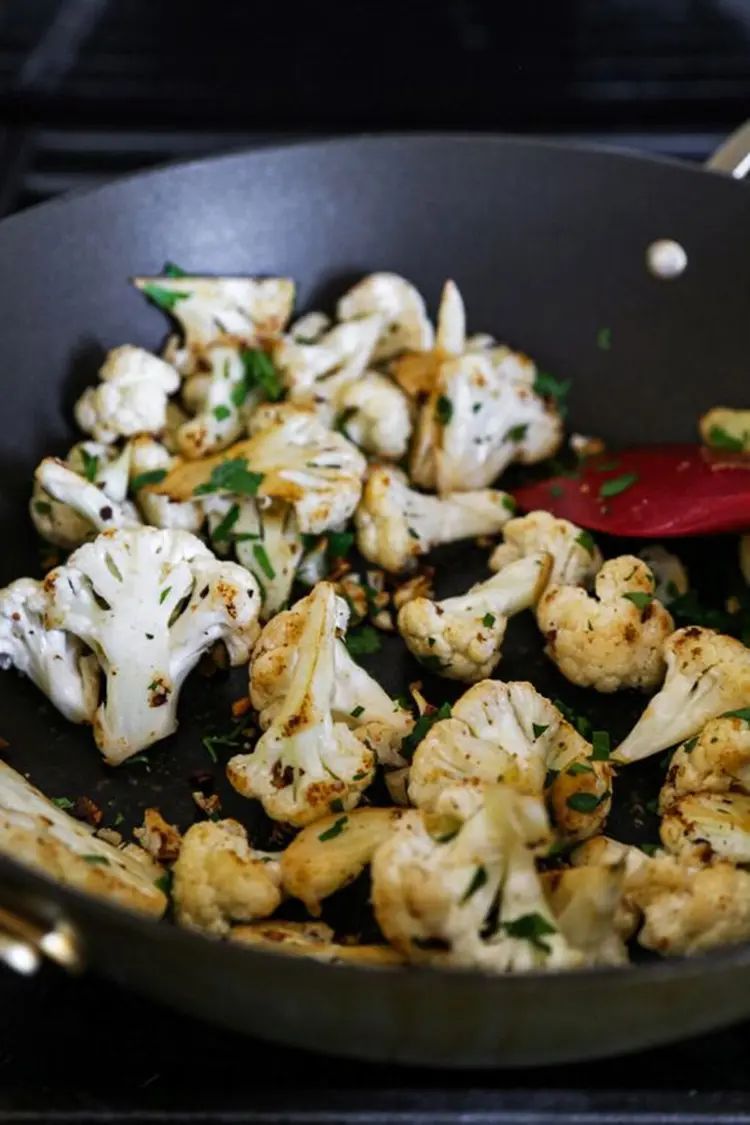
Sautéing: Sauteing the cauliflower is a quick and easy way to cook them as it will just take 5-7 minutes over medium-high heat
Boiling: Boiling this veggie also helps in sterilizing it. It will just take 5-7 minutes in salted water to cook as per your need.
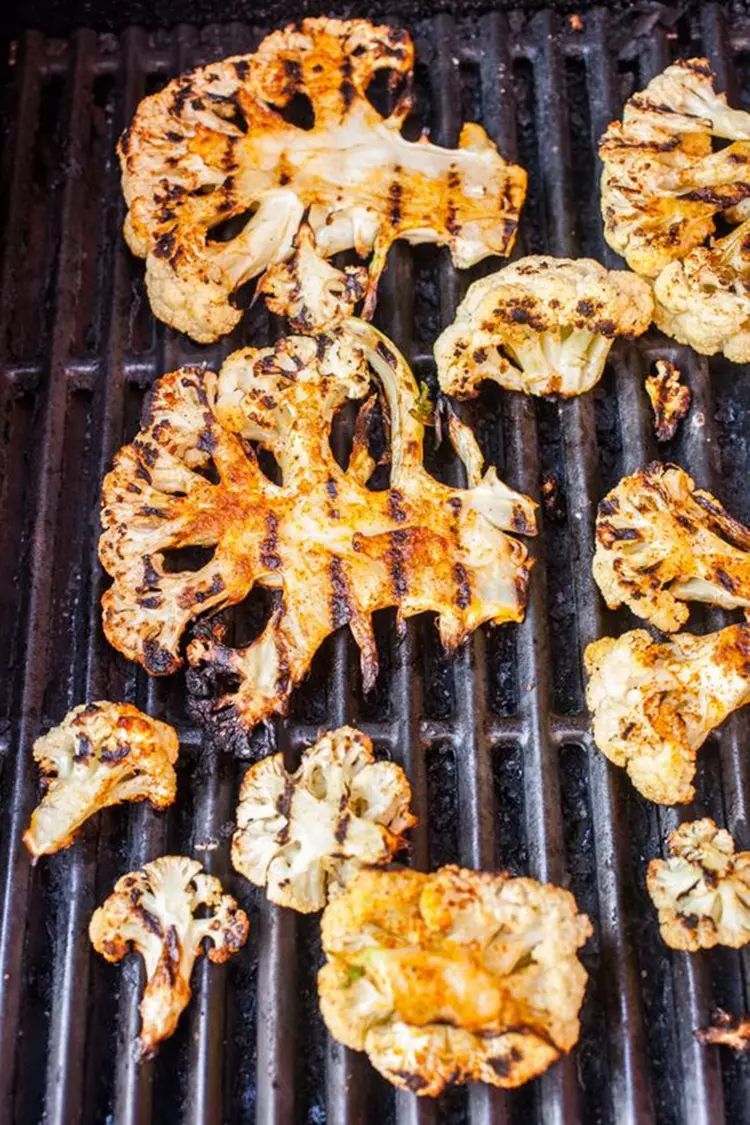
Grilling: Grilling is a fancy but effective way to cook Cauliflower, taking 5-6 minutes per side on medium-high heat
Stir-frying: To stir-fry and cook cauliflower, it will just 4-7 minutes total
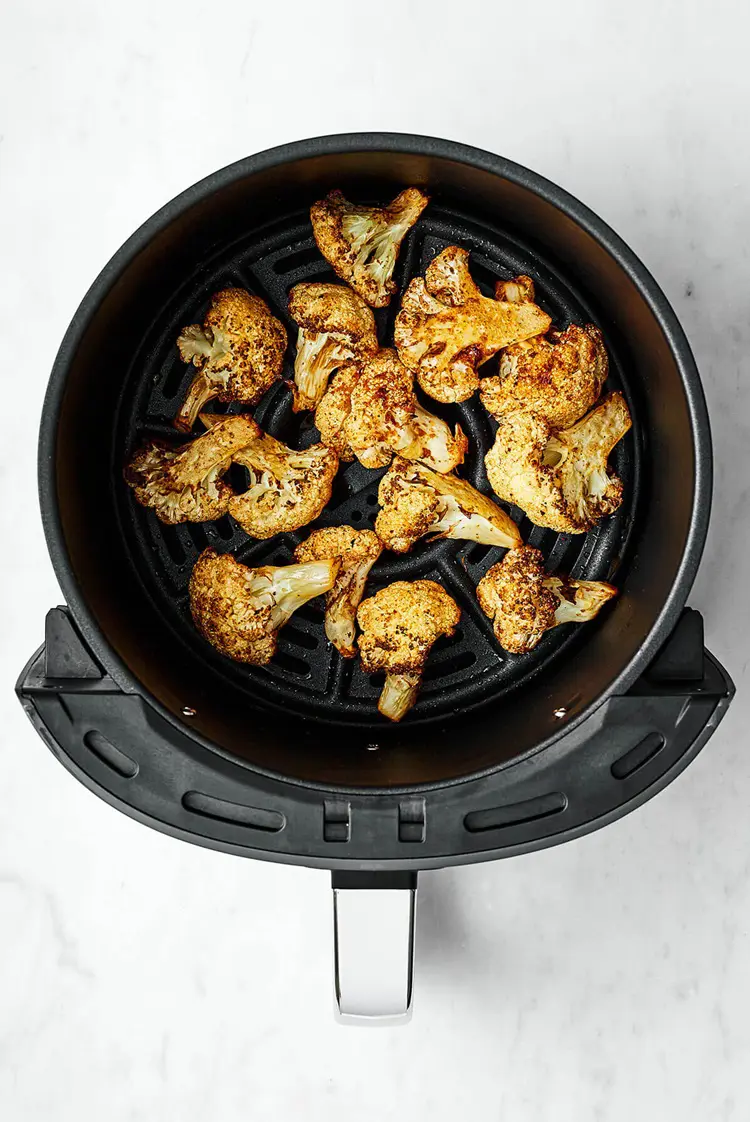
Air frying: One of the most trendy ways of cooking cauliflower is Air-frying, and is very healthy too! Just toss the marinated Cauliflower for 12-15 minutes at 375°F (190°C)
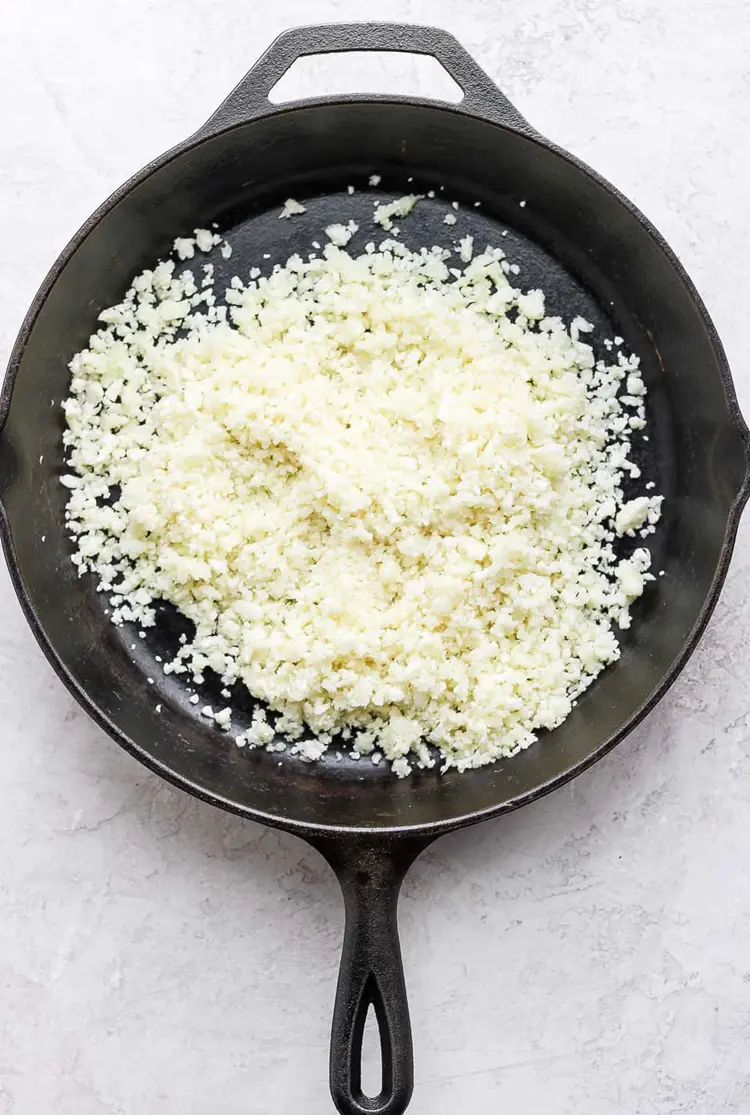
Ricing cauliflower: Just to rice the cauliflower, you can do it in 5-7 minutes
Appetizers: Cauliflower recipes are good when friends and families come over, they vary in crunch, taste, and feel, from crispy bites to creamy.
Soups: Hot and comforting meals that draw your attention to cauliflower’s silky feel while blended. They can serve as rich winter staples or refreshing chilled dishes served as light summer/lighter spring meals.
Salads: These fiber-packed veggies can be eaten raw! It can be included in healthy salads, hence providing much-needed healthiness at a low carbohydrate level.
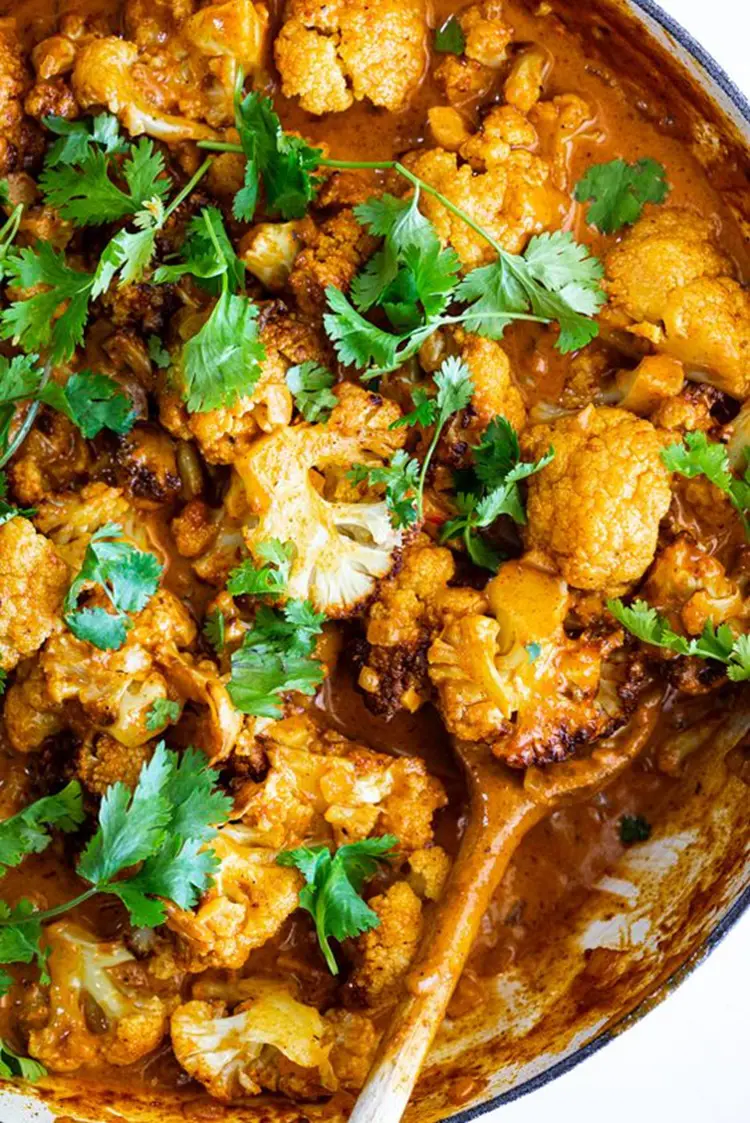
Main Courses: many meals focus on cauliflower as the main ingredient in curries. These dishes illustrate how cauliflower can become a very filling thing if you are vegan or even non-vegetarian.
Low-Carb Alternatives: Cauliflower-based substitutes for traditionally high-carb foods such as rice, pizza, and potatoes. The crust of a pizza can be replaced by riced cauliflower.
Author
Editor
Elias Mansour
Elias Mansour is an experienced Sous Chef currently working at Hilton Ras Al Khaimah in the UAE, where he brings his culinary expertise and passion for fine dining to create exceptional experiences for guests. Elias’s culinary journey includes serving as Junior Sous Chef at the prestigious Jumeirah Hotel at Etihad Towers and working at Al Habtoor Grand Resort, Autograph Collection, where he further refined his skills and leadership in the kitchen.
Originally from Abu Dhabi, Elias studied at The National Evangelical School - Hims, which laid the foundation for his career in hospitality. Now based in Dubai, Elias continues to contribute to the culinary scene in the UAE, using his global experience to innovate and lead in the kitchen.