Leeks are a member of the onion family that can be used in various dishes hence they are versatile and flavorful. They have a mild taste, which is slightly sweet, that can improve soups, stews, as well as sautéed foods thus making them popular among traditional and modern kitchens.
Therefore before cooking with them, you need to know how to clean and prepare them properly since dirt and grit often tend to hide among their layers. Mastering cooking with leeks at home can uplift your cooking abilities from simple onion-flavored recipes to sophisticated ones.
Choosing the Right Leeks
For the ultimate flavor and the absence of undesirable grit in your dishes, it is important to select the best leeks. A few important factors are to be put into consideration while shopping for leeks as these can make a big difference when it comes to your cooking experience.
Here are four major factors that you must consider:
Color: Choose leeks that have bright green tops with a firm white base. The green should be dark and fresh-looking while the white part should be clean and crisp. Steer clear from buy leeks which have yellowing or wilting tops because this means they are old.
Size: Go for medium-sized leeks around 1 to 1.5 inches in diameter. Tenderness and mildness of flavor mark smaller leeks whereas larger ones tend to be chewy and more fibrous. Medium-sized leeks provide the right balance between tenderness and flavor.
Firmness: The stalk of the leek should feel firm and solid, without any softness or mushiness. Freshness can be signaled by firmness while indicating that moisture is remaining inside the leek as well. However, soft or spongy leeks might have begun losing their vitality and wouldn’t fare well if cooked.
Cleanliness: Inspect the shallot for any discernable filth or grunge held within its segments. Although it is normal to find some dirt, very dirty leeks can be bothersome to clean and possibly possess more sand than can ever be gotten rid of. Therefore, try to buy those leeks that seem relatively tidy, especially at the bottom part.
How to Prepare Leeks
Most individuals use leeks in their recipes but they do not know how to prepare them well before incorporating them into different dishes that enhance their flavor and texture. The leeks often have dirt and grit trapped in between their layers, hence thorough cleaning as well as cutting are essential.
This is a simple guide on how to prepare leeks:
Cutting the Ends
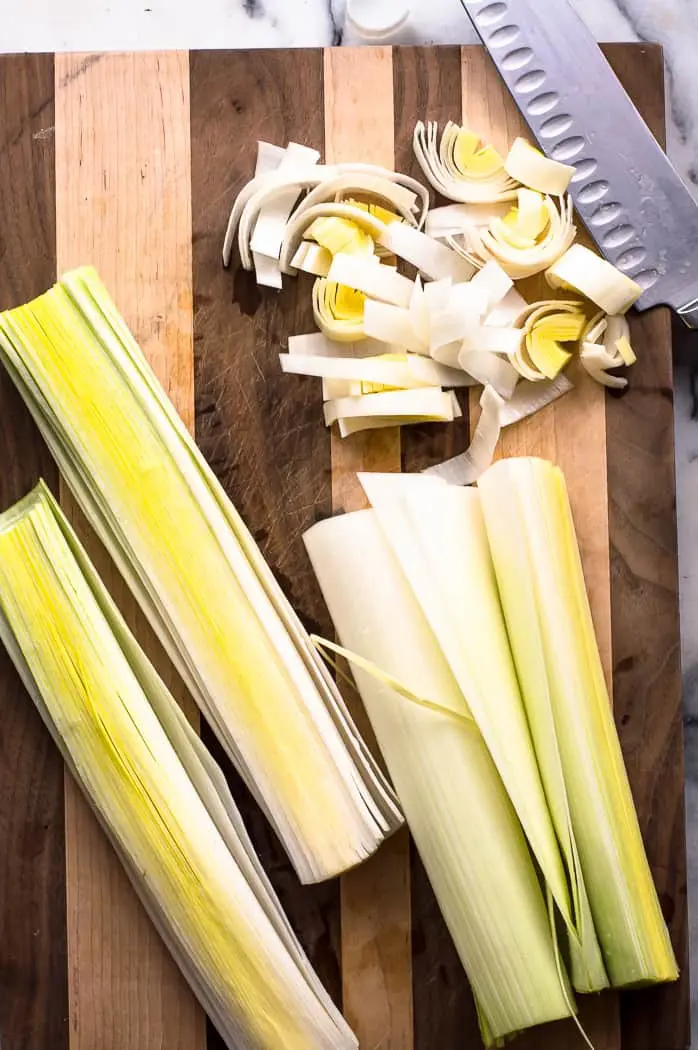
Start with cutting the root end off and removing the tough dark green tops of the leek. They are perfect for cooking because white and light green parts are the tenderest and most delicious ones. If you want, stock can be made from discarded tops.
After trimming, cut down the middle lengthwise through the whole length of a leek (this will expose its layers making cleaning out rubbish from them easier). Depending on your recipe you may either leave those halves as they are or chop them up into smaller bits.
Rinsing Thoroughly
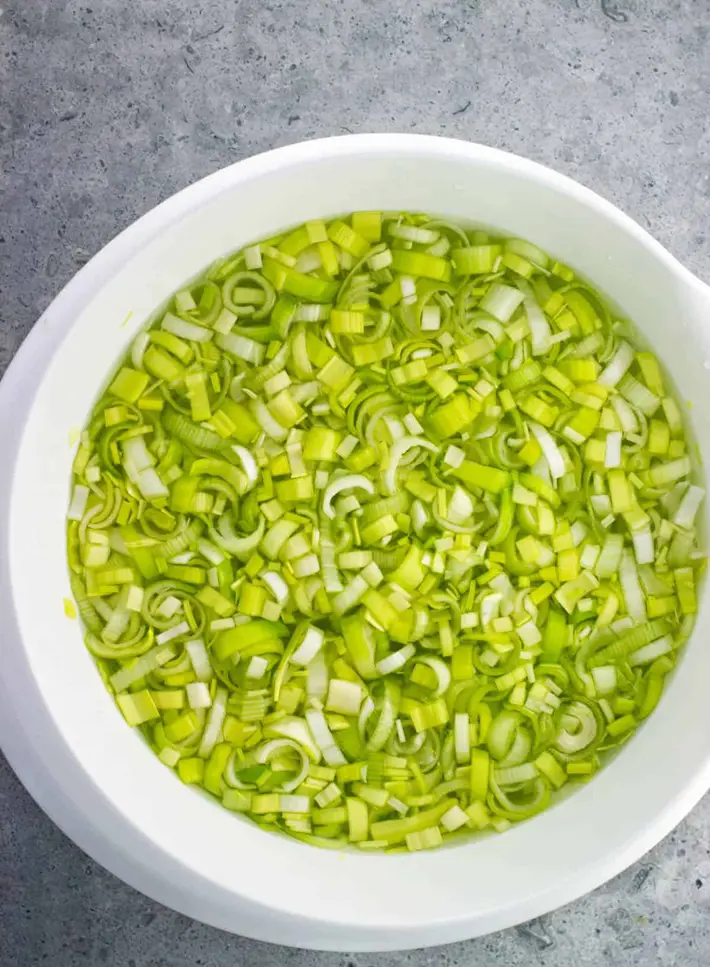
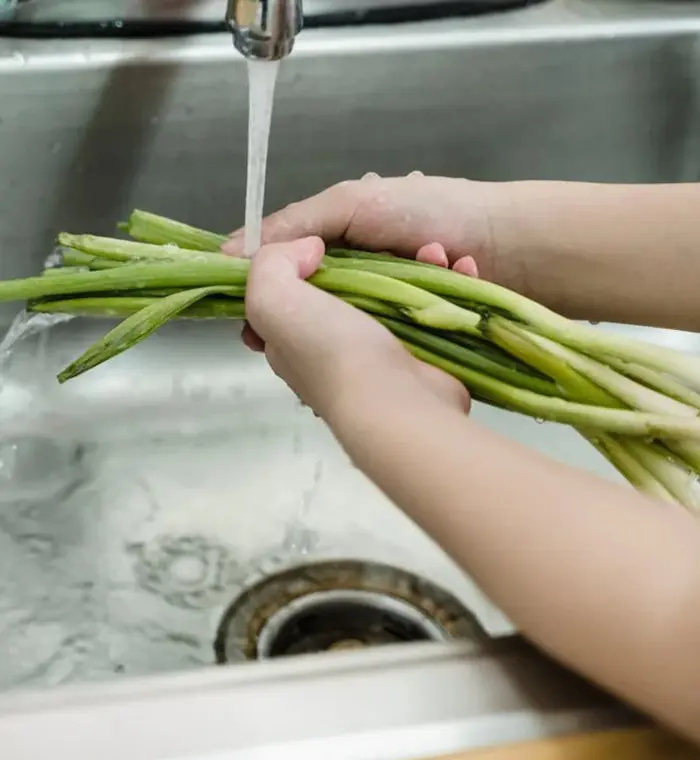
It’s important to wash leeks well because they’re known for holding onto dirt. Under running water, run your fingers along the white and light green parts while letting go of other bits. You may also soak them in water and then stir them around.
Slicing or Chopping
Once cleaned, place the halves of the leek on the cutting board such that they are flat (their cut surfaces facing down) and slice them into thin rings or chop them according to the recipe demands. Equal slices help to cook evenly thus, mixing well with other ingredients in any meal involving leeks.
Ways to Cook Leeks
Leeks possess a flexible nature when it comes to preparation methods that help showcase their gentle sweetness. Here are several of the most common techniques utilized in cooking with leek as either a primary or accompanying taste:
1. Sauteing
Ingredients:
3 medium-sized leeks
2 tablespoons of olive oil or butter
1 clove of garlic, minced
Salt, to taste
Pepper, to taste
1 tablespoon of fresh thyme or parsley, chopped(optional for garnish)
Instructions:
Remove the roots and the dark green tops from leeks, leaving only light green and white parts.
Cut leeks lengthwise, and rinse them under running water to remove grit or dirt.
Thinly slice the cleaned leeks into rings from their short end to their top part.
Heat half a cup of olive oil or butter in a big frying pan on medium heat until it’s hot enough.
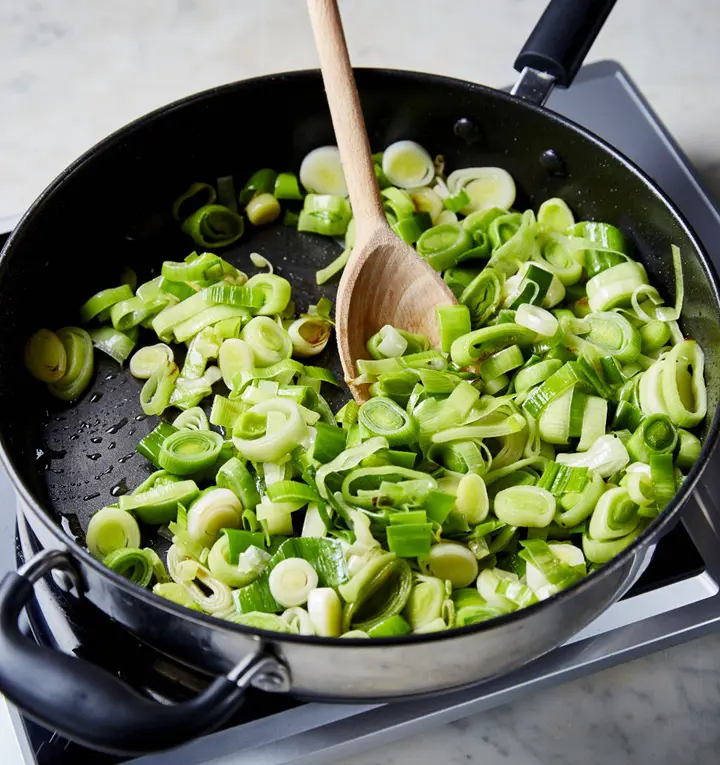
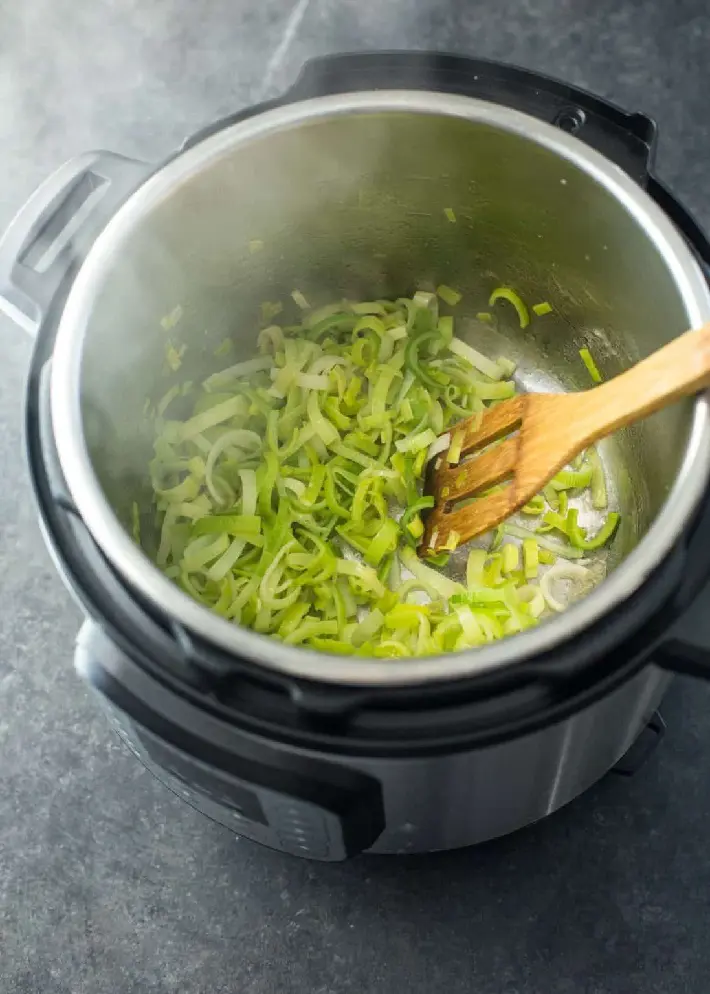
Pour your sliced leeks into the pan stirring so that they soak well in oil/butter.
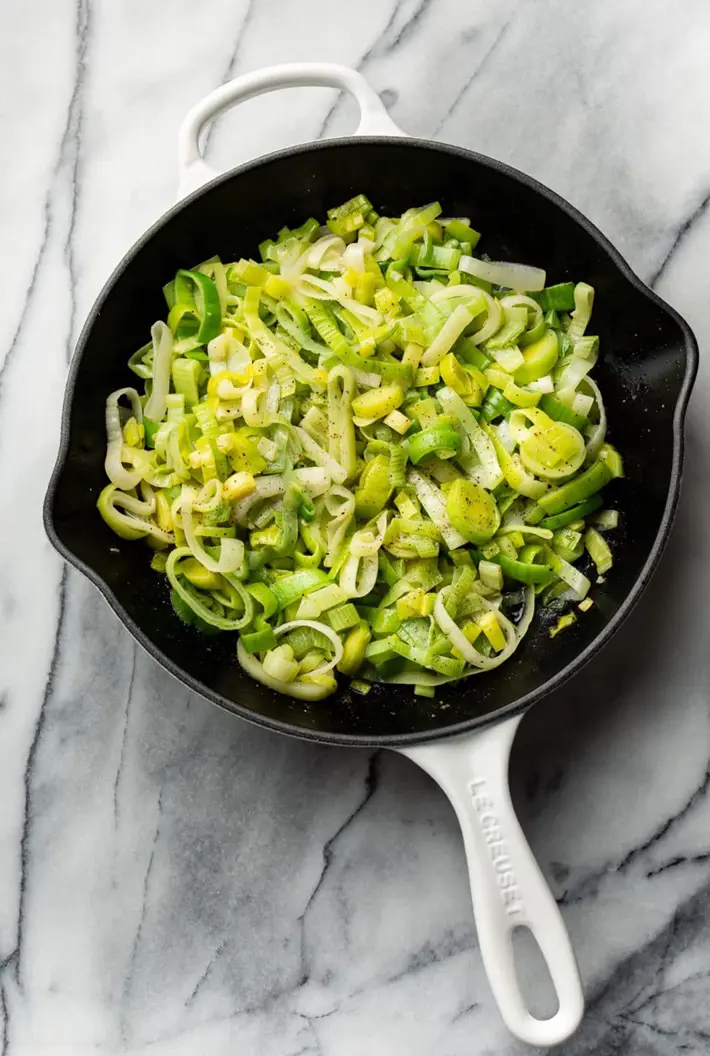
Let your leeks cook for 10-15 minutes while stirring occasionally until it becomes soft and a little caramelized.
If using garlic, add it during the last 2-3 minutes of cooking allowing you to mix them before serving.
Sauteed Leeks should be seasoned with salt and pepper according to taste.
Alternatively, garnish with fresh thyme or parsley before serving, optional.
Optional: 1 teaspoon of fresh thyme leaves or a squeeze of lemon juice for added flavor.
Instructions:
Preheat your oven to 400°F (200°C).
Trim off the root end and dark green tops of leeks, leaving only their white and light green parts.
Cut each leek in half lengthwise, or into quarters if they are good enough.
Rinse them thoroughly under cold water separating layers to get rid of any dirt or grit impurities.
Dry up with a paper towel on top like that.
Put leeks on a baking sheet then drizzle with olive oil from above upon it.
Add salt, pepper, and optional spices like thyme leaves just for additional taste.
Toss these vegetables slowly to ensure they get coated evenly by both oils and spice mixtures.
Arrange the leeks cut-side down on the baking sheet.
Roast in the preheated oven for 20 minutes until a golden brownish color appears, then turn them around halfway through this period while also looking for tenderness signs among others.
Remove from heat before serving; lemon juice option may be added here as well.
You can eat it warm alone or even use it as part of other recipes.
Optional: A drizzle of olive oil or a pat of butter for serving.
Instructions:
Cut off the root end and dark green tops from the leeks then properly wash them by always trimming and cleaning them leaving the white bits and light green parts. The leeks should be chopped into little circular shapes or pieces and then washed thoroughly to get rid of any dirt or grit.
Heat either vegetable stock or chicken stock (or water) over moderate heat to a boil in a large pot
Once the broth comes to a simmer, add the sliced leeks into the pot.
Cook the leeks in the simmering vegetable broth for about ten to fifteen minutes until they are rendered soft and tender.
Taste the leeks before adding some salt and pepper as needed. Drizzling olive oil or margarine enhances its richness.
The cooking time of leeks depends on their preparation method and the required texture. Leeks usually take about 5-7 minutes to tenderize while still retaining some firmness when using quick methods such as sautéing or steaming. The cooking time for simmering ranges from 10-15 minutes while that of roasting ranges from 20-25 minutes.
On the other hand, these methods require longer cooking time for instance they can take 10-15 minutes when simmering while roasting will need more than twenty minutes.
They release all sweetness contained in them making themselves best suited for soups, stew as well as roasted side dishes. Therefore you should be prepared to accommodate your desired degree of chewiness and taste intensity with appropriate adjustment of the duration involved in their cooking.
Tips on Cooking the Perfect Leeks
The mastery of cooking leeks belongs to those who know a few techniques that can be used to improve their natural sweetness. Here are some tips to achieve the desired results:
Because leeks often trap dirt between their layers they must be cleaned well. Start by slicing them lengthwise then rinse them under running water while fanning out the layers as this will assist with removing any bits of soil.
Use Low To Medium Heat:
This means that cooking the leeks over low or moderate heat helps soften them gently without burning or overcooking; whether you are sautéing or simmering, this approach enables slow release of sweet taste by leeks.
Do Not Overcrowd Pan:
In sautéing leeks, it is advisable not to overcrowd the pan so that there is uniformity in cooking. Inadequate space for movement may instead lead to steaming rather than sautéing which can give unevenly cooked leeks.
Lightly Season:
Delicate flavors may easily be overwhelmed if heavy seasonings are applied on top of them. Instead, use simple things such as salt and pepper together with just a little lemon juice or olive oil to avoid dominating its natural flavor.
Serving Suggestions
Leeks can be used in different ways to make them fit for use with different meals. The following are some ways of doing this:
As a Side Dish:
Serve steamed or sautéed leeks with olive oil drizzled over them and sprinkled with herbs such as parsley or thyme for additional flavor. They can complement roasted meat, fish as well as chicken.
In Soups and Stews:
Leeks that have been simmered can be added to soups and stews giving it that perfect sweet taste which makes it to blend well with root vegetables, beans, or grains. Thus giving it a slightly stronger flavor profile when combined with hearty, comforting dishes.
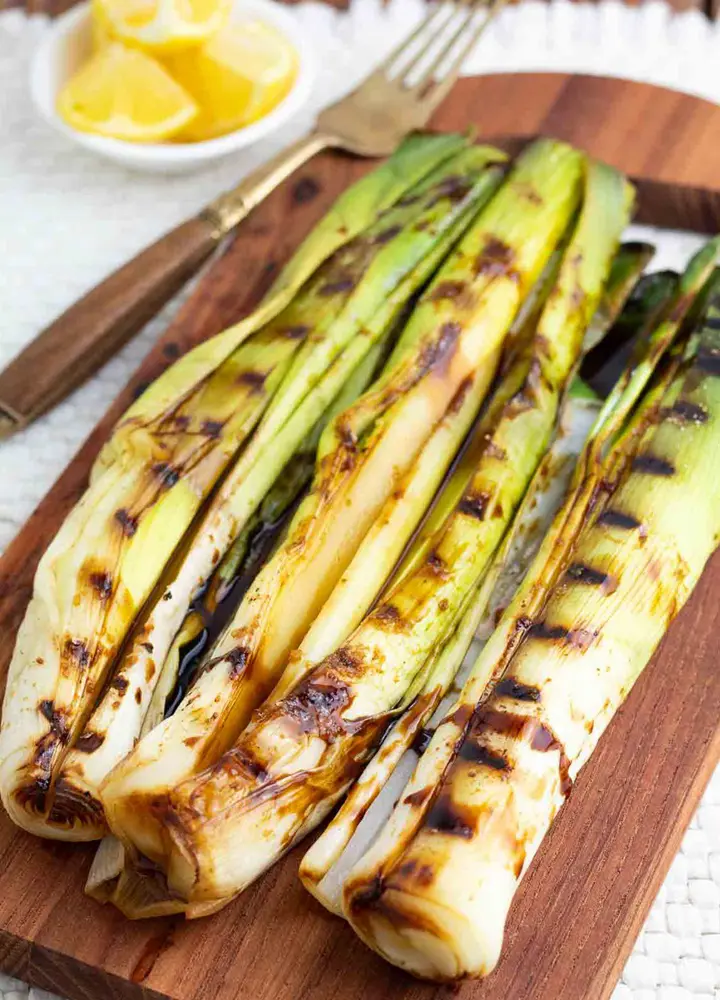
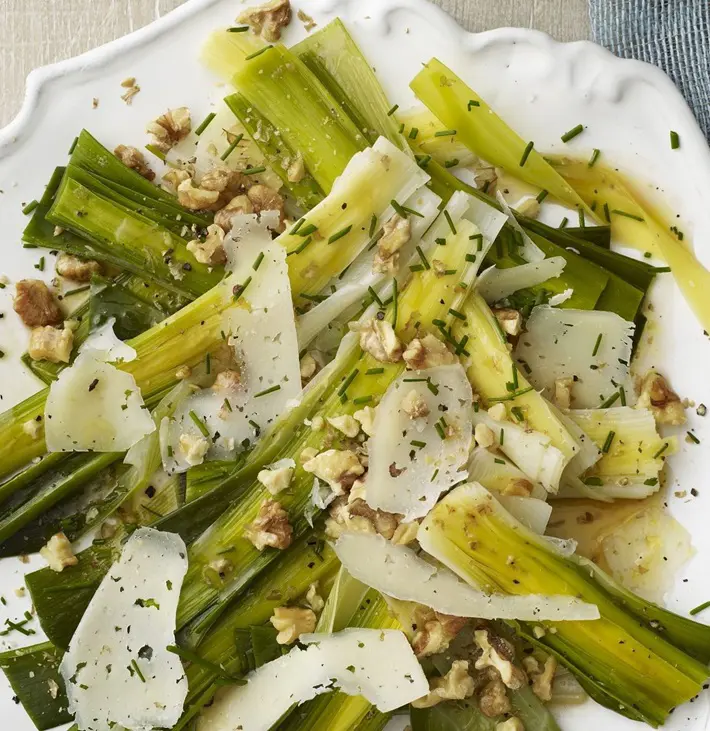
Roasted or grilled leeks are also good options when added to warm salads alongside goat cheese, toasted nuts plus light vinaigrette. Their soft texture together with mildly flavored form an interesting contrast against the crispness of green-leafed plants.
In Quiches and Pies:
You may also add sautéed leeks into your tarts, quiches, or savory pies. For instance, greens are combined with creamy cheeses like ricotta thus giving these types of baked goods rich savory notes.
Storing
To keep leeks fresh and flavorful for a long, it is necessary to know how to store them properly. The following are the methods of storing leeks in a good way:
In the Refrigerator
Put leeks as they are in a refrigerator without washing or cutting. Wet paper towel wrap or a loosely-cautious plastic bag will do well in a crisper drawer which maintains moisture for 1-2 weeks.
Freezing Leeks
For those who want to preserve leeks longer than that, they can be frozen. First clean and slice them, then blanch it in boiling water for about 2 to 3 minutes. Once blanched, cool quickly by soaking it in ice-cold water; drain it off and dry it with a cloth.
Last but not least put them into an airtight container or freezer bag, whereby it could take up to three months if stored this way inside freezer compartments.
Storing Cooked Leeks
Cooked leeks can be stored in an airtight container in the refrigerator for up to 3-5 days. To maintain their texture and flavor, reheat gently before serving.
Author
Editor
Aseesh Joshi
Aseesh Joshi is a Nepali globe-trotter based in Melbourne, Australia, with a rich culinary background spanning across the world. Currently serving as the Sous Chef at Laura Restaurant, Aseesh brings his expertise in international cuisine to create exceptional dining experiences. Previously, he held the role of Head Chef at Aamanns.dk and Junior Sous Chef at 108cph, where he honed his skills and refined his culinary artistry.
Aseesh's journey through the culinary world reflects his dedication to excellence and innovation. His travels and experiences continue to inspire his cooking, and he shares his culinary adventures with his growing community on social media.