Mahi mahi, with its firm texture and mild, sweet flavor, is a versatile fish that lends itself to various cooking methods. Whether you're a seasoned chef or a kitchen novice wondering how to cook mahi mahi, you'll find that this delectable fish can be prepared in at least three delicious ways.
Pan-searing offers a crispy exterior, grilling imparts a smoky flavor, and baking in the oven ensures a moist, flaky result. Each method brings out unique qualities in the fish, allowing you to experiment and find your favorite.
Key Ingredients For Cooking Mahi Mahi
This recipe combines simple yet high-quality components to create a dish that's both delicious and easy to prepare.
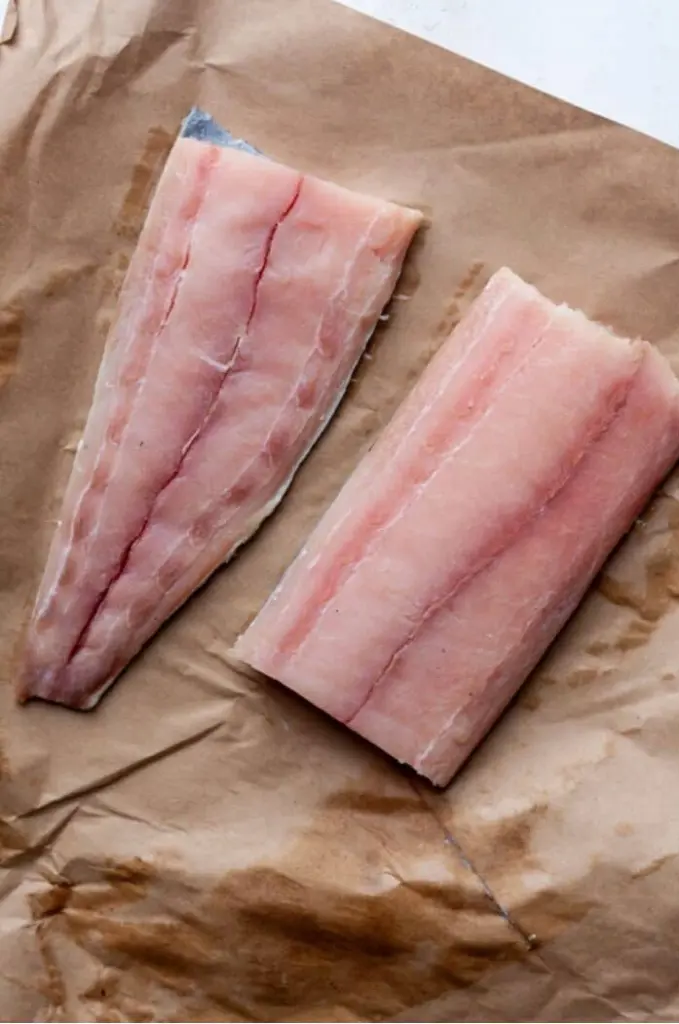
Also known as dorado or dolphinfish, mahi mahi is prized for its sweet, mild flavor and firm texture. Look for fillets that are uniformly 1-inch thick to ensure even cooking.
Each fillet should weigh about 4 ounces, which is a perfect portion size. Fresh mahi mahi should have a pinkish or light beige color with no strong fishy odor. If using frozen fillets, thaw them completely in the refrigerator before cooking.
Olive Oil
Extra virgin olive oil is the foundation of this dish. It not only prevents the fish from sticking to the pan but also imparts a rich, fruity flavor. Olive oil is packed with heart-healthy monounsaturated fats and antioxidants.
For best results, choose a high-quality olive oil with a smooth taste that won't overpower the delicate flavor of the fish.
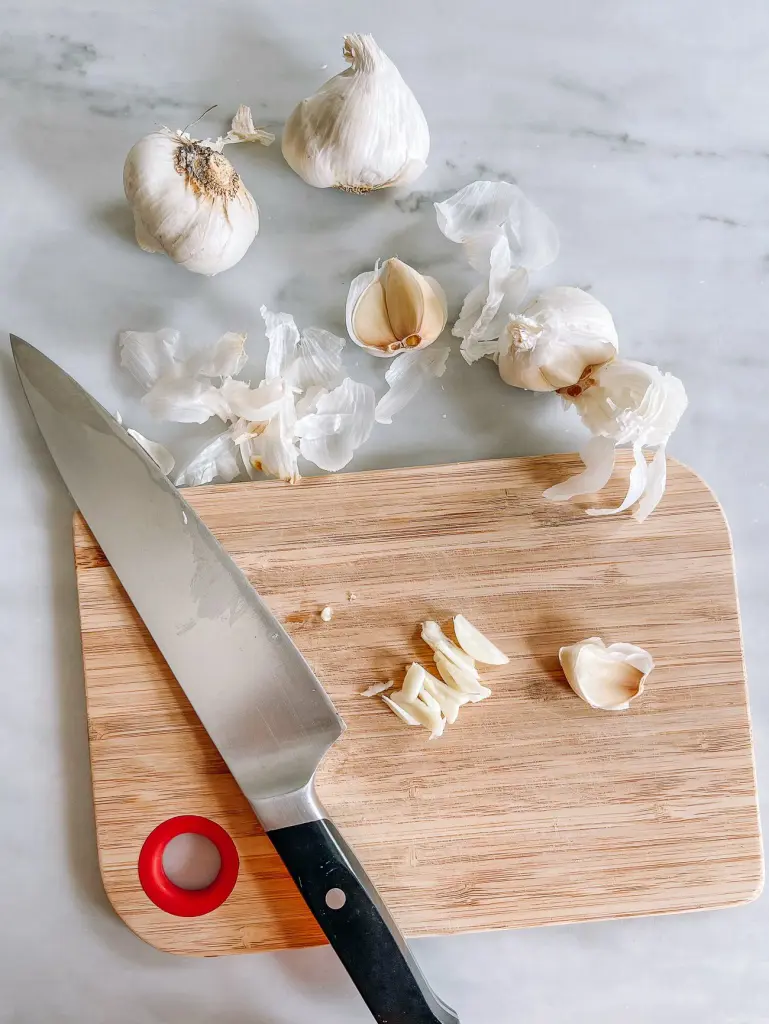
Fresh garlic is crucial for adding depth and complexity to the dish. When minced, garlic releases allicin, a compound responsible for its pungent aroma and numerous health benefits.
For the best flavor, mince the garlic just before cooking. A good rule of thumb is to use at least 2-3 cloves per fillet, but feel free to adjust according to your taste preferences.
Lemon
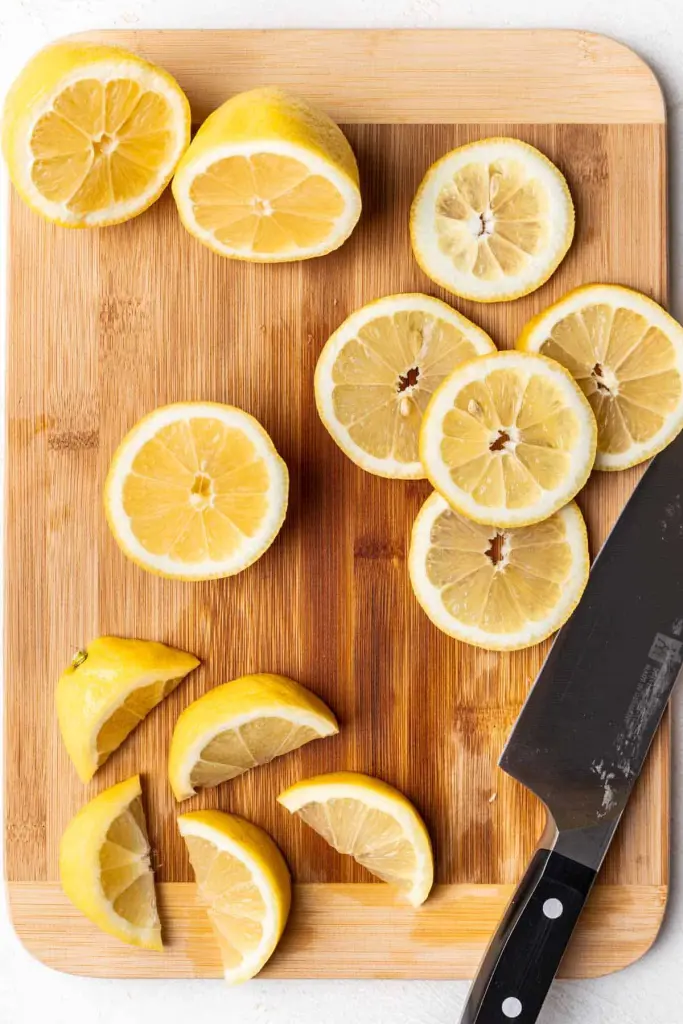
A fresh lemon serves two purposes in this recipe. The zest, found in the outer yellow layer of the peel, contains essential oils that provide an intense citrus flavor. The juice, on the other hand, adds brightness and helps tenderize the fish.
One medium-sized lemon should yield about 1 tablespoon of juice and enough zest for the recipe. Always opt for fresh lemons over bottled juice for the most vibrant flavor.
Butter
Real butter adds a luxurious richness to the dish. Salted butter is preferred as it enhances the overall flavor, but unsalted works well too if you want more control over the salt content. Butter not only adds flavor but also helps create a silky sauce that coats the fish beautifully.
For a healthier option, you could use a plant-based butter alternative, though it may slightly alter the taste.
Herbs
Fresh herbs are the finishing touch that elevates the dish from good to great. Chives offer a mild, oniony flavor and add a pop of green color. Parsley brings a fresh, slightly peppery taste and helps cleanse the palate.
These herbs not only enhance the visual appeal of the dish but also provide additional nutrients. For the best flavor, chop the herbs just before serving.
How To Make Mahi Mahi on Stove
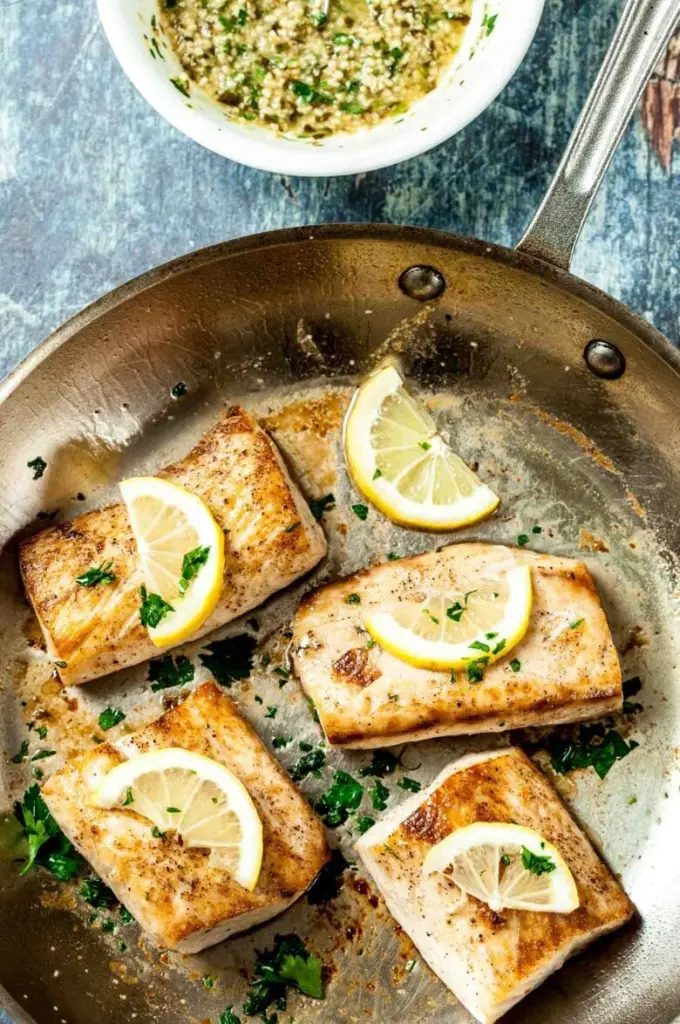
Pan-searing mahi mahi method creates a flavorful crust while keeping the inside moist and tender. Follow these steps for a restaurant-quality dish:
1. Prepare the lemon
Begin by slicing half a lemon into thin rounds and juicing the other half to yield about 1 1/2 tablespoons of fresh lemon juice. Set both the slices and juice aside. This preparation ensures you have all the citrus elements ready for both cooking and finishing the dish.
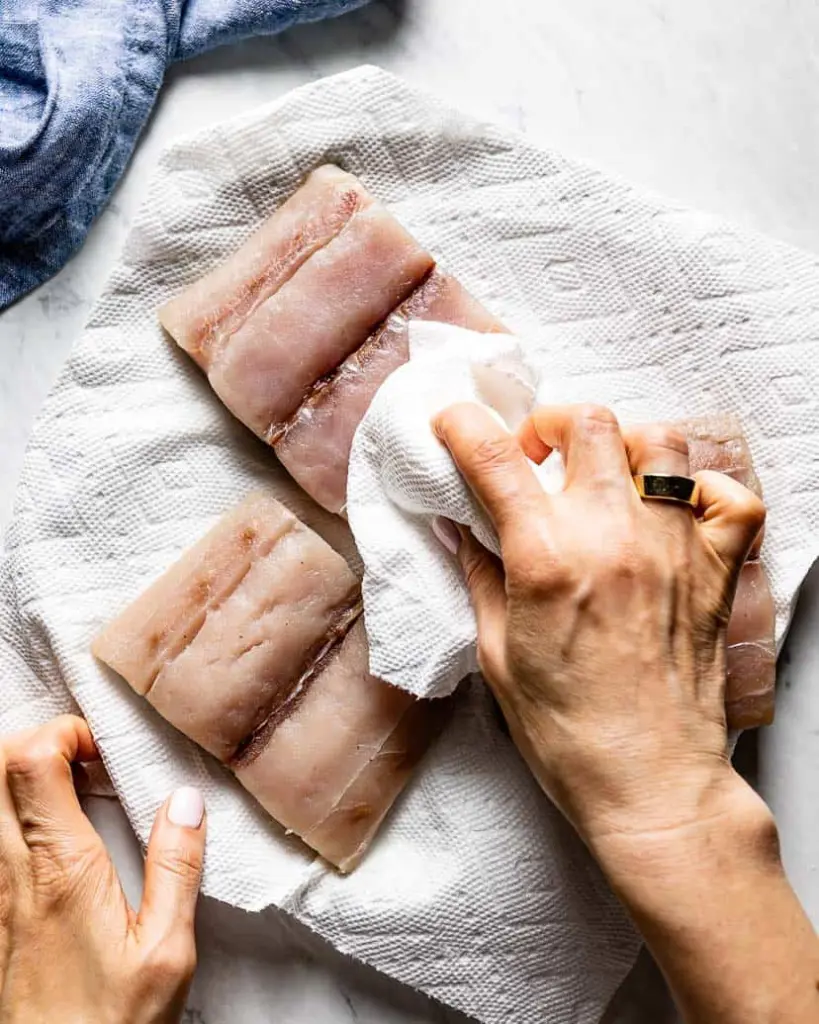
Pat the mahi mahi fillets dry with paper towels to remove excess moisture. This crucial step promotes better searing and crust formation. Season all surfaces of the fillets generously with 1 teaspoon of salt and freshly ground black pepper to taste, ensuring even flavor distribution.
3. Pan-sear the mahi mahi
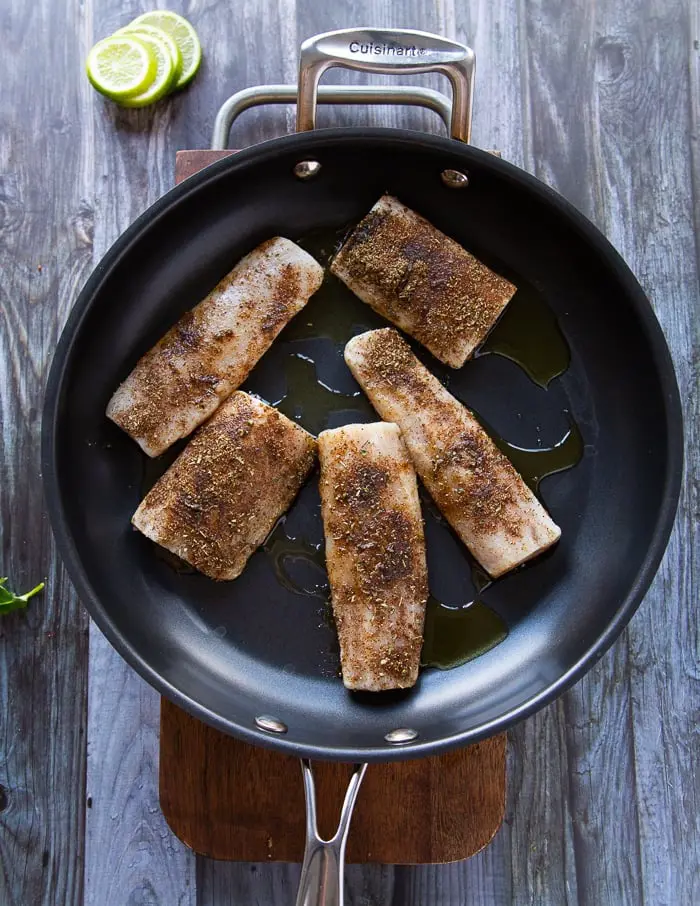
Heat oil in a large cast iron skillet or non-stick frying pan over medium-high heat until it just starts to smoke (about 3 to 5 minutes). Carefully place the seasoned fillets in the hot pan and sear undisturbed for about 4 minutes. This allows a well-browned crust to form.
Flip the fillets when the sides are cooked just past halfway up, and continue cooking for 2 to 4 minutes more, depending on thickness, until the fish flakes easily. Transfer the cooked fillets to a serving platter.
Reduce heat to medium-low. Add the reserved lemon juice, minced garlic, and the remaining 1/4 teaspoon of salt to the pan. Use a wooden spoon to scrape up any browned bits from the bottom of the pan, incorporating these flavorful elements into the sauce.
5. Finish the sauce
Add the reserved lemon slices to the pan. Gradually incorporate butter into the sauce, one piece at a time, waiting for each piece to almost fully melt before adding the next. This method creates an emulsified, silky sauce with a rich texture and balanced flavor.
6. Seasoning and Serving
Remove the pan from heat and stir in fresh chopped parsley. Taste the sauce and adjust seasoning with additional salt and pepper if needed. This final step ensures a well-balanced and flavorful sauce.
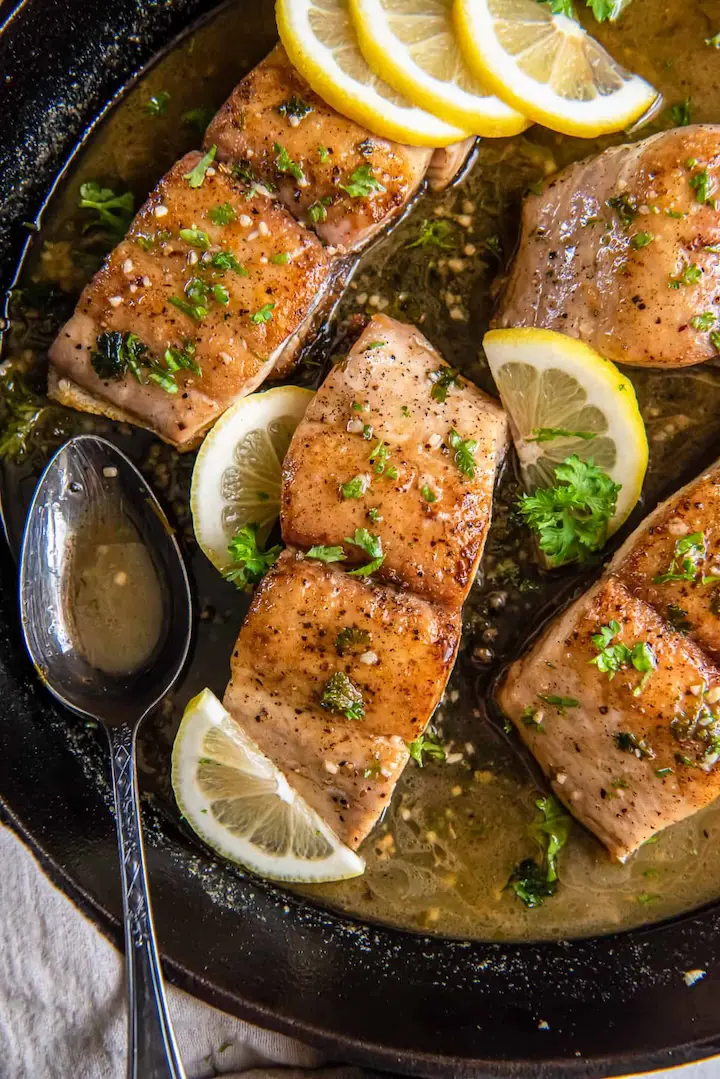
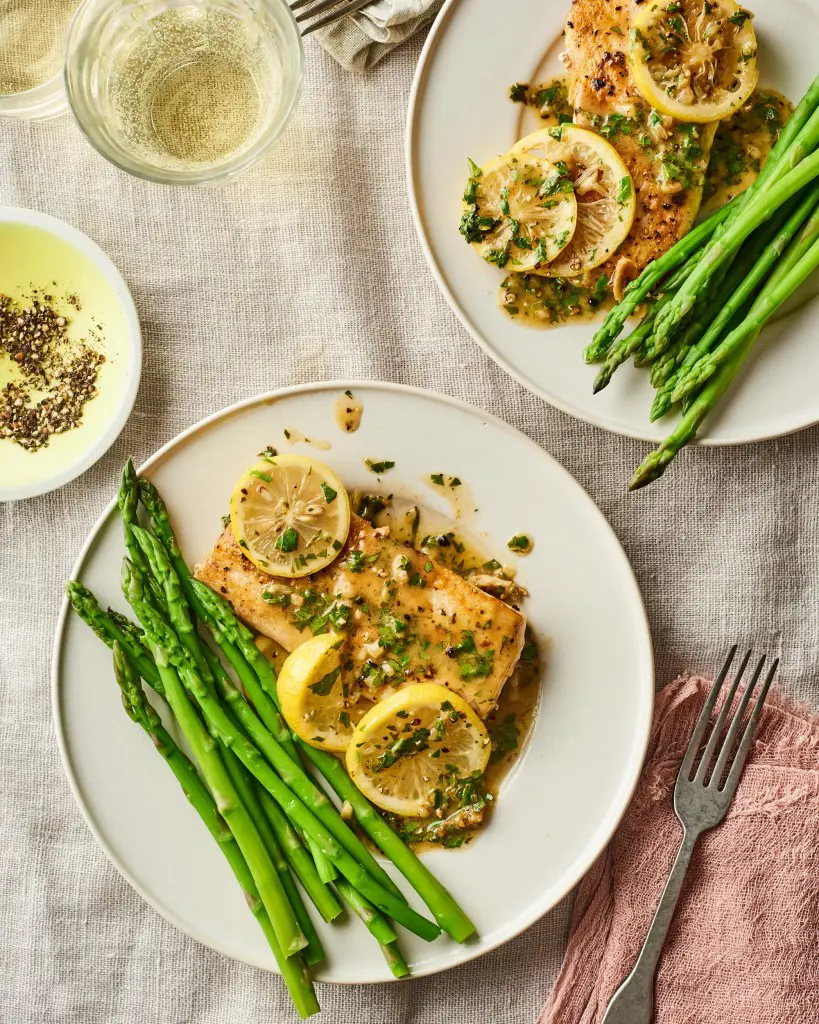
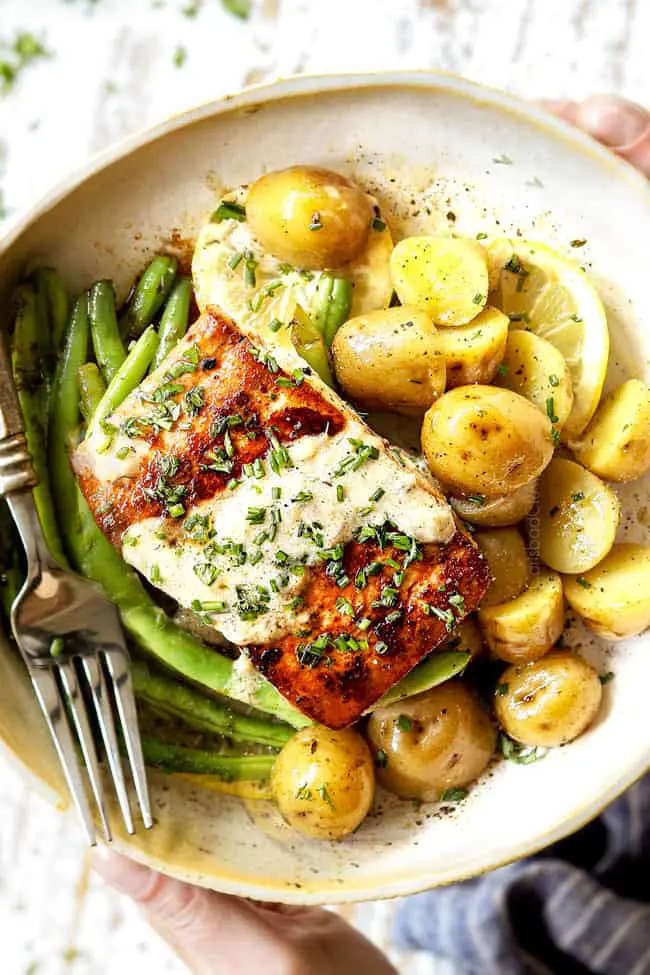
Pour the finished lemon butter sauce over the mahi mahi fillets on the serving platter. Serve immediately while hot to enjoy the perfect combination of crispy exterior, tender fish, and luxurious sauce.
This method of cooking ensures a moist, flaky result while allowing the flavors of the seasonings to infuse the fish. Follow these simple steps to create a delicious oven-baked mahi mahi dish that's both healthy and flavorful.
1. Preheat the oven:
Set your oven to 350°F (180ºC). It's crucial to preheat thoroughly to ensure even cooking. This usually takes about 10-15 minutes, depending on your oven.
2. Prepare the fish:
Pat dry the mahi-mahi fillets with paper towels until they are very dry. This step is essential for achieving a nice exterior texture and allowing the seasonings to adhere better to the fish.
In a small bowl, mix all the spices you've chosen for your dish. A typical blend might include salt, black pepper, garlic powder, paprika, and dried herbs like thyme or oregano. Mixing the spices beforehand ensures even distribution of flavors.
4. Arrange the fish:
Place the dried mahi-mahi fillets on a baking sheet or oven-safe tray. If you're concerned about sticking, you can line the tray with parchment paper or lightly grease it with oil.
5. Add butter and seasoning:
Drizzle or brush melted butter over the top of each fillet. The butter adds flavor and helps keep the fish moist during cooking. Next, sprinkle the seasoning mix evenly over each fillet, ensuring good coverage.
Place a few thin lemon slices on top of each seasoned fillet. The lemon will infuse the fish with a bright, citrusy flavor as it cooks.
7. Bake the fish:
Place the tray in the preheated oven and bake for 12-14 minutes. The exact cooking time may vary depending on the thickness of your fillets. The fish is done when it flakes easily with a fork and reaches an internal temperature of 145°F (63°C).
8. Serve:
Remove the fish from the oven and let it rest for a minute or two. Serve warm, garnished with fresh chopped parsley and a squeeze of fresh lemon juice for added brightness.
Tips:
For extra flavor, you can marinate the fish for 30 minutes before cooking.
If you prefer a slightly crispy top, you can broil the fish for the last 1-2 minutes of cooking time. Watch it closely to prevent burning.
Adjust cooking time for thicker or thinner fillets. A good rule of thumb is to cook fish for about 10 minutes per inch of thickness.
How Do You Cook Mahi Mahi On Grill
Follow these steps for a restaurant-quality grilled mahi mahi:
1. Preheat the grill
Set your gas grill to medium-high heat, aiming for a temperature of 450°F (230°C). Allow it to preheat for about 10-15 minutes. While the grill is heating, lightly oil the grates to prevent the fish from sticking.
2. Prepare the spice mixture
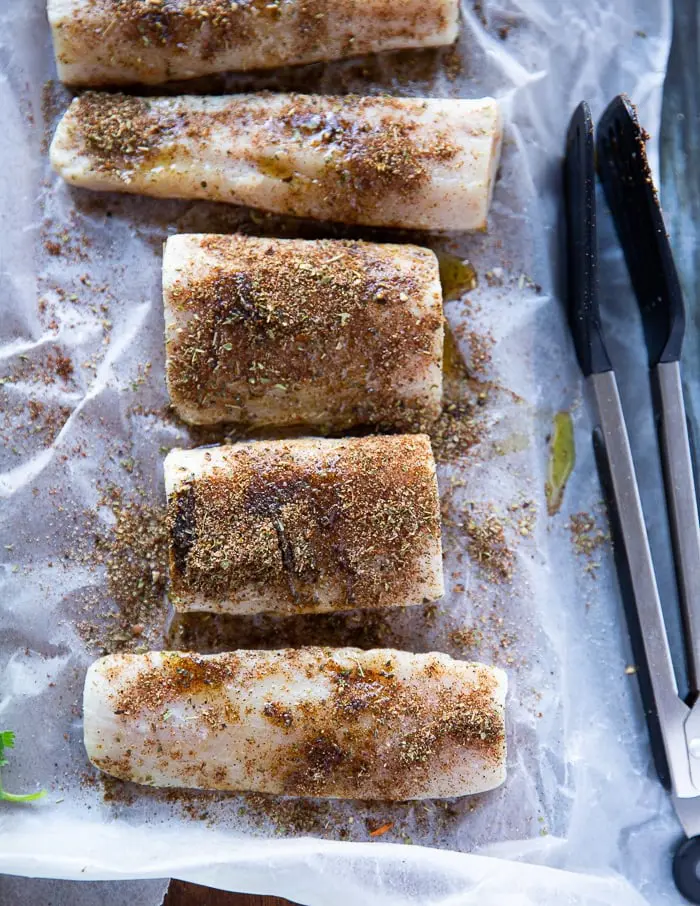
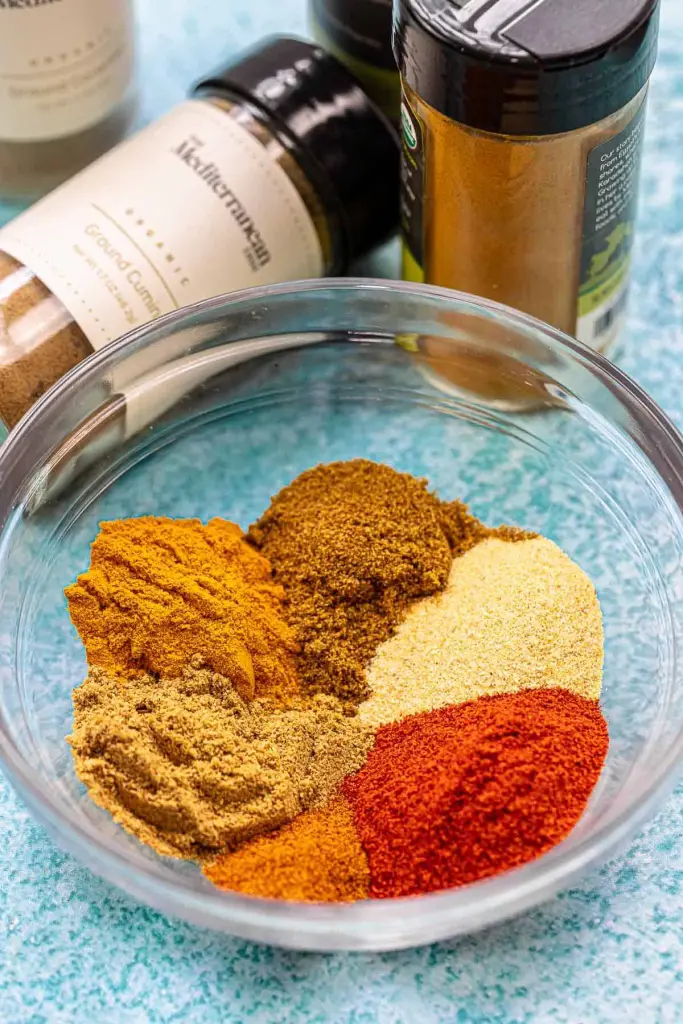
In a small bowl, combine the following spices: paprika, dried oregano, ground cumin, garlic powder, onion powder, salt, black pepper, etc. Mix these spices thoroughly to ensure even distribution of flavors.
Brush both sides of the mahi mahi fillets with olive oil. This helps the spices adhere to the fish and prevents sticking to the grill. Then, generously season both sides of the fillets with the prepared spice mixture, pressing it gently into the fish.
4. Grill the mahi mahi
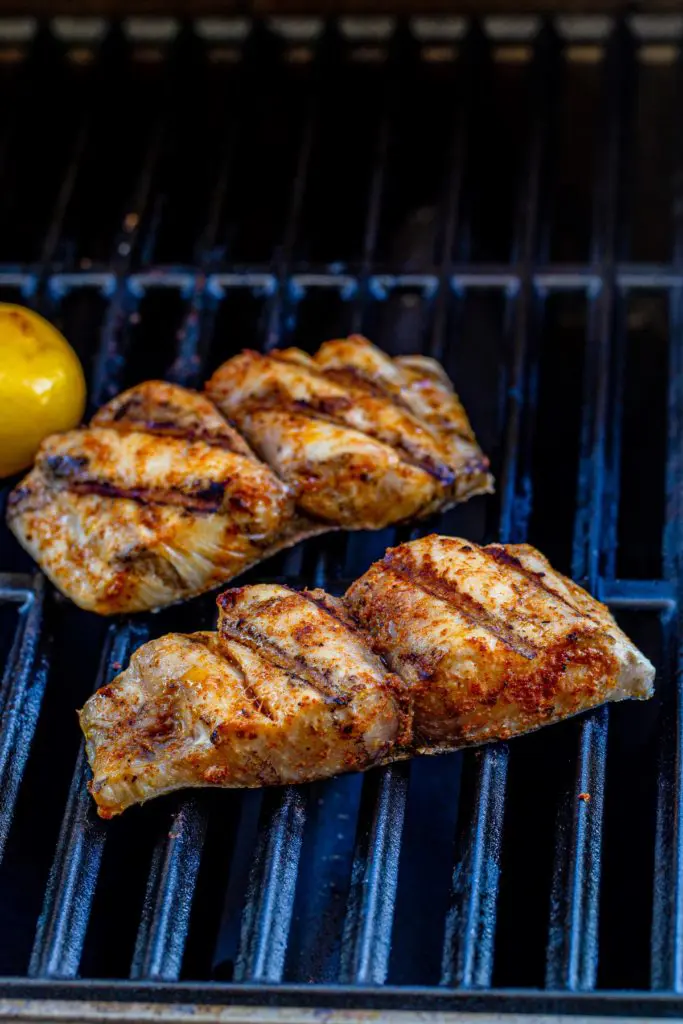
Place the seasoned fillets on the preheated, oiled grill grates. Cook for about 4 to 5 minutes per side. The exact time may vary depending on the thickness of your fillets.
Look for a golden color on the exterior and grill marks. The fish is done when it flakes easily with a fork and reaches an internal temperature of 145°F (63°C). The flesh should be opaque throughout.
Once cooked, remove the mahi mahi from the grill. Drizzle fresh lemon juice over the fillets just before serving. This adds a bright, citrusy finish that complements the smoky grilled flavor.
Patting the fish dry is crucial for achieving a perfect sear. Use paper towels to thoroughly remove excess moisture from the surface of the mahi mahi fillets. This step is super important as it directly affects how well your fish will brown.
Excess moisture can cause steaming instead of searing, resulting in a less appetizing texture.
2. The Right Pan:
Choose a large, oven-proof pan that heats evenly. A heavy-bottomed skillet, preferably cast iron or stainless steel, is ideal. The right pan makes a significant difference in heat distribution and retention, ensuring your fish cooks evenly. Make sure the pan is large enough to accommodate all fillets without overcrowding.
3. Sizzling Hot:
Before adding the fish, heat the oil until it's very hot and sizzling. You can test this by adding a drop of water to the pan - if it immediately sizzles and evaporates, the pan is ready. This high heat allows for quick and even browning of the exterior, creating a delicious crust while keeping the interior moist.
4. Keep Still:
Resist the urge to constantly move the fish around in the pan. Let it sit undisturbed and brown for about 3 minutes on each side. This patience allows a nice crust to form and prevents the fish from breaking apart. Using a large splatter guard can help contain any oil splatters during this process while still allowing heat to circulate.
5. Preheat:
Always preheat your oven ahead of time. This ensures it's at the right temperature when you're ready to transfer the fish directly from the stovetop. A preheated oven maintains consistent heat, crucial for finishing the cooking process without overcooking the fish.
Additional Tips:
Season the fish just before cooking to prevent drawing out more moisture.
Use a fish spatula for easy flipping - its thin, flexible edge is perfect for delicate foods like fish.
Let the mahi mahi rest for a few minutes after cooking. This allows the juices to redistribute, ensuring a moist and flavorful result.
For even cooking, try to use mahi mahi fillets of similar thickness.
If using frozen fillets, thaw them completely in the refrigerator before cooking to ensure even cooking.
How To Store Mahi Mahi Fish
Proper storage and reheating are crucial for maintaining the best possible quality of your leftover mahi mahi. Here are some important guidelines:
1. Avoid Freezing
It's best not to freeze leftover cooked mahi mahi. While it will remain edible after freezing and thawing, the taste and texture will be significantly compromised. Frozen and reheated fish often becomes dry, tough, and loses much of its original flavor.
2. Refrigeration
Store leftovers in an airtight container in the refrigerator. When properly stored, cooked mahi mahi can last for 2-3 days. Make sure to refrigerate the fish within two hours of cooking to prevent bacterial growth.
3. Reheating
The microwave is often the most convenient method for reheating. Heat the fish in 30-second intervals, checking after each interval until it's just heated through. Be careful not to overheat, as this can dry out the fish. Be aware that reheated fish won't have the same tender, flaky texture as freshly cooked mahi mahi. This change in texture is normal and unavoidable.
Additional Tips:
Consider eating leftover mahi mahi cold in salads or sandwiches to avoid texture changes from reheating.
If using the oven to reheat, wrap the fish in foil with a splash of water or lemon juice to help retain moisture. Heat at a low temperature (around 275°F) for about 10-15 minutes.
For stovetop reheating, use a non-stick pan over medium-low heat. Add a small amount of butter or oil to prevent sticking and help retain moisture.
Always ensure the internal temperature of reheated fish reaches 145°F for food safety.
If the fish develops a strong, unpleasant odor or shows signs of discoloration, it's best to discard it.
A well-prepared mahi mahi dish deserves equally delicious side dishes. Here are some excellent options to complement your fish:
Grains:
1. Perfect Instant Pot Brown Rice: This healthy and easy-to-prepare brown rice pairs wonderfully with most meals, including mahi mahi. Its nutty flavor and chewy texture provide a great contrast to the fish.
2. Instant Pot Jasmine Rice: For a lighter option, try this fluffy jasmine rice. Drizzle it with warm butter just before serving to enhance its aromatic qualities and create a luxurious side for your fish.
3. Wild Rice Pilaf: This recipe offers a robust and flavorful accompaniment to mahi mahi. The mix of wild rice with other grains and seasonings adds complexity to your meal.
4. Easy Rice Pilaf with Mushrooms: If you prefer a skillet dish, this mushroom rice pilaf is fantastic. The earthy flavors of the mushrooms complement the mild taste of mahi mahi beautifully.
Vegetables:
1. Garlic Roasted Potatoes with Lemon: This recipe not only pairs well with mahi mahi but also includes a helpful section on how to roast potatoes perfectly. The garlic and lemon flavors complement the fish excellently.
2. Instant Pot Baby Potatoes: This dish produces tender and flavorful potatoes with minimal effort. The small size of baby potatoes makes for an attractive presentation alongside your fish.
3. Instant Pot Mashed Potatoes: For a comforting and creamy side, these instant pot mashed potatoes are an instant hit. Their smooth texture contrasts nicely with the firm flesh of mahi mahi.
4. Lemon Spinach Orzo Salad: This quick and easy salad incorporates greens and pasta, making it a refreshing and complete side dish. The lemon flavor pairs exceptionally well with fish.
Author
Editor
Elias Mansour
Elias Mansour is an experienced Sous Chef currently working at Hilton Ras Al Khaimah in the UAE, where he brings his culinary expertise and passion for fine dining to create exceptional experiences for guests. Elias’s culinary journey includes serving as Junior Sous Chef at the prestigious Jumeirah Hotel at Etihad Towers and working at Al Habtoor Grand Resort, Autograph Collection, where he further refined his skills and leadership in the kitchen.
Originally from Abu Dhabi, Elias studied at The National Evangelical School - Hims, which laid the foundation for his career in hospitality. Now based in Dubai, Elias continues to contribute to the culinary scene in the UAE, using his global experience to innovate and lead in the kitchen.