Scallops are a delicacy known for their tender texture and sweet, delicate flavor and a staple in gourmet kitchens and home cooking by seafood enthusiasts worldwide. With various types and preparation methods available, scallops offer versatile and elegant option for many culinary dishes.
Whether enjoyed simply seared or as a part of an elaborate dish, here’s how to make perfectly cooked scallops prepared in various methods.
Choosing the Right Scallops
Selecting the right scallops is crucial for achieving the best culinary results. Here’s how to choose the right scallops:
Size
There are broadly two main types of scallops commonly found: sea scallops and bay scallops.
Sea scallops are larger than bay scallops measuring about 1.5-2 inches in diameter. Sea scallops are larger and meatier but also difficult to harvest from deep sea environments which explain the higher pricing.
Bay scallops, on the other hand, are a smaller, measuring about 0.5 inches in diameter. They have a more delicate texture, with milder and sweeter flavor. They inhabit in shallow coastal waters making them more accessible and less expensive than sea scallops.
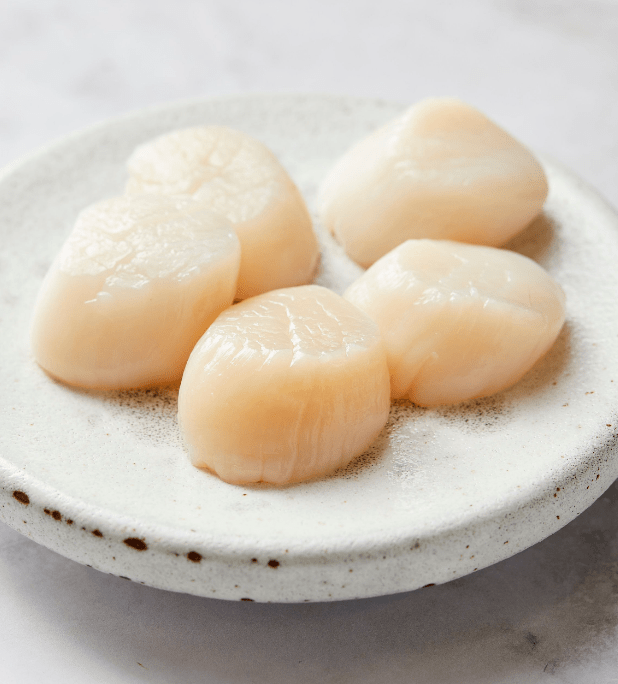
Fresh scallops should have a vibrant, translucent appearance with plump bodies. The color of the scallops’ muscle should be creamy white or pale yellow. Avoid any that appear dry, opaque or discolored.
Smell
Fresh scallops should have a clean, ocean-like scent. If they smell overly fishy or sour, they may be past their prime.
Texture
Scallops should feel firm and slightly springy to the touch. If they feel mushy or slimy, they are likely not fresh.
Processing
Be mindful of scallops that have been treated with phosphates and other additives which can affect their texture and flavor. Look for ‘dry’ scallops which have not been treated with chemicals and preservatives.
Preparing the Scallops for Cooking
Preparation is key to ensuring scallops cook evenly and maintain their delicate flavor. Here’s a step-by-step guide
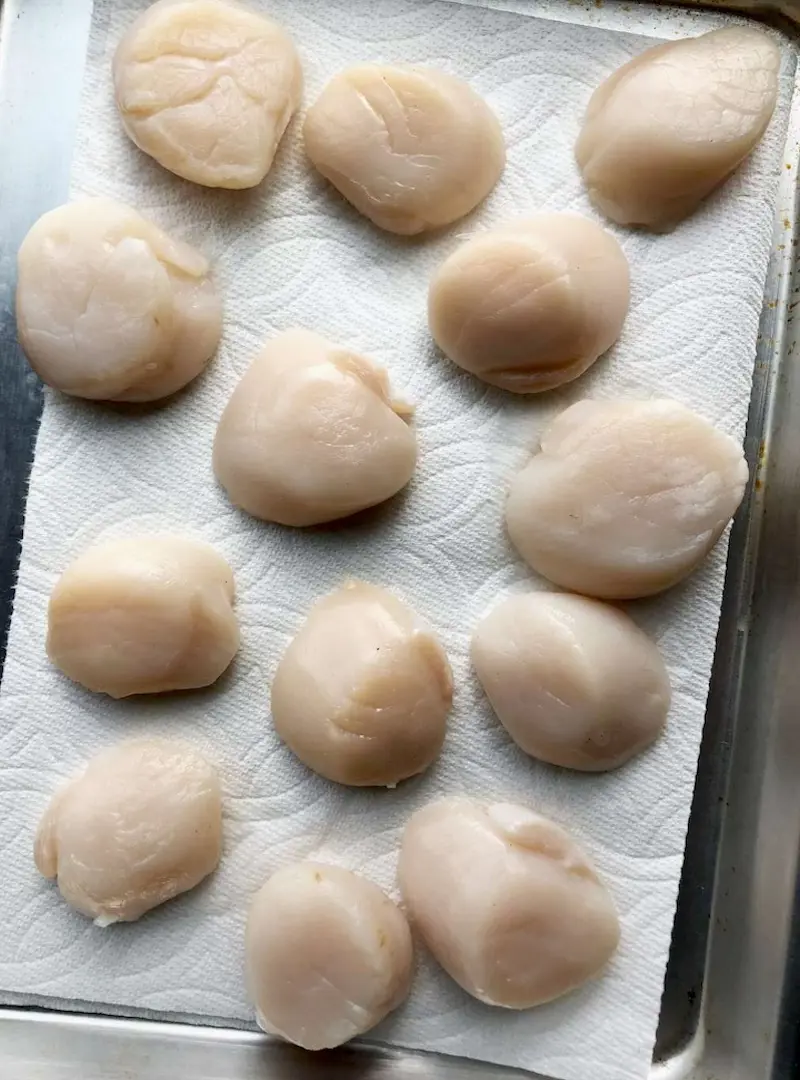
Rinse the scallops under cold water to remove any sand or debris. Pat them completely dry with paper towels to ensure a nice sear.
2. Removing the side muscle
Some scallops have a tough muscle on its side which should be removed for a more tender bite. You can simply peel it off with your fingers or a small knife.
3. Seasonings
Season the scallops with salt and pepper just before cooking. Over-seasoning can overpower their natural flavor.
Fresh scallops are typically only available near the coast. If you purchase frozen scallops, be sure to thaw them overnight in the refrigerator, over a colander, so they don’t sit in their own moisture.
6 Ways of Cooking Scallops
Scallops can be prepared in several ways, each bringing out different aspects of their texture and flavor.
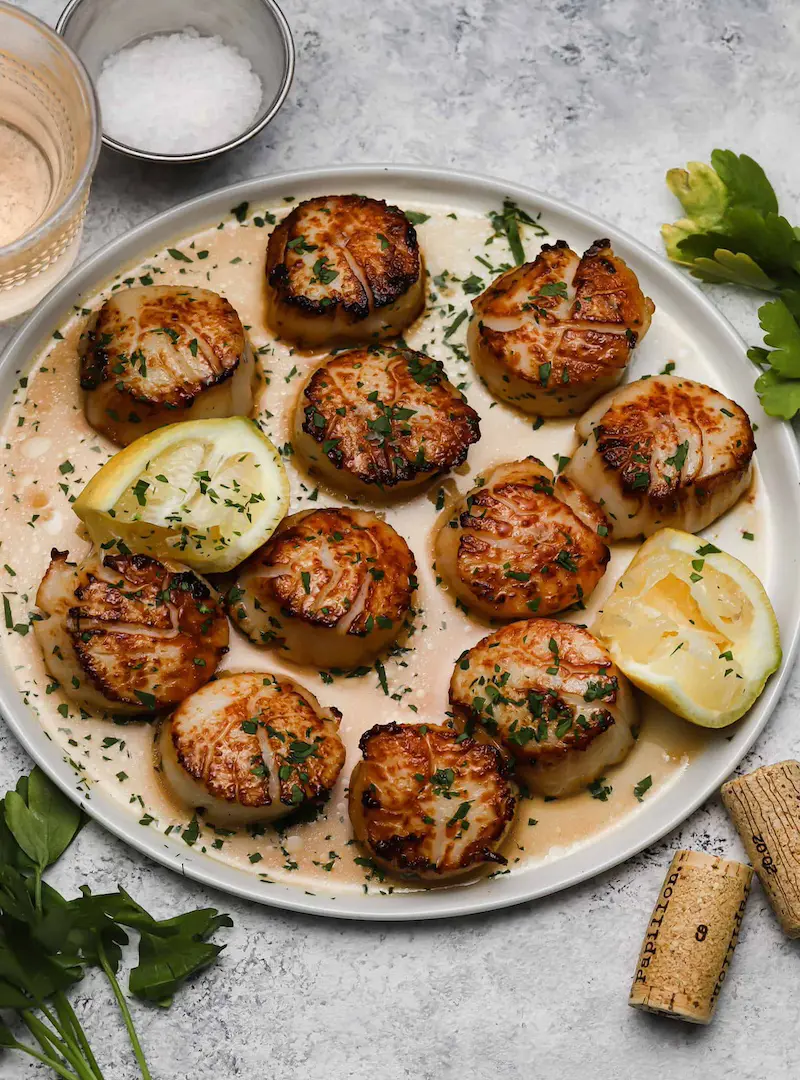
1. Pan-Seared Scallops
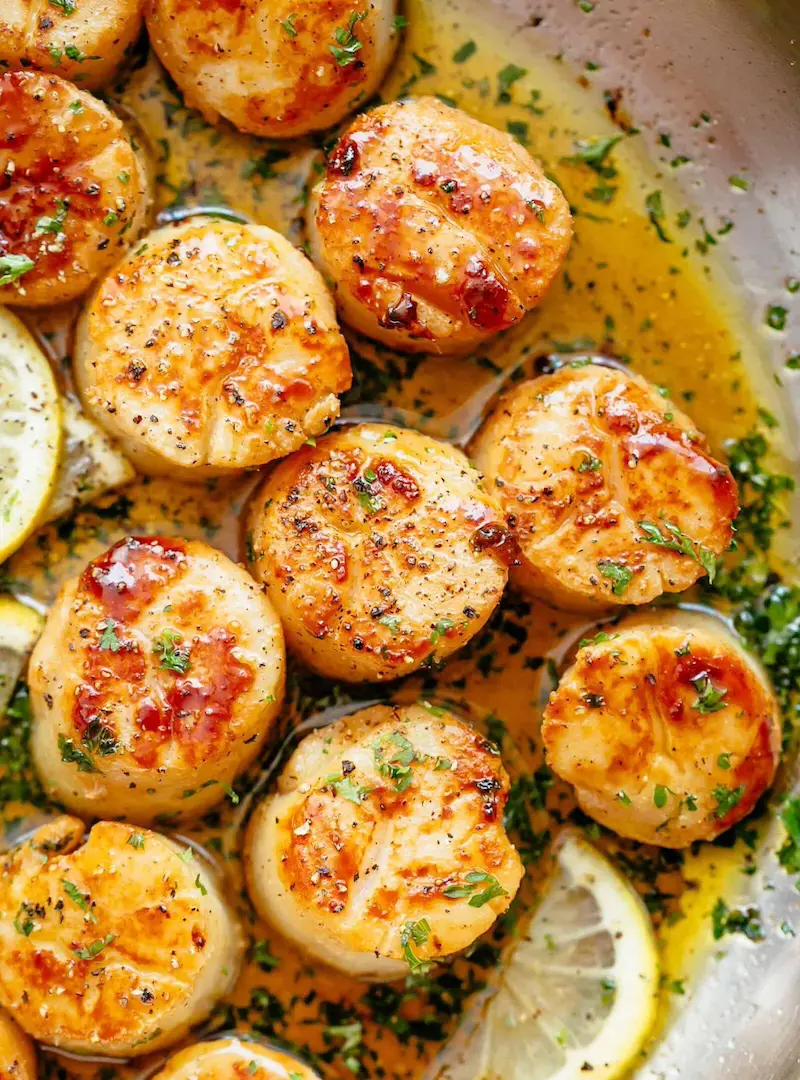
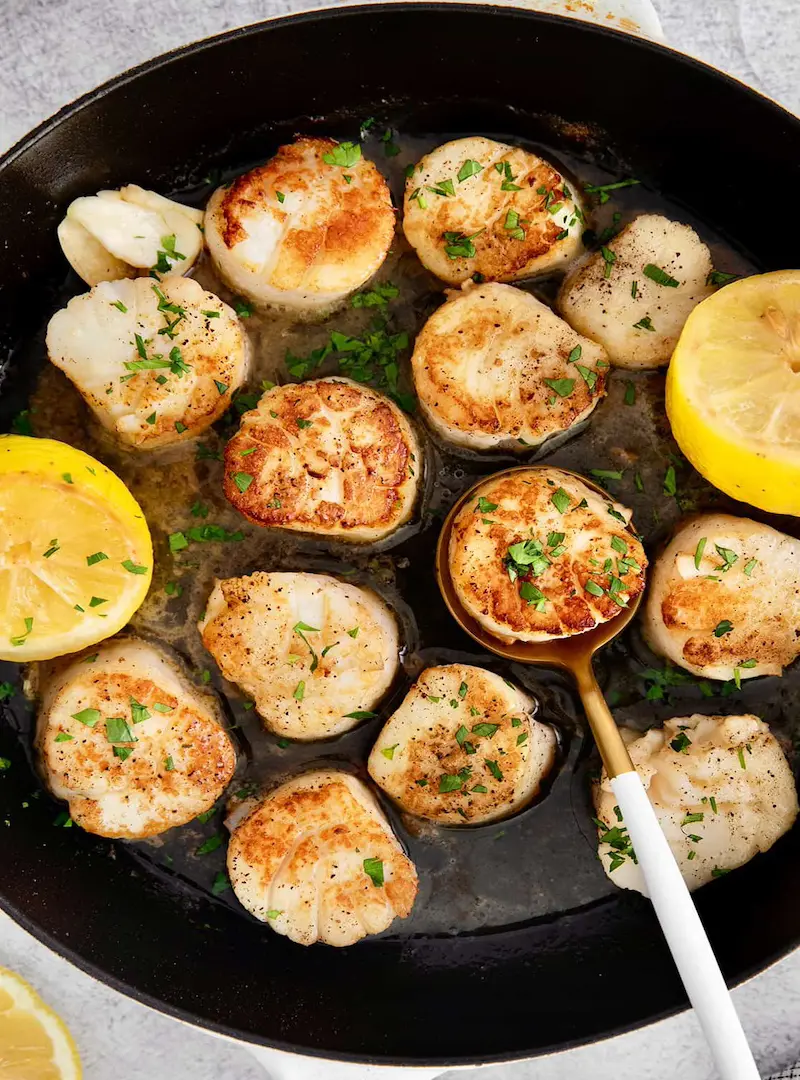
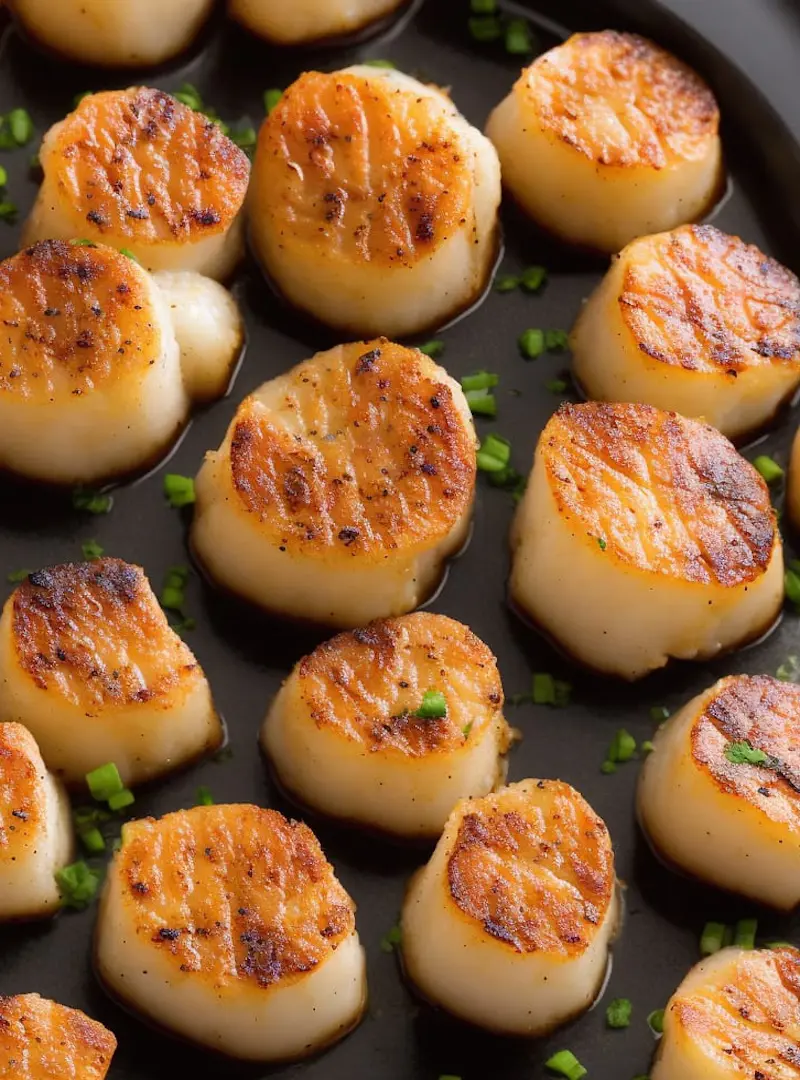
Pan-searing is a classic method that highlights its natural flavors. It's ideal for those who enjoy a crispy, flavorful crust contrasted with a soft, melt-in-your-mouth center. It’s a straightforward method that doesn’t require special equipment.
Ingredients
Scallops (12 sea scallops)
Oil or Butter (1-2tbsp)
Salt and Pepper to taste
Lemon (½, juiced)
Lemon Zest (1 tsp, optional)
Instructions
Heat a pan over medium-high heat for 2-3 minutes.
Add a small amount of oil or butter. Once the oil is shimmering, add the scallops and season with lemon juice, salt and pepper.
Cook for about 2-3 minutes per side, until a golden crust forms and the scallops are opaque in the center.
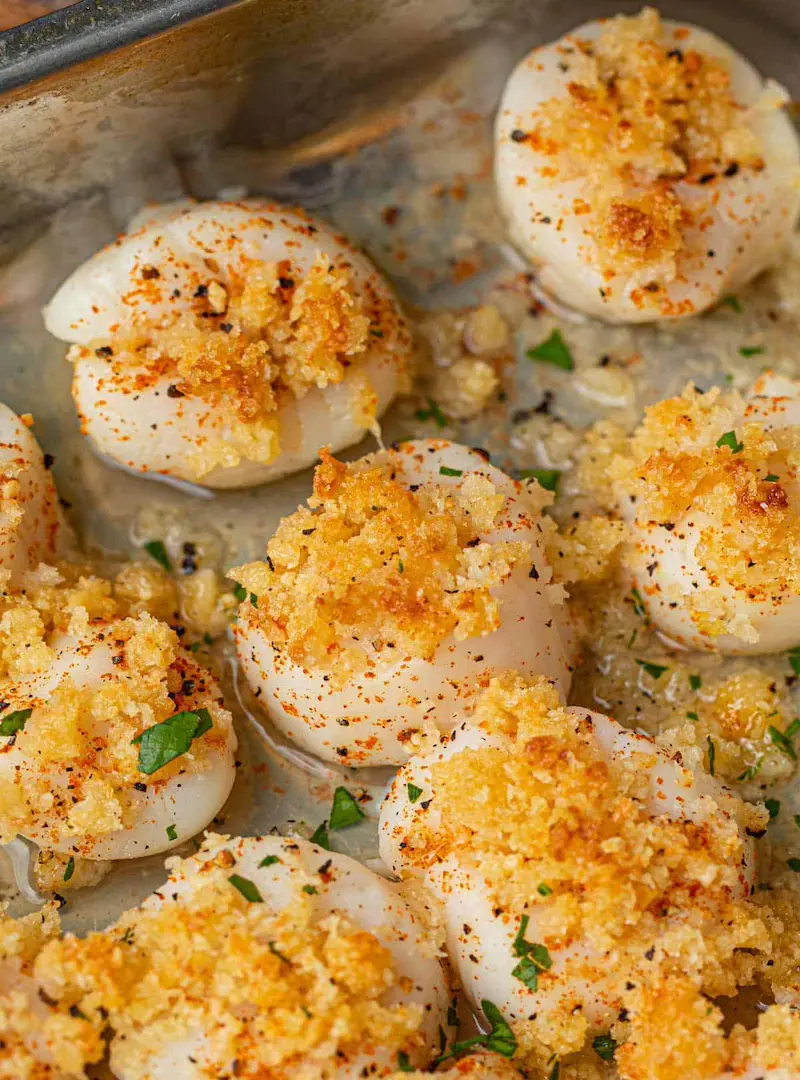
Baking scallops allows it to cook gently in the oven which preserves their tender texture and delicate flavor. The result is a golden crust with juicy interior and this technique is not only easy but also versatile, allowing you to experiment with various seasonings and toppings to suit your taste.
Ingredients
Bay Scallops (1 ½ lbs.)
Butter (4 tbsp)
Seasoned breadcrumbs (½ cup)
Parmesan Cheese (1/4 cup)
Garlic (3 cloves, minced)
Onion Powder (1 tsp)
Garlic Powder (1 tsp)
Paprika (1/2 tsp)
Dried Parsley (1/2 tsp)
Instructions
Preheat the oven to 375°F (190°C).
Pour melted butter into a baking dish and add scallops and spread them to form an even layer in a baking dish.
Top with a mixture of breadcrumbs, parmesan, garlic, and herbs, and bake for about 15-20 minutes, or until the scallops are cooked through and the topping is golden.
Broiling scallops is a fantastic way to achieve a quick and flavorful result with minimal effort. The high, direct heat from the broiler caramelizes the exterior of the scallops, creating a slightly crisped edge while keeping the interior tender and succulent and perfect for those who enjoy a hint of char and a burst of flavor.
Ingredients
Bay Scallops (1 ½ lbs.)
Oil or Butter ( 2tbsp)
Lemon Juice (2 tbsp)
Garlic Salt (1tbsp)
Instructions
Preheat the broiler to high heat.
Place scallops on a broiler pan, brush with oil or butter, sprinkle garlic salt, lemon juice and broil for about 2-4 minutes per side, until the tops are golden, and the scallops are cooked through.
Remove from the oven and serve with extra butter for dipping on the side if preferred.
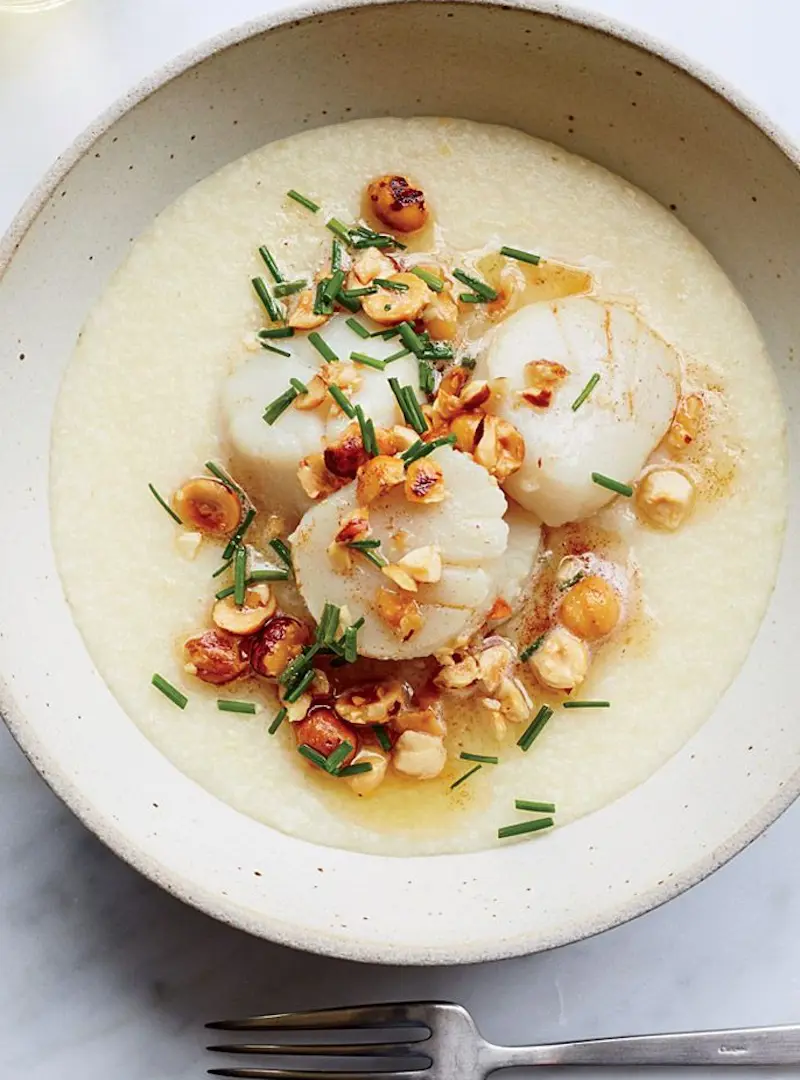
Poaching scallops is a gentle cooking method that enhances its natural flavor, ideal for those who prefer a light preparation. Poached scallops can be infused with an array of flavors by simmering them in different liquids such as fish stock or white wine.
Ingredients
Scallops (1lbs. sea scallops)
Fish stock or water (2 cups)
White wine (1/2 cup)
Salt and Pepper to taste
Butter (8-10 tbsp)
Bay leaf (1 leaf)
Lemon (1, sliced)
Thyme (1 sprig)
Instructions
Heat a pot of water or broth, add white wine, lemon slices, bay leaf, and thyme.
Bring to a simmer and gently add scallops and poach for about 2-4 minutes, or until opaque and cooked through.
Remove the scallops and serve with a drizzle of poaching liquid.
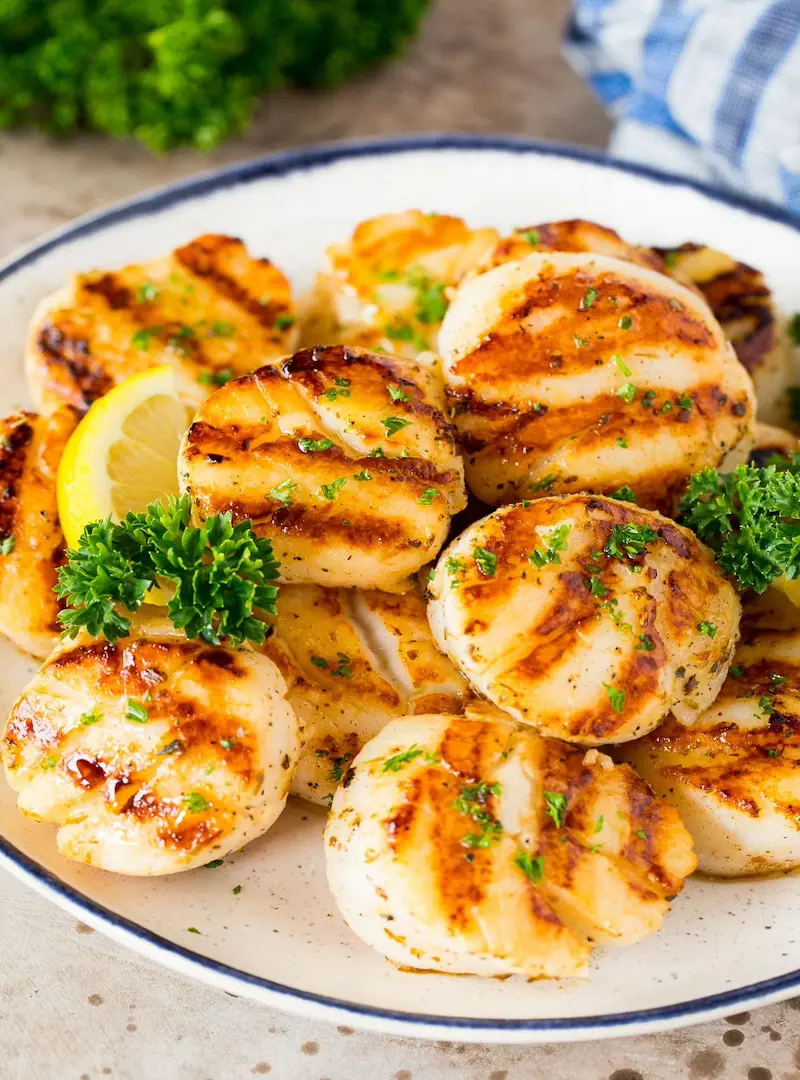
Grilling scallops gives it a delicious, charred taste and smokiness flavor. You can additionally marinate the scallops for extra depth of flavor. This method is perfect for outdoor cooking.
Ingredients
Scallops (1 ½ lbs sea scallops)
Butter (1/2- 2/3 cup)
Onions (2/3 cup, chopped)
Garlic (3-4 cloves, chopped)
Lemon (1/4 cup, freshly squeezed)
Salt to taste
Fresh Parsley (1/3 cup, chopped)
Instructions
Preheat the grill to medium-high heat and lightly grease the surface.
Melt butter in another saucepan over medium heat. Cook onions and garlic until they are soft and translucent, for about 5 minutes.
Remove from heat and add freshly squeezed lemon juice and salt to taste.
Place your clean and dry scallops in a bowl and toss with the butter mixture. Let the scallops marinate for a little while.
Thread scallops onto skewers, use a wire grill basket or place them directly on the grill grates.
Grill for about 2-3 minutes per side, until grill marks appear, and the scallops are opaque.
Pan-roasting scallops combines the best of both worlds: the quick sear of pan-frying and the gentle finishing of oven roasting. This method allows you to achieve a rich, golden crust on the scallops while finishing them in the oven to ensure even cooking throughout. Pan-roasting is versatile and allows you to incorporate additional flavors, such as garlic and herbs, enriching the dish with aromatic and savory notes.
Ingredients
Scallops (1 lbs. sea scallops)
Oil (2tbsp)
Butter (2tbsp)
Garlic (3 cloves, minced)
Salt and pepper to taste
Thyme leaves ( 1tbsp, fresh or 1tsp, dried)
White wine (1/4 cup, optional)
Fresh Lemon (wedged, for serving)
Instructions
Sear scallops in a hot oven-safe skillet with oil over medium-high heat for about 2 minutes per side, or until a golden-brown crust is formed. Remove from pan and set aside.
In the same skillet, add butter and other aromatics like minced garlic and thyme and cook for about 30 seconds until fragrant.
Return the scallops to the skillet and spoon the garlic-thyme butter over them. If using white wine, add it to the pan and allow it to reduce for 1-2 minutes.
Transfer the skillet to a preheated oven at 375°F (190°C) to roast for an additional 2-4 minutes.
Remove from skillet and garnish with additional thyme if desired. Serve immediately with lemon wedges on the side.
When cooking scallops, it’s important to note that methods and timings may differ slightly for bay and sea scallops.
Cooking time for Pan seared Scallops
Cook Time: 4-6 minutes
Ensure the pan is hot enough to achieve a good sear without overcooking the scallops.
Cooking time for Baked Scallops
Cook Time: 15-20 minutes
Baking is a hands-off method ideal for cooking larger quantities and infusing scallops with additional flavors.
Cooking time for Broiled Scallops
Cook Time: 4-8 minutes
Broiling works well for creating a crisp exterior while keeping the interior tender. You can experiment with different marinades and toppings for added flavor.
Cooking time for Poached Scallops
Cook Time: 2-4 minutes
Poaching is a gentle cooking method that helps retain moisture and is ideal for creating delicate dishes.
Cooking time for Grilled Scallops
Cook Time: 4-6 minutes
Grilling adds a smoky flavor and is perfect for summer meals.
Cooking time for Pan-roasting Scallops
Cook Time: 8-10 minutes
Pan-roasting combines searing and baking, offering a perfect balance of crispy exterior and tender interior
Tips for Perfect Scallops
Cooking scallops can be straightforward, but several common mistakes can affect their texture and flavor. Here’s a guide to help you avoid these mistakes:
Not drying the scallops properly – Scallops need to be patted dry with paper towel before cooking. For drawing out more moisture, you can salt them and then let it rest on a paper towel-lined plate, uncovered, in the fridge from 10 minutes to overnight. The longer they sit, the more moisture will be drawn out.
Overcrowding the pan – Placing too many scallops in the pan at once will release moisture and steam instead of searing.
Using insufficient heat – Scallops require a hot pan to achieve a nice sear. Make sure to preheat your pan thoroughly before adding scallops.
Cooking too long – Scallops cook very quickly and can become tough and rubbery when overcooked. Depending on their size, they usually only need 2-3 minutes per side.
Over flavoring – While scallops are versatile and can pair with various seasonings, its natural flavor can easily be overpowered.
How to Store Cooked Scallops
Cooked scallops can be stored in an airtight container or a tightly sealed plastic bag to prevent them from drying out and absorbing other odors. Place them in the refrigerator if you plan to eat them within 3-4 days.
For longer storage, you can freeze cooked scallops. Place them in a single layer on a baking sheet and freeze until solid. Once frozen, transfer them to a freezer-safe bag or airtight container. Properly frozen scallops can last up to 2-3 months. Be sure to label the container with the date for easy tracking.
To thaw frozen cooked scallops, transfer them to the refrigerator and allow them to thaw overnight. You could also use the defrost setting on your microwave, but this may affect its texture.
You can reheat cooked scallops in a skillet over low heat, in the oven, or using a microwave on a low setting.
Serving Suggestions
This elegant seafood can be served in a variety of delightful ways, each enhancing their delicate flavor and tender texture. For an impressive dining experience, you can elevate any dish by complimenting it with this is simple ingredient.
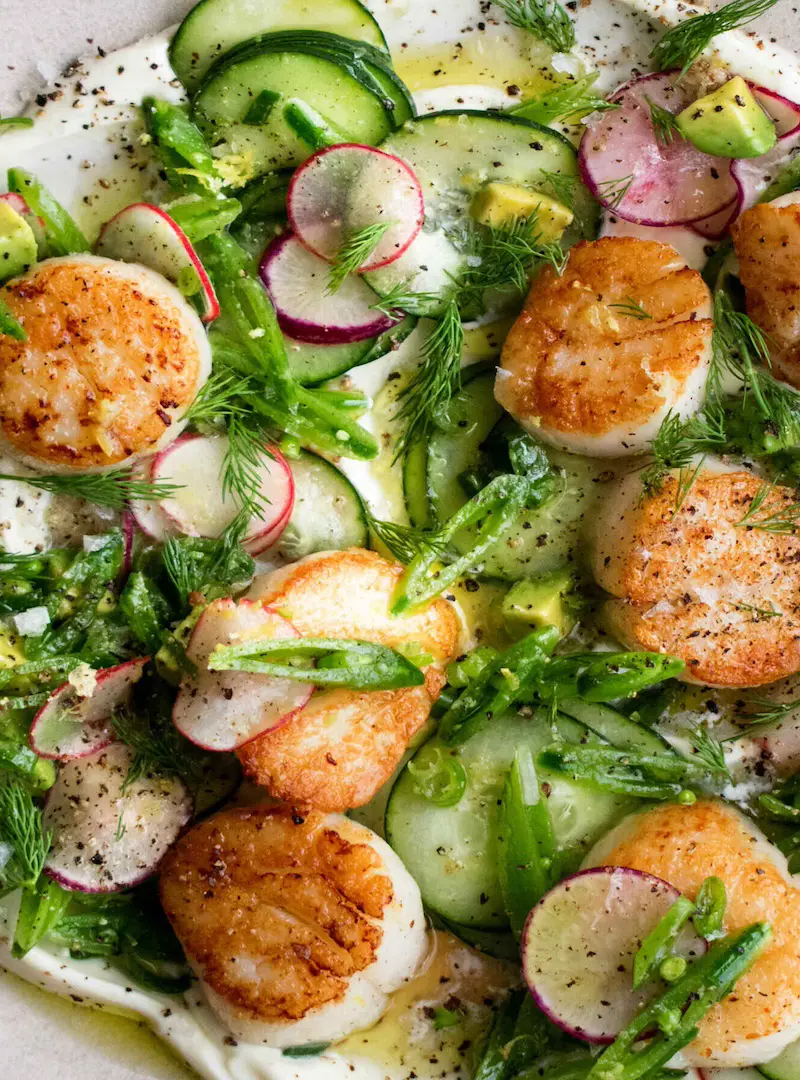
A fresh way to enjoy this delicacy, you can sear or grill the scallops and combine them with greens of your choice and add complementary ingredients such as cherry tomatoes, avocados and citrus elements that balance the flavors and textures.
Scallop Alfredo
This creamy and indulgent dish that combines the classic alfredo sauce with cooked pasta and topped with seared scallops.
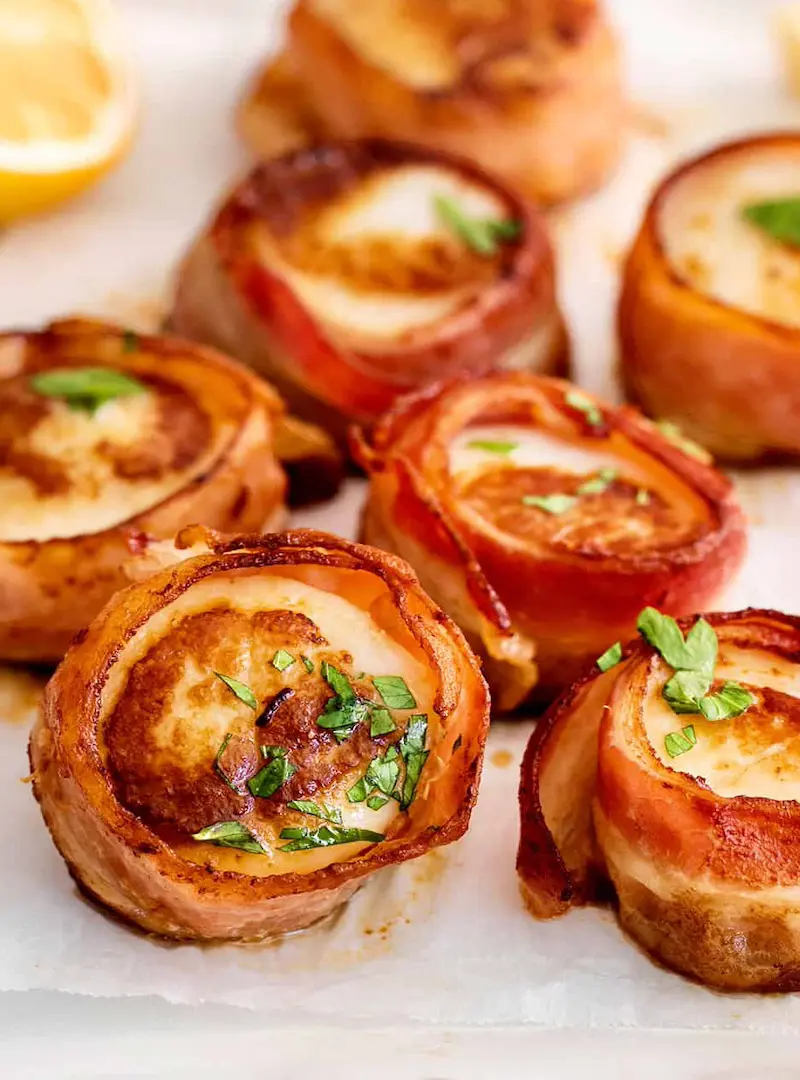
A crowd favourite that combines sweet, tender flavor of scallops with the smoky, salty taste of bacon. The key is to bake the scallops at a high enough temperature to crisp the bacon, but not for too long, to prevent the delicate scallops from overcooking and becoming tough.
Keeping the bacon slices thin and wrapping them tightly around the scallops also helps ensure even cooking.
Author
Editor
Elias Mansour
Elias Mansour is an experienced Sous Chef currently working at Hilton Ras Al Khaimah in the UAE, where he brings his culinary expertise and passion for fine dining to create exceptional experiences for guests. Elias’s culinary journey includes serving as Junior Sous Chef at the prestigious Jumeirah Hotel at Etihad Towers and working at Al Habtoor Grand Resort, Autograph Collection, where he further refined his skills and leadership in the kitchen.
Originally from Abu Dhabi, Elias studied at The National Evangelical School - Hims, which laid the foundation for his career in hospitality. Now based in Dubai, Elias continues to contribute to the culinary scene in the UAE, using his global experience to innovate and lead in the kitchen.