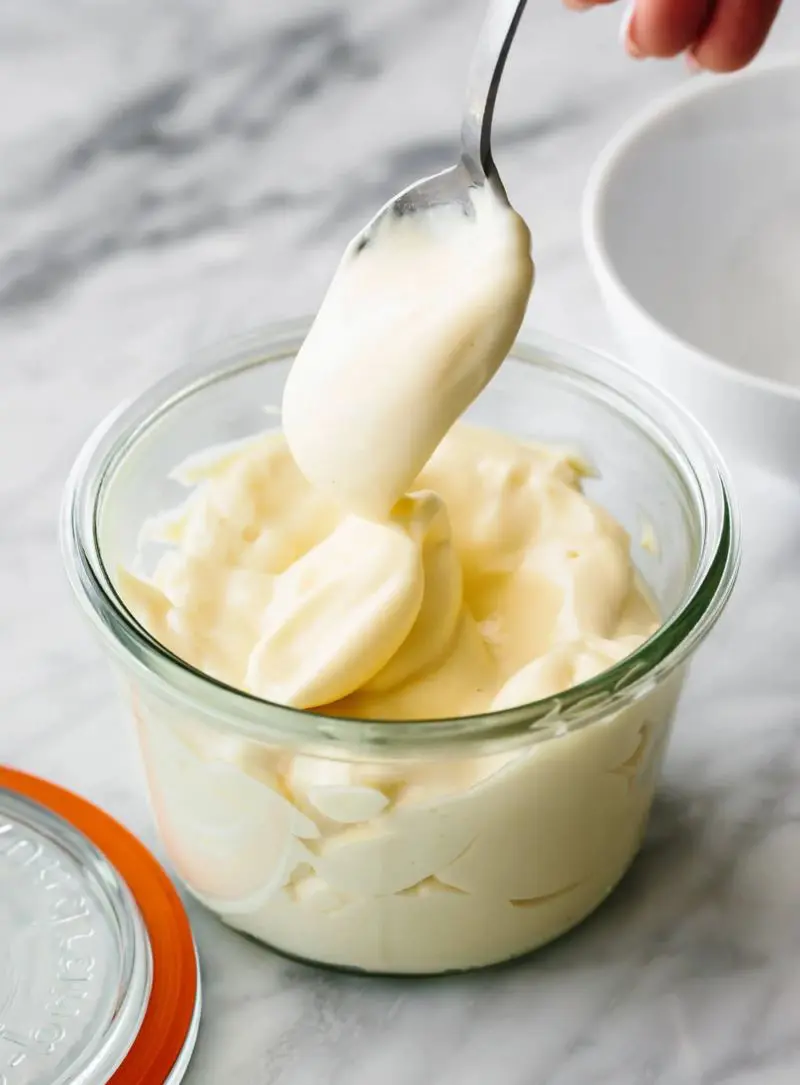
Have you ever made mayonnaise at home? If not, try to make it at home! Once you do, you will forget all about the store-bought alternatives. It's easier than you might think, and let's not forget - fresh just tastes a lot better!
The beauty of making it yourself is that you do not have to worry about any questionable components lurking inside. You know precisely what goes into it. So, what are you waiting for? Give it a try!
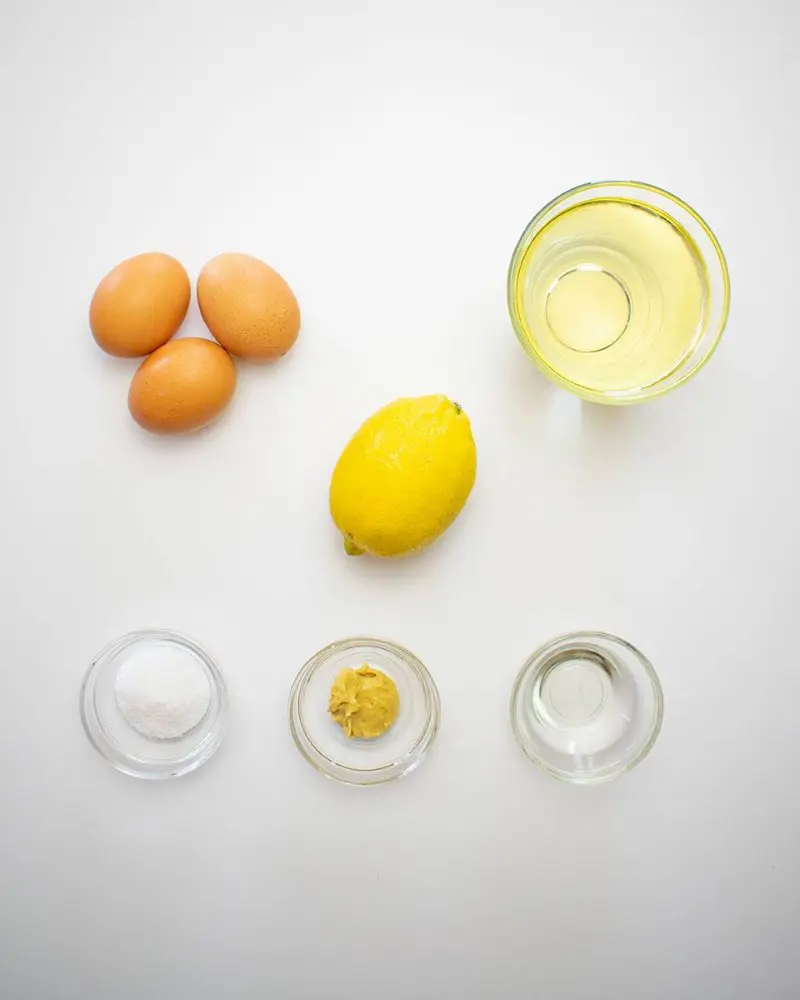
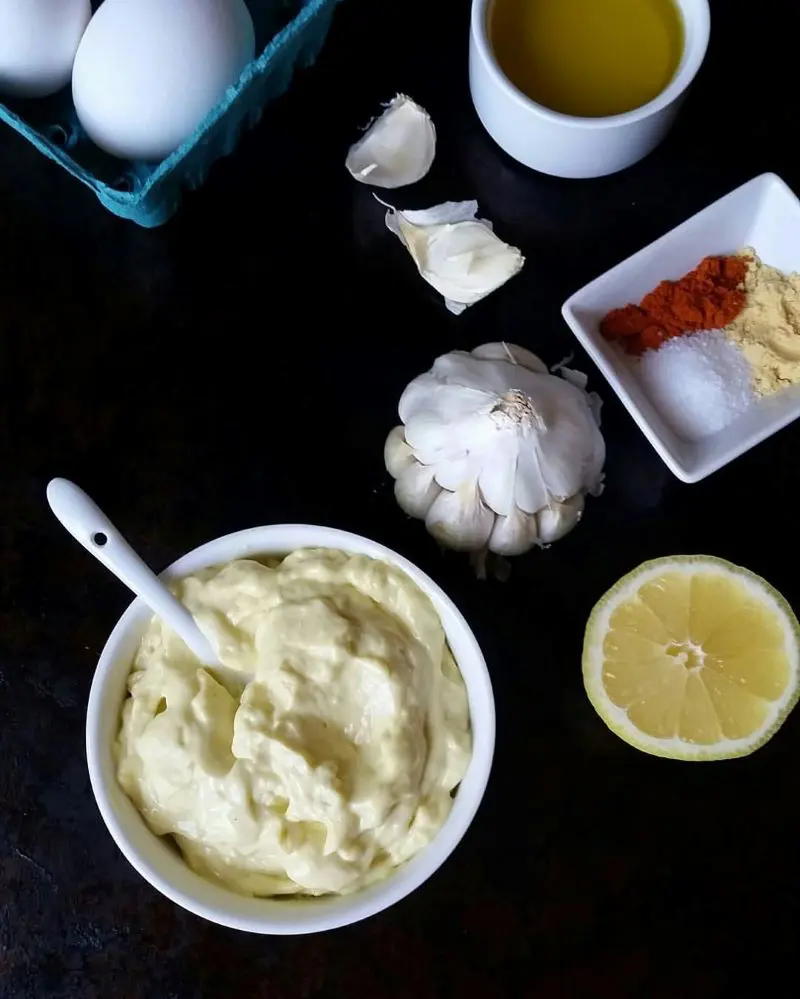
Now that you’re making mayonnaise yourself, it is essential to recognize what you need. This condiment is an emulsion of six simple, fresh components that you possibly have already got in your pantry.
While looking for organic products is typically recommended, the choice is yours. Here’s a list of ingredients for mayonnaise:
Eggs: Some home cooks incorporate only the yolk but for this recipe let us include the whole egg. This gives a slightly lighter consistency. If you are worried about raw egg consumption, use pasteurized eggs.
Lemon Juice: The juice of newly squeezed lemons is best as it has the best taste. If you have got a bottled version, that is fine too.
Vinegar: Use white wine vinegar; if not, substitute it with any light-colored vinegar. These acids help stabilize the mixture.
Salt: Just a pinch of salt is enough to enhance the overall taste. It acts as a seasoning agent that balances the richness of the oil and the acidity of the vinegar or lemon juice.
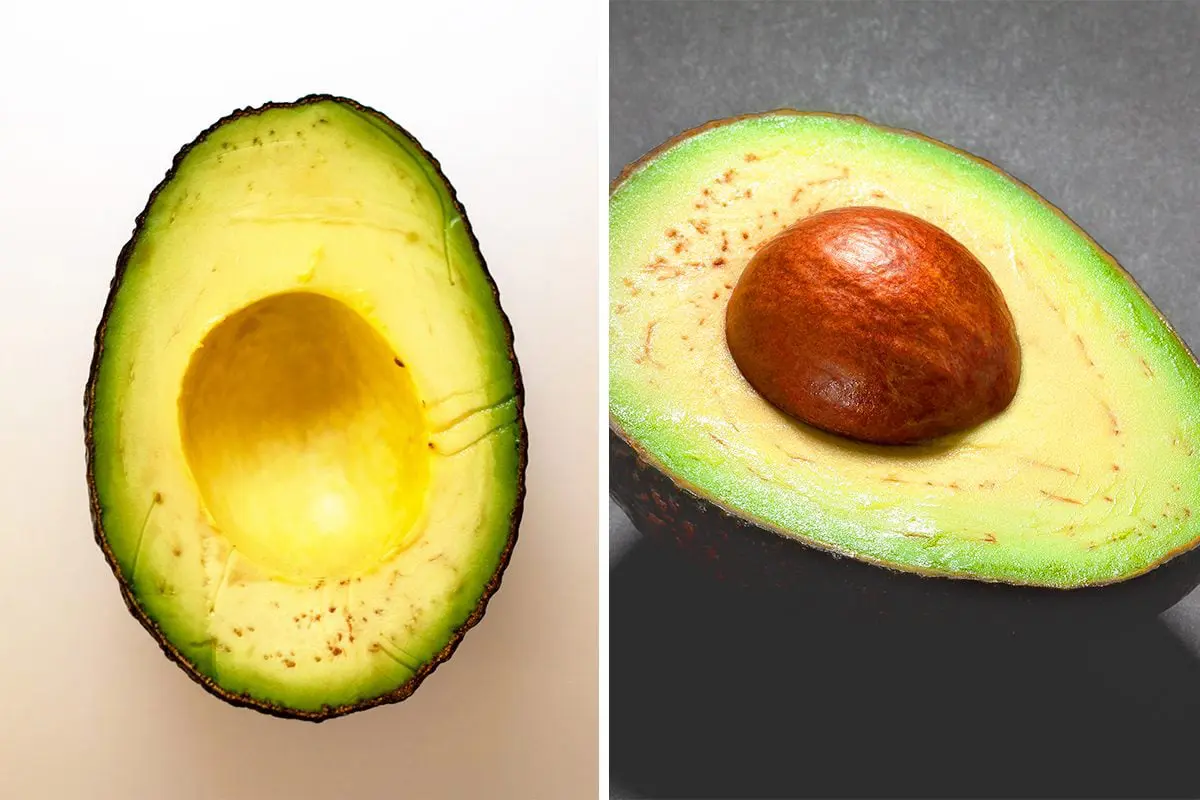
Neutral Flavored Oil: You can use any oil that is mild in taste. Since the condiment calls for quite a bit of oil, it is critical that you like the flavor of the oil you choose. Avocado oil is a favored choice, but if not, try vegetable or canola oil. Sunflower oil also works well.
Mustard (Optional): Not everyone loves the flavor of mustard, but when making homemade mayonnaise, it serves as a magical component. It adds flavor and helps keep the condiment stable. If you're not a fan, skip it.
Tools Required
Whisk, Blender, Food Processor, or Immersion Blender
Measuring Cups
Spoons
Mixing Bowl or Jar
Spatula
How Do You Make Mayonnaise
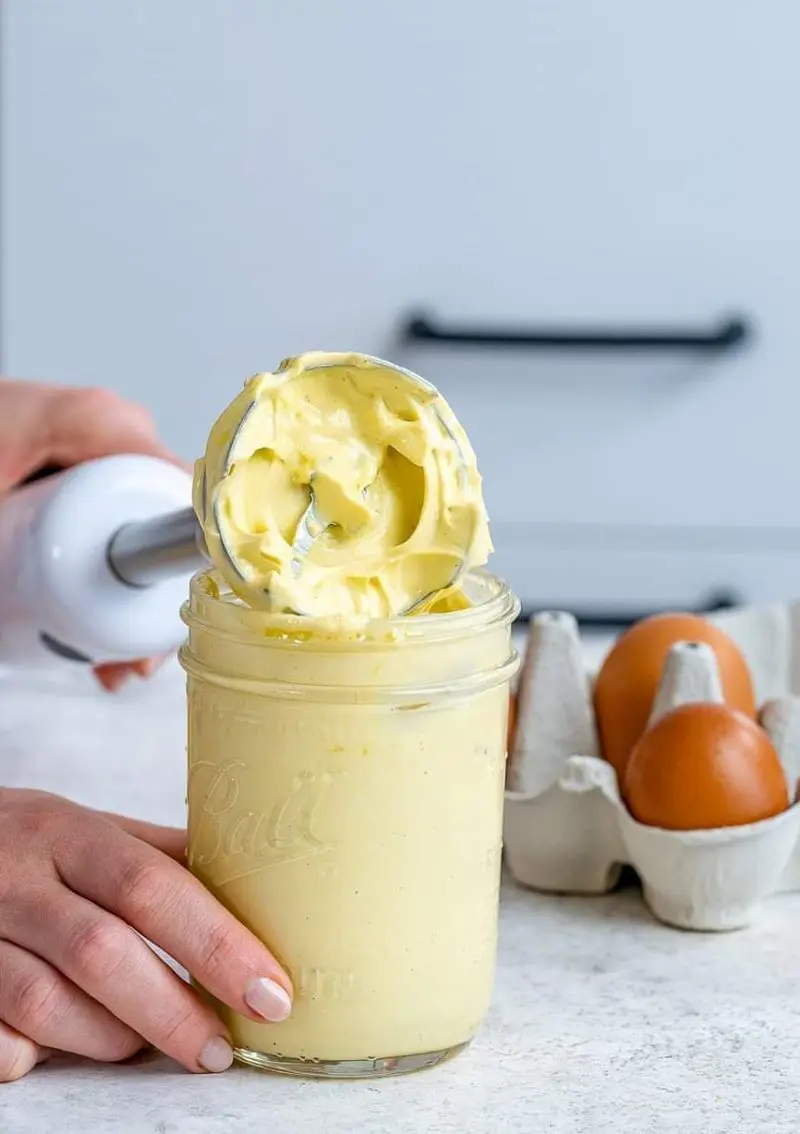
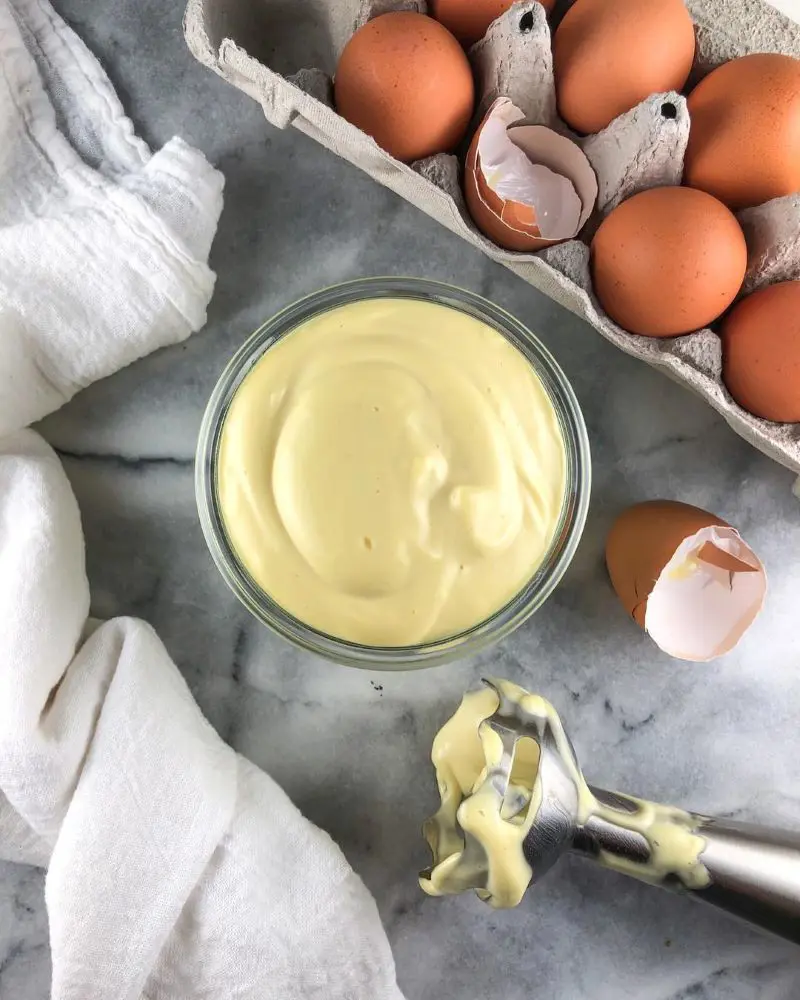
The key to this foolproof mayo recipe is the device used - a reliable immersion blender (also called a stick blender). And if you use the container that comes with the device, you're ready.
Ingredients
1 whole egg
1 cup avocado oil
¼ tsp Dijon mustard
1 tsp white wine vinegar
½ tbsp lemon juice
¼ tsp sea salt
Instructions
Step 1: Combine
Pour egg, lemon juice, vinegar, mustard, and salt into the jar that came with your immersion. These ingredients will be added up as the base of your mayonnaise.
Step 2: Add the Oil
Pour your oil slowly over the other ingredients. You'll see the oil floating on top - this is normal. Let everything sit quietly for about 1 minute so the egg can settle at the bottom.
Step 3: Start Blending
Next, put your immersion blender all the way to the bottom of the jar. Keep it there, touching the bottom. Turn it on and hold it still. In about 20 seconds, you'll see mayonnaise starting to form at the bottom.
Once you see thick, white mayonnaise forming at the bottom, slowly move your blender up and down. This pulls in the remaining oil and mixes everything smoothly.
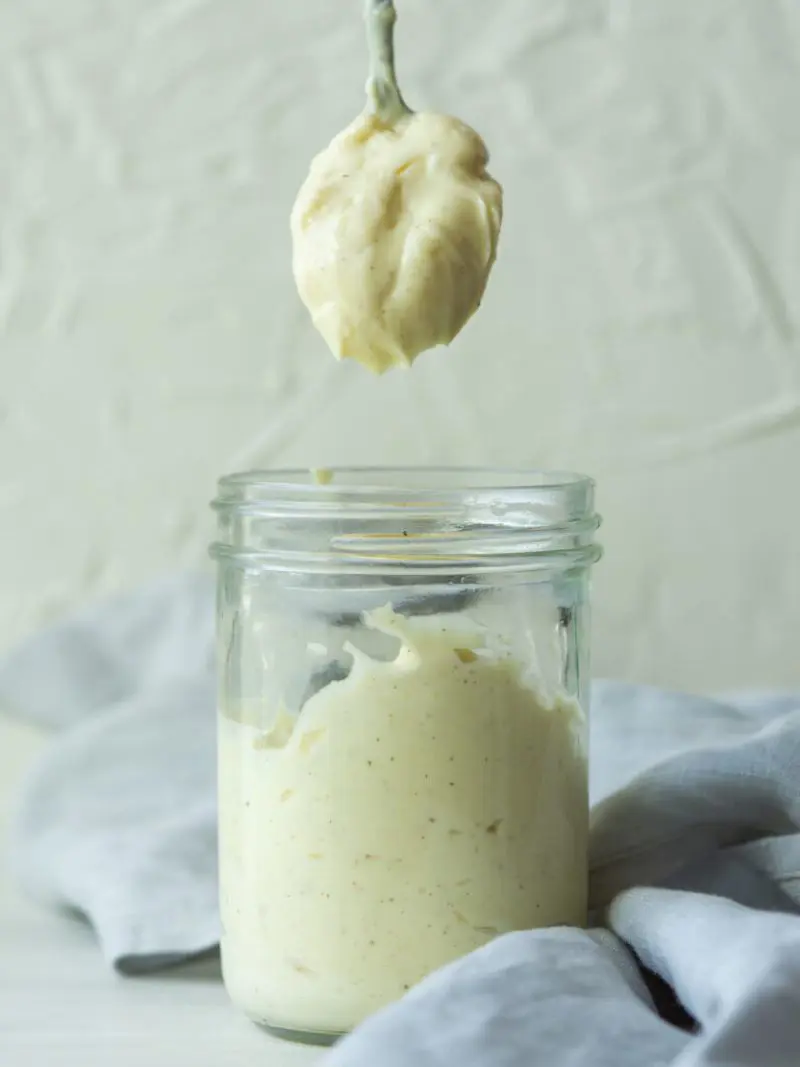
Keep going until all the oil is mixed in and your mayonnaise looks thick and creamy.
Step 5: Give It a Final Stir
Turn off the blender. Use a spoon to give your mayonnaise a good stir, making sure everything is well-mixed.
Step 6: Store It
Spoon your fresh mayonnaise into a clean container with a tight lid. Put it in the refrigerator right away.
Don't have an immersion blender? Let’s admit it, not everyone has one. So, what should you do in such times? Firstly, do not panic - there are different approaches.
A food processor can be reachable in those conditions. If not, you can always use the traditional whisking method.
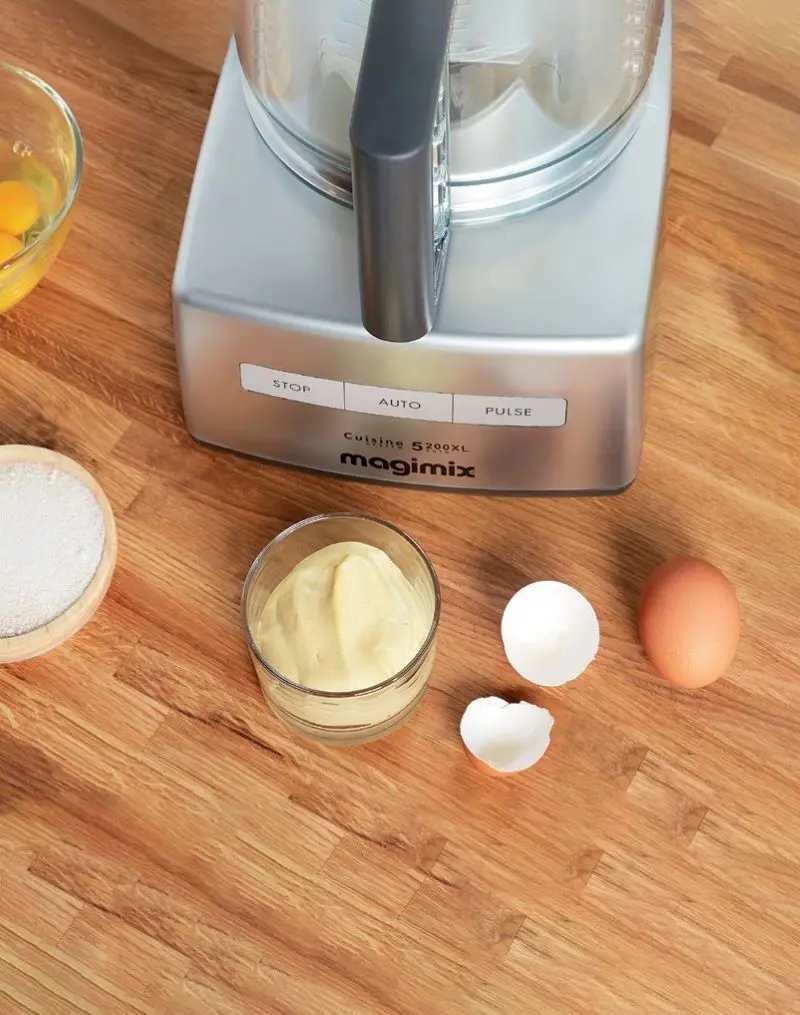
The best alternative to an immersion blender is the food processor. It's a famous choice among home chefs because it calls for minimum manual effort. What’s more? It has a larger capacity so that you can effortlessly double or triple the recipe.
It's perfect for gatherings or meal prep. When used properly, you may reap constant results with less mess. After all, who wishes more cleanup?
Instructions:
It's best to use the smaller bowl attachment of your food processor. This ensures proper contact between ingredients and the blade. Skip this step only if you're making a larger batch.
Crack one fresh egg into the processor bowl and run the processor for 20 seconds. This breaks up the egg properly.
Add mustard, vinegar, and salt. Process for another 20 seconds. Then, stop and scrape down the sides of the bowl with a spatula.
Turn the processor on and add oil in tiny drops (think: drop by drop). Continue this slow dropping until you've used about 1/4 cup of oil.
Watch for the mixture to start thickening. This slow start is crucial for proper emulsification.
Once the mixture looks thickened, switch to a very thin stream. Keep the processor running and pour slowly and steadily until all oil is used.
Scrape down the sides and bottom of the bowl. Process for 10 more seconds to ensure everything is well mixed.
Once done, taste and add more salt if needed. If too thin: slowly add more oil while the processor runs. If too thick: add 1-2 teaspoons of cold water.
Note: Is your food processor not working? Don't be sad! It's time to invest in a quality blender. The process may vary slightly. When using a blender, you usually add the oil slowly while blending to create a stable emulsion.
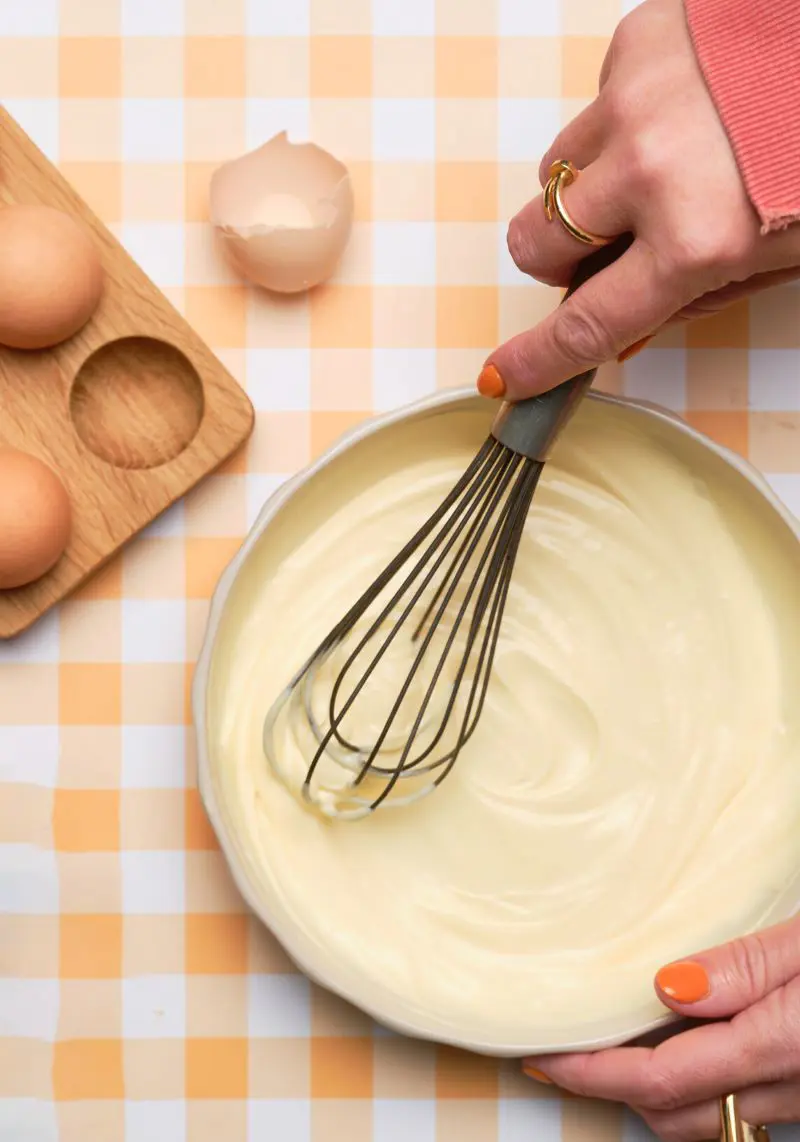
Just a whisk and a bowl, and you can create your mayo at home. It takes a bit more effort and time compared to other approaches, but it's perfect for those who enjoy hands-on methods and prefer control over the process.
With this method, you have greater control over the emulsion process - consider it an opportunity to develop your skills in the kitchen.
Instructions:
Place a humid kitchen towel below your bowl to keep it from sliding around while you whisk. This gives you higher control and makes whisking less difficult.
Crack your eggs and separate the yolks from the whites. Put the yolks in your blending bowl. Add the salt, pepper, and mustard (if using). Whisk these together until well combined.
This is the most important step! Add your oil literally drop by drop while whisking constantly. Start with just 4-5 drops, whisk well until fully mixed. Keep adding drops while whisking until you've used about 1/4 cup of oil.
Once your mixture starts looking thick and pale, you can start adding the oil in a thin, steady stream while whisking. Keep whisking constantly - don't stop! The mixture will get thicker as you go.
When you've used about half the oil, add your vinegar or lemon juice. This thins out the mixture a bit.
Keep whisking and adding the remaining oil in a steady stream until it's all mixed in. Your mayonnaise should now be thick enough that your whisk leaves clear trails through it.
Taste your mayonnaise and adjust any seasoning if needed.
Always pick room temperature eggs - cold eggs will give you thin, runny mayo. Take eggs out of the fridge 30-60 minutes before making the condiment.
Avoid extra virgin olive oil for your first few attempts - it can make mayo too strong and bitter.
Make sure your oil is fresh - old oil can make mayo taste rancid.
Use fresh-squeezed lemon juice - bottled juice gives an odd, artificial taste.
If adopting the traditional approach, keep your whisk moving in the same direction for better emulsion.
Use good quality sea salt, not table salt. Add tiny pinches at a time - mayo gets salty quickly.
Make mayo in a room that's not too hot or cold. Don't make mayo right next to a hot stove.
Use a large, sturdy whisk - not a small one. For bowl, pick the one that's deeper than it is wide. Have all tools completely dry before starting.
Common Problems And Troubleshooting
It is fun to make mayonnaise at home, though there are always some difficulties we encounter. And understanding the possible setbacks can help you reach that desired consistency.
Issues with mixing and flavor changes can happen, but knowing what to look for helps a lot. This guide will discuss common problems you might face when making mayonnaise and give you simple ways to fix them.
Mayo Won't Thicken
Your mayo stays liquid and refuses to become thick and creamy. This usually happens because you're adding oil too quickly - it's probably the most common mayo mistake.
The good news? It's totally fixable! Start fresh with a new room-temperature egg yolk in a clean bowl.
Then, take your failed mayo mixture and slowly whisk it into this new yolk, drop by drop. Think of it as a second chance - your mayo will usually come together beautifully this time.
Mayo Breaks (Separates)
You're whisking along, everything looks fine, and suddenly your smooth mixture turns into a curdled mess, with oil floating around the edges. Don't panic! Broken mayo is actually one of the easiest problems to fix.
Grab a fresh egg yolk, put it in a clean bowl, and slowly whisk your broken mayo into it. The fresh yolk helps everything come back together.
Sometimes you'll end up with mayo that's so thick it's practically butter. In such cases, just add a few drops of warm water or a tiny splash of lemon juice and whisk it in.
Keep stirring and including tiny amounts of liquid till you get the thickness you need. A little liquid goes a long way.
Mayo Tastes Too Oily
If your mayo tastes like plain oil instead of having that nice, balanced flavor, it needs seasoning to shine! Add a splash of lemon juice or vinegar - this brightens everything up.
A bit of mustard provides intensity, and do not forget salt - it's amazing how much difference a pinch of salt makes. Keep tasting and adjusting till it is just right.
When to Start Over
Sometimes it's better to start fresh if:
The mayo is completely separated and won't come together
Thanks to its neutral taste, homemade mayonnaise is the perfect starting point for creating various flavored versions. Here are some ideas to try:
Garlic Mayo (Aioli): Crush 3-4 garlic cloves into regular mayo. That's it! Perfect for fries, sandwiches, or as a dip for roasted vegetables. Want it fancy? Roast the garlic first for a sweeter, mellower taste.
Herb Mayo: Mix in finely chopped fresh herbs -basil for Italian sandwiches, dill for fish, cilantro and lime for Mexican dishes, tarragon for chicken.
Siicy Versions: Stir in some chopped chipotle in adobo sauce for a smoky heat. Add sriracha to taste for a bold kick. For a tangy spice, mix in prepared horseradish.
Citrus Mayo: Got plain mayo and need something special fast? Include lemon, lime, or orange juice.
International Flavors:
Japanese: Mix in wasabi and soy sauce
Korean: Add gochujang (red chili paste)
Mediterranean: Mix in pesto
Mexican: Add lime and chopped jalapenos
Remember: Add flavors gradually - you can't take them out! These are starting points. Trust your taste buds and experiment.
Keeping a batch of mayonnaise in the fridge makes meal prep a breeze. It goes nicely spread thick on a BLT sandwich – it totally transforms the sandwich. The creamy mayo mixed with crispy bacon and juicy tomatoes? Perfect!
When you're feeling spicy, mix in some Sriracha sauce for an awesome burger spread or fry dip. Many people love turning it into a garlic spread by mixing in fresh crushed garlic and herbs - it makes the best garlic bread you'll ever taste.
Your potato salad will never be the same as soon as you use homemade mayo - simply toss in some crunchy celery and onions, and watch everybody ask for seconds at your subsequent cookout.
On busy days, whip up a quick pasta salad by mixing mayo with a touch of lemon juice and whatever veggies you've got in the refrigerator.
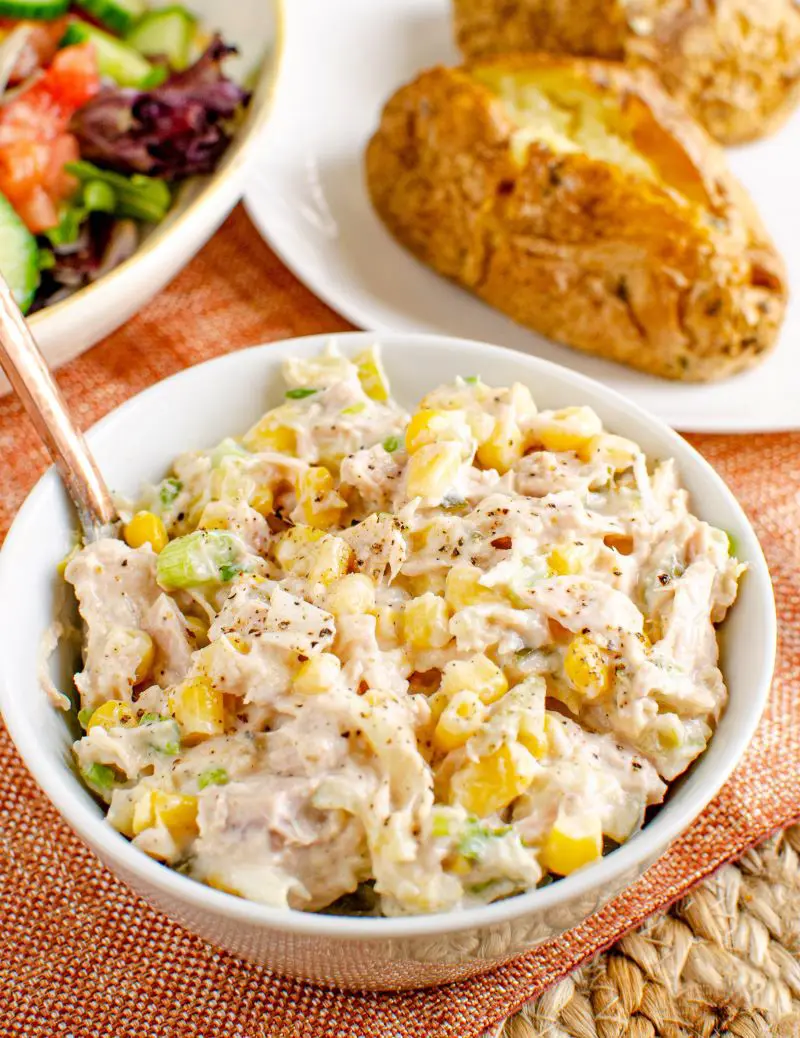
For lunch, it makes top-notch tuna salad sandwiches - just blend it together with your tuna, throw in some diced onions and celery, and you've got yourself a delicious meal.
Oh, and here's a favorite trick: mix in some fresh dill and use it as a veggie dip - even picky eaters come back for extra! Once you start the use of self-made mayo, you may wonder how you ever lived without it.
That jar of creamy homemade mayonnaise sitting in your kitchen needs proper storage to stay fresh and safe to eat. Start by pouring your fresh mayo into a clean glass jar with an airtight lid.
Pop it straight into your fridge's middle shelf, where the temperature stays most consistent, and avoid storing it in the door where temperatures fluctuate too much. Your mayo will stay fresh for up to a week when stored properly.
Before using it, let the jar sit out for about 30 minutes to take the chill off - this helps the mayo spread more easily.
Always use clean utensils when scooping it out, and never leave the jar sitting at room temperature for more than 2 hours.
Keep an eye out for warning signs like odd smells, mold, or separation that won't mix back together. If you spot any of these, it's time to say goodbye to that batch and whip up a fresh one.
Author
Editor
Shyam Babu Shah
Shyam Babu Shah is a passionate Indian chef with a rich background in the culinary arts. With experience working at prestigious hotels like Grand Hyatt Doha, Grand Hyatt Kuala Lumpur, and Hyatt Regency Kathmandu, Shyam has honed his skills and developed a deep appreciation for diverse cuisines. He is currently working at the Grand Hyatt Jakarta, where he continues to perfect his craft and share his love for cooking.
Shyam's cooking philosophy is simple – his recipes are no secret, but if they inspire or help others, he considers it the greatest reward. His work is dedicated to guiding others in the kitchen with step-by-step recipes that bring joy and flavor to every meal. For him, the greatest payment is the Duas (blessings) from those he inspires.