Crab legs are tasty and that makes them something to look forward to whether fresh or what is left from the previous day. If reheated using the right technique, you will be able to get back their sweet taste and softness to make them seem as if they were freshly baked.
Oh, and of course, you can lift the flavor of your reheated crab legs even more with a dash of your favorite seasoning or a spoonful of melted butter. Thus, feel free not to throw those leftovers away and apply these tricks to eat them as if it’s your first time.
Why Reheat Crab Legs
Crab legs are a food that most individuals love to eat but do not always eat in one sitting. If you were privileged enough to have a seafood boat or you simply want to reheat the leftover crab legs you had on a special occasion, the good news is that it is very easy to do.
Here’s why reheating crab legs is a smart choice:
1. Convenience
Crab legs can be reheated easily and quickly and this method is preferred when one does not want to cook a meal afresh from the raw state. This is particularly beneficial if you are in a hurry but would prefer not to compromise on the quality of the dietary intake you get to have.
With this method, you don’t have to prepare the crab legs from raw and spend a time long in the kitchen preparing them but you can simply heat the leftovers in a matter of minutes and have a meal that is just delicious.
2. Reduce Food Waste
Seafood especially the crab's legs is costly and hence should be well utilized by making the most of them. When you reheat crab legs, you are assured that no cent of that expensive, sumptuous seafood gets washed down the drain.
This also assists you in saving a few bucks, and for many, avoiding wasting food helps them make better decisions in the current world.
3. Cost-Effective
Reheating leftover crab legs is a cheap way to enjoy this treat without going over budget, as purchasing new crab legs may be pricey. It helps you make the most of your meal budget, particularly if you've made a lot of food.
One excellent technique to maximize the value of your original seafood dinner investment is to reheat it.
4. Preserving Flavor and Texture
Reheating crab legs properly helps maintain their soft texture and subtle flavor. The sweet, mild flavor of crab meat is well-known, and it may be preserved by boiling it properly. You can get the same delicious flavor and satisfying texture from them whether you bake, grill, or steam them.
5. Quick and Easy Meal Option
Crab legs to be reheated satisfy a quick requirement of a fast meal without the need to compromise on quality. There is no need to spend a lot of time preparing dinner because with seafood you get your meals in a short time.
That makes reheating crab legs convenient for use during a busy weeknight or any time when one would not want to bother preparing the food.
6. Comfort and Indulgence
In many cases, crab legs are among the calorie-dense foods that give people a feeling of comfort and signal a kind of well-earned luxury. Imagining them allows you to have that comfort again, perhaps the following day when they could be reheated.
What makes re-warming a viable option for reheating seafood dishes is that either snapping open shells for the second time or peeling the shells apart for the second time is as enjoyable as it is the first time.
7. Versatility
Crab legs can be eaten when reprised on their own or included in other dishes, which makes them one of the favorable choices of foods. One may add the crab meat that has been reheated to a salad, on top of pasta or may use it as a pizza topping.
They also allow you to prepare new dishes using the leftovers and therefore, you have even more methods of eating them.
Best Ways to Reheat Crab Legs
Reheating crab legs properly ensures they retain their delicate texture and rich flavor. Doing it right means you can enjoy leftover crab legs without sacrificing quality. Here are the best methods to reheat crab legs effectively—take a look:
1. Steaming
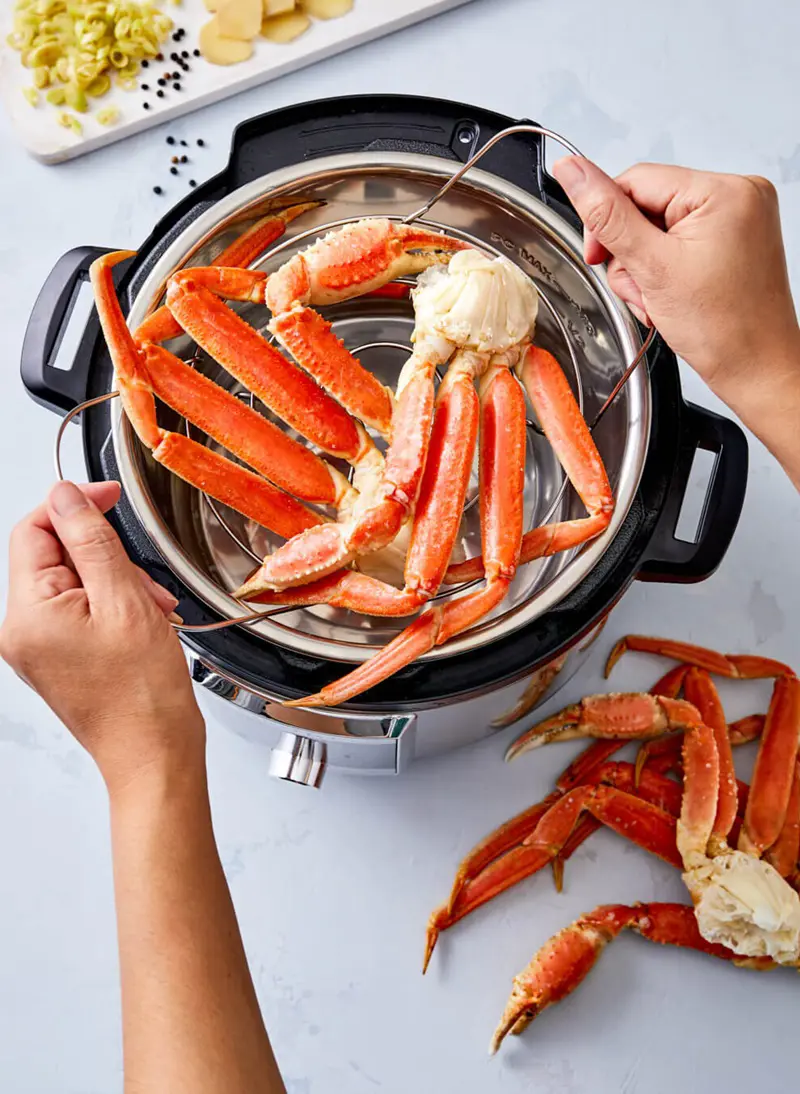
Among all the recommended methods in which crab legs should be reheated, steaming is considered the best since the crab meat can heat up without losing its moisture. Here’s how you do it:
What You Need:
Large pot with a lid
Steamer basket or colander
Water
Tongs
Steps:
Prepare the Pot: Start boiling in a big pot with about 2 inches of water. You need but a small amount – just enough to produce steam; and this requires a small fire.
Bring to a Boil: Put the pot on the stove and boil the water on it for about 10 minutes with medium to high heat.
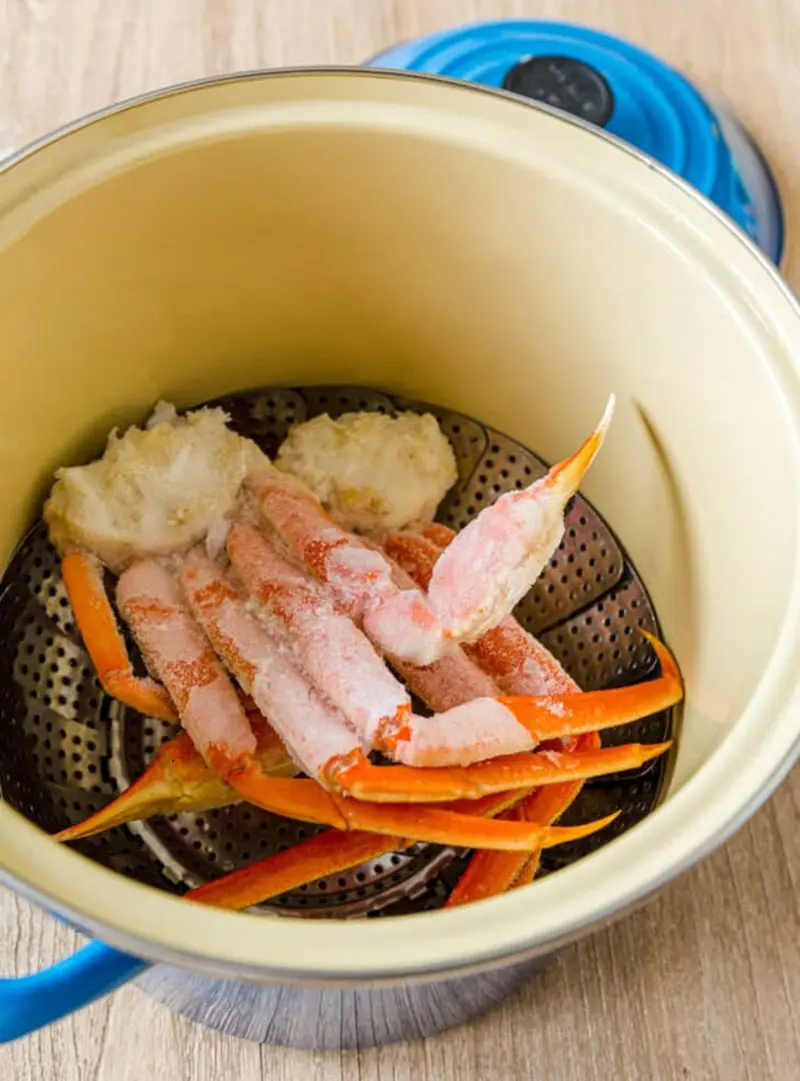
Position the Steamer Basket: Now, add a steamer basket or colander over the boiling water pot. This should however not come into contact with the water. The concept is to place the crab legs in such a way that they are not immersed in water but steamed at the same time.
Add the Crab Legs: Tongs are to be used to put the crab legs in the steamer basket. Just make sure that you don’t over-pack them—there should be some space in the basket so that the steam can freely circulate.
Cover and Steam: Make sure that the lid of the pot is placed well to ensure the steam produced is contained well. Steam crab legs for 5-7 minutes. They should be cooked to perfection through to the tender stage.
Check for Doneness: Gently lift the lid (caution steam burns) and look at the crab legs. It should be too hot to handle and easy to take without any hindrance. In case they are not piping hot, steam for another 1 to 2 minutes.
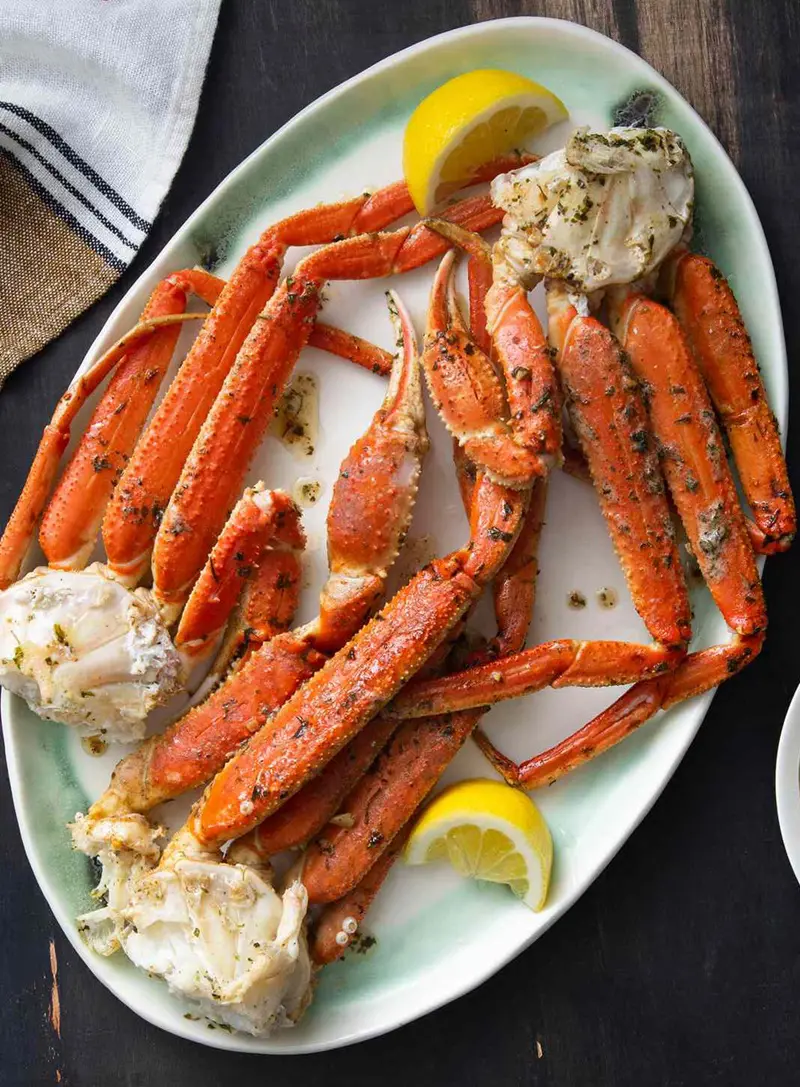
Serve: Using tongs remove the crab legs and serve instantly with butter and wedges of lemon.
Another method that can be quite useful if time is an issue, is boiling. It is fast, however, do not overcook the crab legs as they will turn out hard.
What You Need:
Large pot
Water
Salt (optional)
Lemon (optional)
Tongs
Steps:
Fill the Pot: This ought to be done in a large pot wherein water sufficient enough to immerse the crab legs is provided.
Flavor the Water (Optional): As for an optional extra boost, it is allowed to add a pinch of salt or even a few drops of lemon juice to the water. This step is only optional but if done, the flavor will be enhanced by a relative degree.
Bring to a Boil: Instead of using Firelight, water in the pot has to be placed on the cooktop, and boiled until it is rolling.
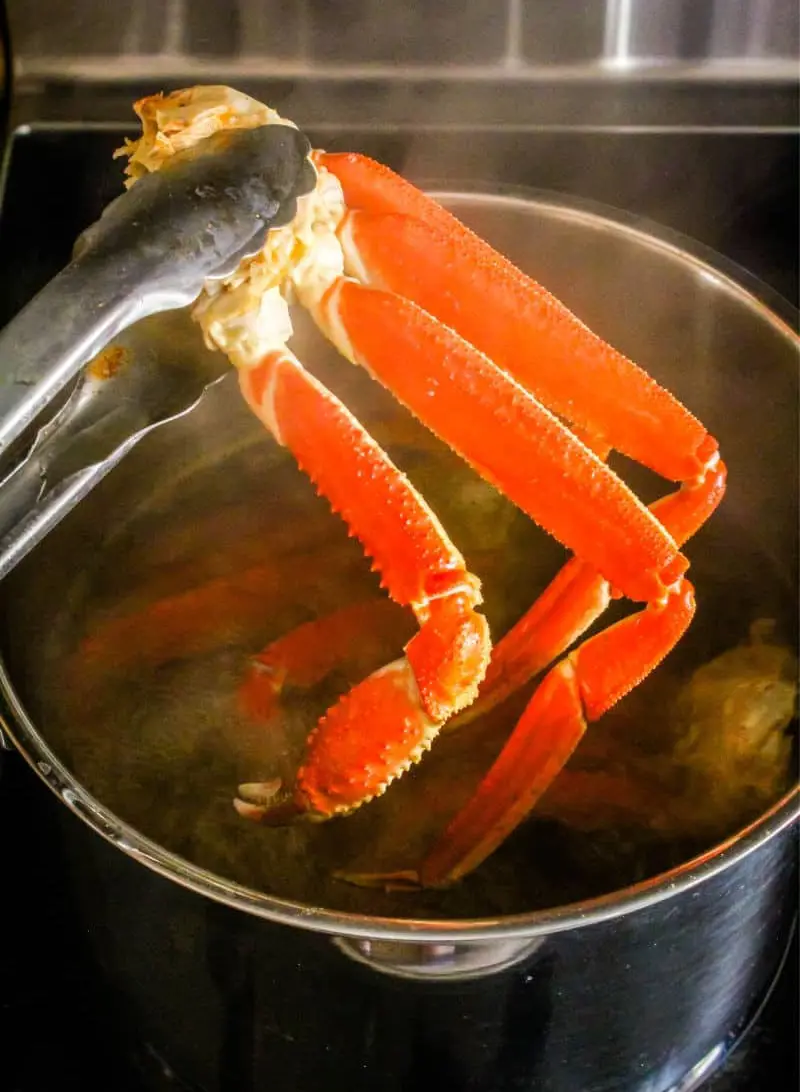
Add the Crab Legs: Slowly and gently put the crab legs into the water that is boiling. You can use tongs in order not to splash about, so that water does not get into your shoes, for example.
Boil for 5 Minutes: Submerge the crab legs in boiling water for approximately five minutes. That should be enough time for them to get hot through without getting them all tough.
Drain and Serve: Take the crab legs with tongs, set them aside on a plate, and drain any liquids. Serve immediately.
Boiling is perfect if you plan to add more seasoning such as garlic butter or herbs to the crab legs. This method also makes sure that heat is evenly spread all over the cooking surface.
What You Need:
Baking sheet
Aluminum foil
Oven
Butter (optional)
Garlic or herbs (optional)
Steps:
Preheat the Oven: Place the kitchen oven at 350 degrees Fahrenheit or 175 degrees Celsius.
Prepare the Crab Legs: Put the crab legs in a baking tray. If desired brush lightly with melted butter or garlic or your favorite herbs. Also if you prefer you can sprinkle onions on them.
Cover with Foil: Coat the baking sheet with aluminum foil. This in turn retains heat and moisture within allowing the crab legs not to dry out.
Bake for 7-10 Minutes: Put the baking sheet in the desired temperature and bake it for 7-10 minutes. Go to the crab legs after 7 minutes stirring to see whether they are already hot. If not, prolong the baking time at the same temperature for an additional 2-3 minutes.
Serve Hot: It is best eaten immediately after baking; thus, as soon as the signals indicated above have been given, the cake should be retrieved from the oven to be savored. These crab legs should be warm, with good flavor, and be ready to eat.
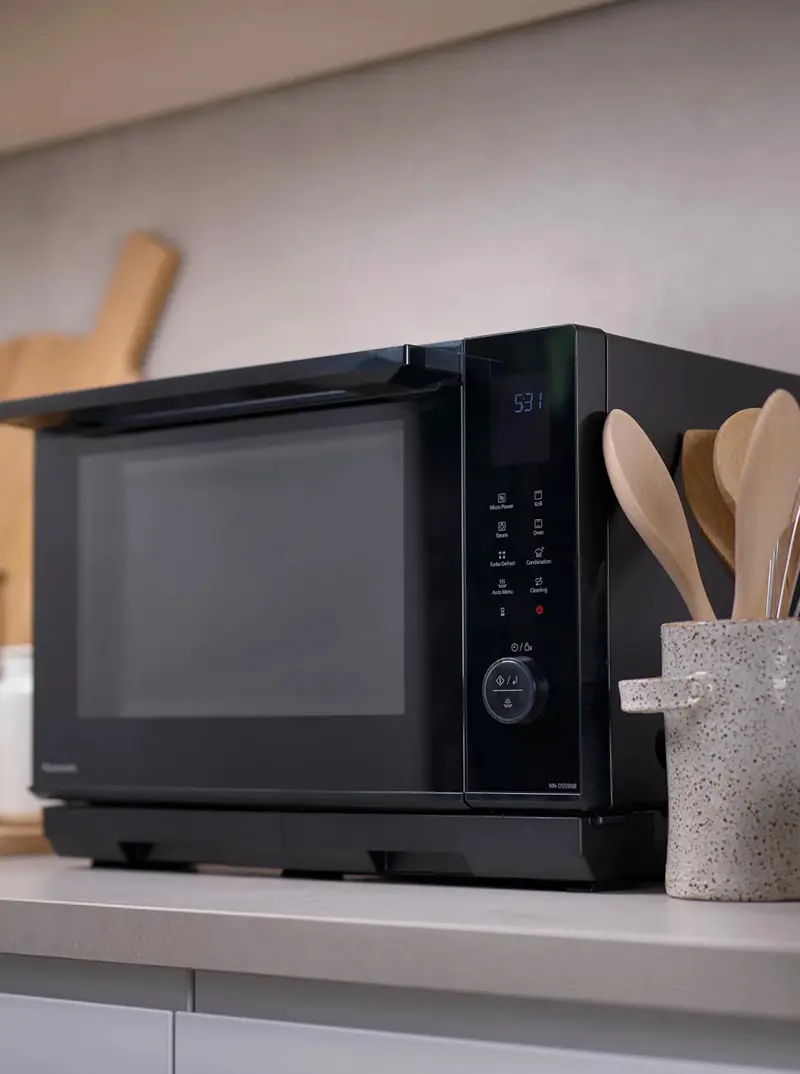
Microwave is the quickest technique of reheating the crab legs, though you need to be keen not to overheat them so as not to become dry and rubbery.
What You Need:
Microwave-safe dish
Damp paper towels
Plastic wrap (optional)
Steps:
Wrap the Crab Legs: Cover the crab legs with damp paper and place them in a plastic container or heavy-duty zip-lock bag. This step is especially important since it keeps the moisture as it prepares for the microwaving process.
Place in a Microwave-Safe Dish: Place the crab legs that are wrapped with the foil neatly in a microwave-safe plate. If you would like to lock even more steam, you can cover the dish with plastic wrap; however, you don’t have to if the towels are wet sufficiently.
Microwave on Medium Power: Place the crab legs in a microwave-safe dish and heat on medium for 2 to 3 minutes. Take out the crab legs after every minute and check the heat so that they do not harden.
Rest for a Minute: Allow it to stay inside the microwave for one more minute so that the heat will generate a balance.
Unwrap and Serve: Peel the crab legs gently and then serve immediately. They may be warm and moist, or cold and dry; They should be warm and moist.
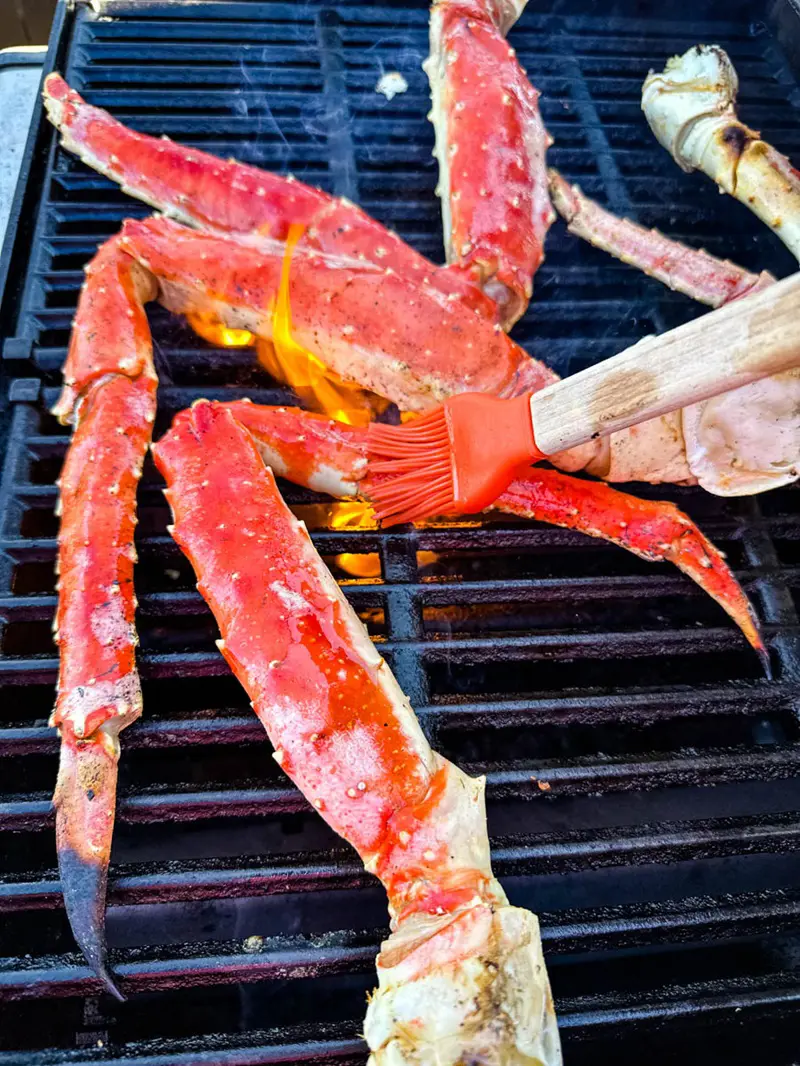
Whilst pan-frying is an acceptable way to cook the crab legs, grilling them turns them to have a smoky flavor that compliments their inherent sweetness. This method is particularly suitable when you intend to grill other commodities or when you wish to brown the meat.
What You Need:
Grill
Brush
Butter (optional)
Tongs
Steps:
Preheat the Grill: Preheat your grill to medium-high heat.
Prepare the Crab Legs: Rub the crab legs with the melted butter while having a gentle motion. They can also be seasoned with a little old bay or any seafood seasoning if desired.
Grill for 5 Minutes Per Side: To do this ensure that the crab legs do not touch each other arrange them directly on the grill grates. It is recommended that the peaches be grilled for about five minutes turning them over after every five minutes. The crab legs should be nearly black and should have nice grill lines on them and should also be hot.
Serve Immediately: To serve use tongs to transfer the crab legs from the grill and serve while hot. The smoky flavor will only enhance the food you have prepared and it is safe to consume.
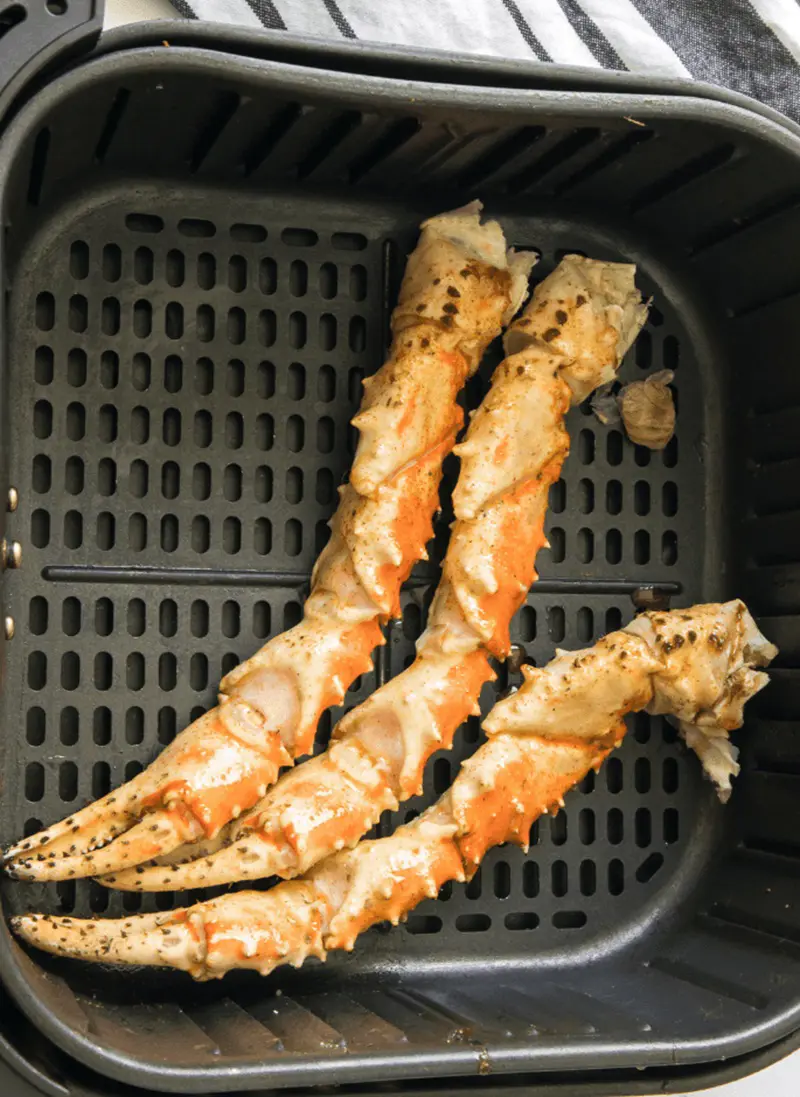
Air frying is an ideal way if you are looking forward to reheating the crab legs and to some extend making the shells crispy. Here’s how to do it:
What You Need:
Air fryer
Olive oil or melted butter (optional)
Tongs
Steps:
Preheat the Air Fryer: To bake the meatloaf, preheat your air fryer to about 350 degrees Fahrenheit or 175 degrees Celsius for about 3-5 minutes. Preheating helps to ensure that the crab legs are done right from the word go without having to turn them severely for the other side to cook.
Prepare the Crab Legs: It is also not necessary to coat the crab legs with a lot of olive oil or butter, only a very thin layer will help the crab legs retain their moisture as well as add to their flavor. It is not mandatory to have this step but it could be quite useful and professional to have.
Arrange in the Air Fryer: The crab legs should be positioned on the surface of the air fryer basket with no overcrowding. Be sure that they are not touching each other slightly so that there could be a space where the air flows through them during heating.
Air Fry for 3-5 Minutes: Air fry the crab legs for 3-5 minutes. Stoke them halfway through to confirm they are radiating heat uniformly. If they are not yet sufficiently warm, cook them for another one-minute intervals until they turn sufficiently warm.
Serve Immediately: After that, take the crab legs out of the air fryer using tongs, and you can consume it immediately.
Here are some useful tips to ensure your reheated crab legs turn out just as delicious and succulent as when they were first cooked:
1. Don’t Overcook
Crab legs are oven-baked or boiled, with your task being to merely ‘warm up’ the product. Its overcooking leads to a dry and stringy texture and most importantly the fibers of the meat make it tough.
It is advisable to heat for shorter durations, and this is particularly important if one is using conditions such as the microwave or air frying.
2. Add Moisture
Since freezing makes the crab legs dry, add a little moisture when reheating them. One can confine them in moist paper towels and microwave them, steam them, or you can brush them with butter or oil to keep them moist.
3. Season as You Reheat
Denser Vegetables – to improve taste bring some seasonings to reheat the vegetable with, for instance, lemon juice, garlic butter, or Old Bay seasoning at the end. This will assist to rejuvenate and enhance the natural sugars connected with crab meat.
4. Check Temperature
The crab legs should be rewarmed only until thoroughly hot throughout the entire length of the legs. It is, however, advisable to check the internal temperature of the crab legs using a thermometer—about 145°F (63°C) to give the best experience.
5. Avoid Repeated Reheating
To experience the best of its texture and taste, crab legs should only be reheated once. Exposing the food can multiple times result in a rubbery texture as well as loss of flavor.
6. Serve Hot
Crab legs are most delicious when eaten shortly after they have been reheated and hence ideally should be consumed hot. Make your side dishes and sauces early or at least half an hour before you reheat them so you can enjoy them.
Author
Editor
Ranaj Ramakrishnan
Ranaj Ramakrishnan is a highly skilled and accomplished Chef, currently serving as the Head Chef at Inhabit Restaurant. With a rich career spanning prestigious hotels and resorts, Ranaj has held key culinary positions such as Sous Chef at Café de l'Esplanade, Executive Sous Chef at Fly High Kochi, and Sous Chef at Niraamaya Retreats and The Leela Kovalam, A Raviz Hotel. His earlier experience includes working at Jumeirah at Saadiyat Island Resort, Bulldozer Group Dubai, and Conrad Abu Dhabi Etihad Towers, where he refined his skills and leadership abilities in world-class kitchens.
Ranaj’s culinary journey began after his education at St. Joseph's High School, Mathilakam, and has taken him through a variety of international and Indian establishments. His passion for fine dining and attention to detail have established him as a respected figure in the hospitality industry.
Based in Thrissur, India, and originally from Koolimuttam, Ranaj continues to inspire and lead with his innovative approach to cooking and commitment to excellence in every dish.